9th U.S. Military Strikes in the Caribbean — This Time 3 Alleged Smugglers Dead Taking Death Toll to 41
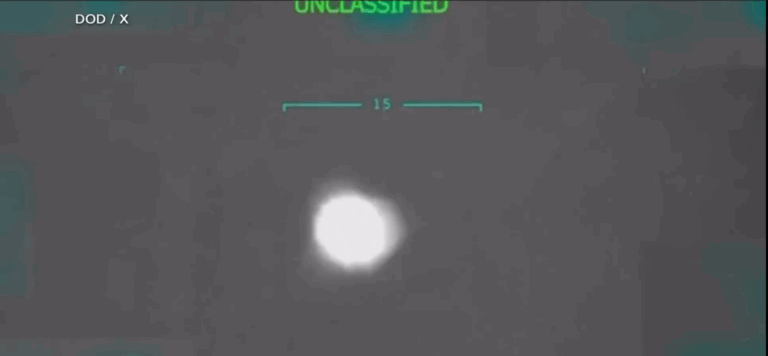
Another boat. Another U.S. military strikes in the Caribbean. The United States Department of Defense (DoD) says this time they killed three people aboard a vessel in the Caribbean Sea, allegedly engaged in narcotics trafficking to the U.S. The Pentagon confirmed the operation in a statement to Reuters, saying the strike targeted a vessel “engaged in narcotics trafficking in international waters” — the latest escalation in what Washington now calls an armed conflict with cartels, bringing naval firepower into our region, and yes, that means the Caribbean, which includes our waters, is now a war theatre.
The Latest Military Strikes in the Caribbean in Short
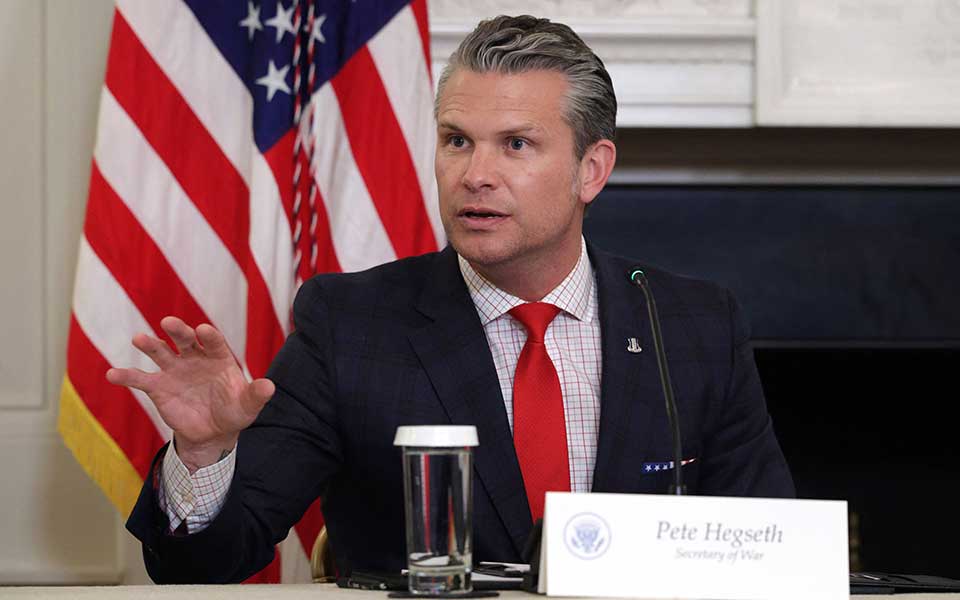
- Date: Announced November 2, 2025 by U.S. Defense Secretary Pete Hegseth.
- Location: Caribbean Sea, in international waters on a vessel the U.S. claims was smuggling narcotics along a known route.
- Result: Three people killed, no U.S. casualties.
- Legal claim: The vessel was operated by a U.S.-designated terrorist organisation, according to the U.S. government, although which one hasn’t been publicly named.
- Earlier, we reported on the fourth U.S. strike that hit a vessel in these same waters, a move that had island governments watching nervously as tensions flared.
Why This Matters to Trinidad & Tobago
We might be a small island, but the ripple effects of this strike cross our waters:
- Proximity: The vessel was operating in the Caribbean, not some far-off ocean. That means our shipping lanes, coastlines, and maritime traffic are closer to this than we like.
- Escalation: Since early September, the U.S. military has conducted at least 15 lethal strikes in the Caribbean and eastern Pacific, killing at least 64 people aboard suspected vessels.
- Legal & diplomatic shadow: The U.S. is framing these attacks as part of a war-style campaign against drug cartels — that shifts how we think of it: from law enforcement to military operations.
- Risk of spillover: If big ships, aircraft carriers and drone operations are coming this way, our authorities and citizens should be asking: How protected are our interests and our waters?
What the U.S. Says — And What’s Still Missing
Official U.S. version:
“We found a vessel on a known narcotics route, the crew were narco-terrorists, we struck them — done.” — Defense Secretary Hegseth.
What’s less clear:
- Which group was targeted? The U.S. said “terrorist organisation” but didn’t name it.
- What was the precise evidence that the vessel posed an immediate threat? Critics argue that using military force in international waters raises big legal questions.
- Were any besides the three militants aboard? What about captives, civilians, crew? The U.S. hasn’t released full details.
What This Means for Our Region
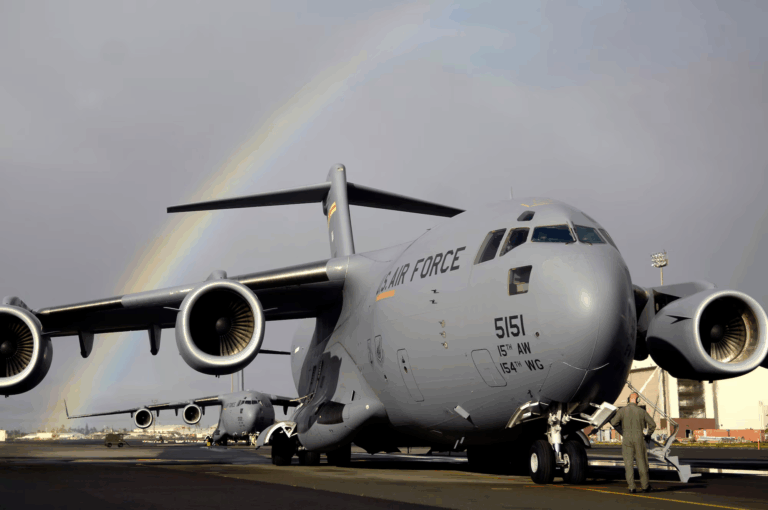
- The Caribbean route is now becoming embedded in military strategy, not just police operations. The presence of big carrier strike groups and warships confirms this.
- Countries like Trinidad & Tobago may face requests or pressure to cooperate, host assets, provide basing or logistics. Some neighbours already getting radar-equipment asks.
- If the U.S. treats drug trafficking as “armed conflict,” then our sea becomes theatre—and our people could become exposed in ways we haven’t seen before.
- Public transparency needed: if ships are being bombed near our waters, we deserve a full account, not just bullet points on social media.
TriniLulz Verdict
This isn’t just a headline about big powers playing war games.
It’s about how our region is becoming part of the battlefield.
We deserve caution, not complacency. We deserve accountability, not secrecy.
If a small boat can be blown up without full explanation, we need to ask: Who’s watching our sea? When does “program” become “pattern”?
Because the question isn’t if this affects us — it’s how directly.
This story is part of our wider Caribbean Geopolitics & Global Affairs coverage. Explore the full hub for regional security updates, diplomacy, migration, energy politics, and deeper analysis of how global power plays shape Caribbean realities.