Yellow Iz the Code Goes Foreign: Makamillion St Lucia Campaign and the New Caribbean Political Bacchanal
A Viral Clip Turns a Councillor Into a Caribbean Conversation
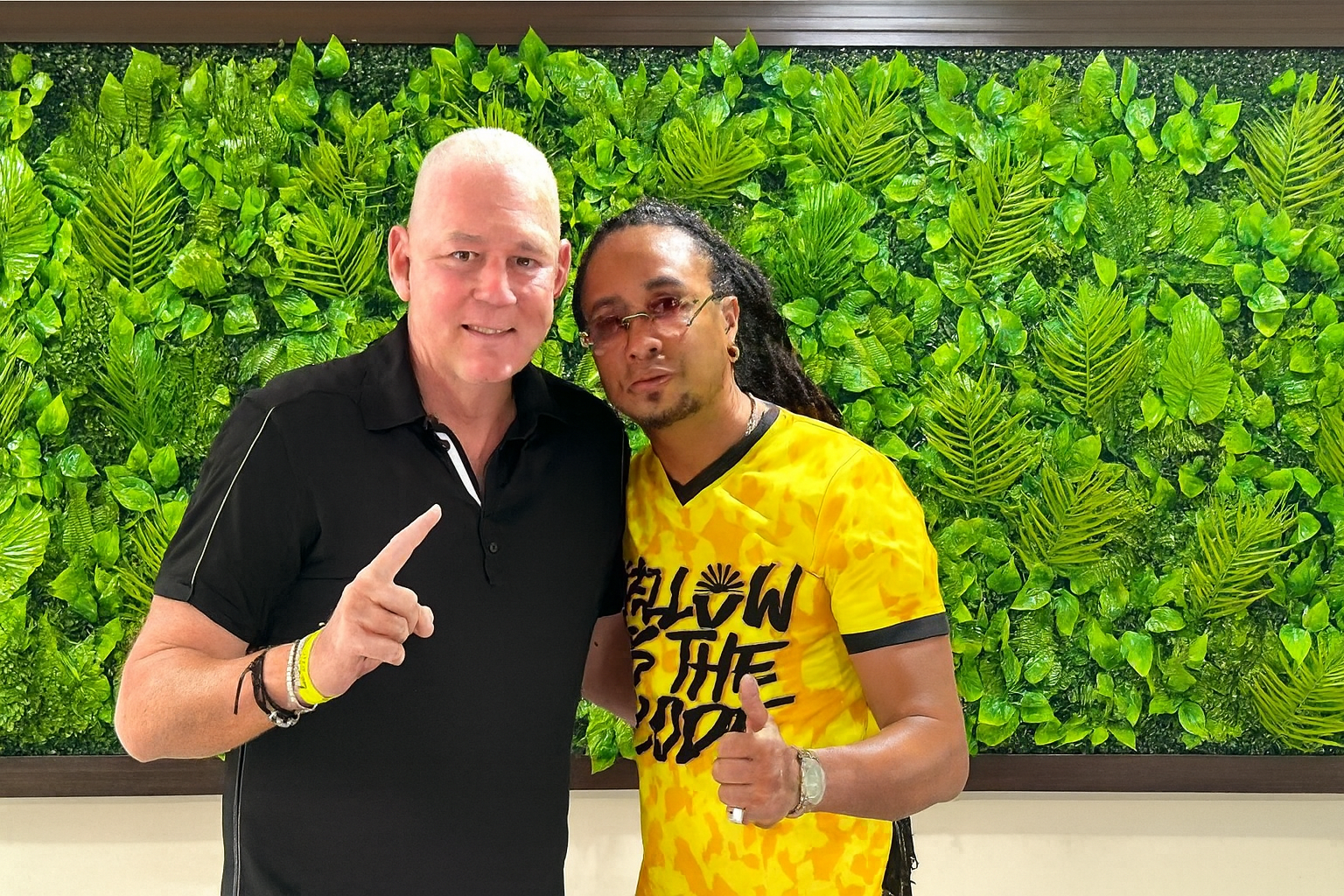
The Makamillion St Lucia campaign began as a simple video — a Trini voice, a UNC-yellow T-shirt, and a crowd in St Lucia waving yellow for the United Workers Party (UWP). Within hours, the footage ricocheted across social media: Makamillion on stage, shouting out UWP leader Allen Chastanet, praising the “yellow movement,” and turning what looked like a campaign rally into a soca-style hype session.
Then came the voice note.
In it, a man sounding exactly like Makamillion claimed he was “mandated” to go to both St Lucia and St Vincent to “spread the yellow message” ahead of their elections. Suddenly, this wasn’t vibes — it was geopolitics with a bassline.
“I was mandated to go to St Lucia and St Vincent.” — Voice note attributed to Makamillion, circulated widely online.
Government officials scrambled to deny it. Social media had already decided its own truth. And the region, from Castries to Couva, leaned in to watch the latest episode of Caribbean Election Cinematic Universe.
Who Exactly Is Makamillion? Entertainer, Councillor, Candidate… and Now ‘Foreign Surrogate’?
Before the Makamillion St Lucia campaign became headline material, Makamillion — John Michael Alibocus — was best known as:
- A South-based entertainer
- The UNC councillor for Marabella West
- Now the UNC’s candidate for San Fernando East
- And the self-branded “Great White” behind the slogan “Yellow Iz the Code.”
His rise blended comedy, hype-man energy, and political ambition into a single persona that feels more 2025 than anything in the region’s political playbook. He campaigns like a fete promoter. He performs like a candidate. He speaks like a man trying to win a constituency and a crowd simultaneously.
But St Lucia wasn’t his constituency. And that’s where the waters get murky.
When ‘Yellow Iz the Code’ Shows Up in Castries
St Lucia heads into a high-stakes general election on December 1, with Prime Minister Philip J. Pierre’s SLP facing Allen Chastanet’s UWP. Every symbol, slogan, and shade of yellow or red has political weight.
So when Makamillion arrived — in yellow, shouting “Vote UWP!” — he wasn’t just an artiste working a gig. He was an elected official from another CARICOM state, using a campaign slogan from Trinidad inside another nation’s election cycle.
The crowd didn’t mind. Social media did.
Caribbean elections are famously colourful, but this was the first time many St Lucians saw a foreign politician openly campaigning on their soil. Whether it was “interference” or “just vibes” depends on your national tolerance for bacchanal.
The “Mandate” Claim vs the Government’s Pushback
The voice note allegation hit harder than the performance.
If a Trini councillor claimed he was sent to influence two foreign elections, that’s no longer entertainment — that’s foreign policy with rhythm section.
Acting Foreign Minister Barry Padarath swiftly rejected it:
“The Government of Trinidad and Tobago does not interfere in elections of any sovereign nation.” — Barry Padarath
He insisted Makamillion travelled as an entertainer, not a political envoy. He noted plenty of artistes perform across the region and endorse whoever they want.
But optics don’t care about official statements.
Opposition voices pointed to other recent controversies — including diplomatic confusion involving St Vincent’s Ralph Gonsalves — arguing that the Government has already blurred the lines between friendship, influence, and foreign entanglement.
For context, readers can revisit our earlier analysis of regional political tension here
To get St Lucia’s election context straight from the source, see the latest reporting from the St Lucia Times:
External link: https://stluciatimes.com/
When Fete Becomes Diplomacy: What Does ‘Non-Interference’ Even Mean in 2025?
The real story of the Makamillion St Lucia campaign is bigger than one councillor or one concert. It exposes a new Caribbean phenomenon: political personalities now hop islands the same way artistes hop Carnival circuits.
And in the age of viral clips:
- An endorsement is a foreign-policy signal
- A meme can become a diplomatic headache
- And one councillor’s hype session can look like a state-sponsored surrogate mission.
Even if Makamillion acted alone, his dual identity — performer and elected official — creates unavoidable ambiguity. Caribbean politics is intimate; everyone knows everyone. The region’s diplomacy has always been informal. But informality gets dangerous when elections collide with entertainment and identity.
How St Lucians and Trinis Are Reading the Moment
In St Lucia, reactions split cleanly:
Some said:
“A free concert is a free concert.”
Others countered:
“Foreign politician? In our election? Nah man.”
In Trinidad, it became another episode in the national drama:
Some see Makamillion as a regional influencer, exporting Trini-style campaigning like a cultural product.
Others view it as reckless and tone-deaf for a government already answering questions about its stance on foreign electoral issues.
Caribbean politics works like a domino chain — you poke one island and another one shakes.
The Bigger Warning: Caribbean Elections Are Becoming a Regional Influencer Marketplace
The Makamillion St Lucia campaign might be the first high-profile case of a Trini politician campaigning in another CARICOM state, but it won’t be the last.
Elections in the region are becoming:
- hyper-visual
- Hyper-social
- Hyper-influenced.
Campaign surrogates now travel with the same ease as DJs and Carnival bands. Slogans jump islands. Colour codes turn into cross-border symbols. A councillor in Trinidad becomes a hype man in St Lucia becomes a headline in St Vincent.
And voters — whether islanders or diaspora — watch all of it in real time.
The Caribbean always loved bacchanal.
Now bacchanal has become political export.