Trump Says CIA Get Green Light for Venezuela — Caribbean Shadows Getting Long
The Big Play: Covert Go-Ahead
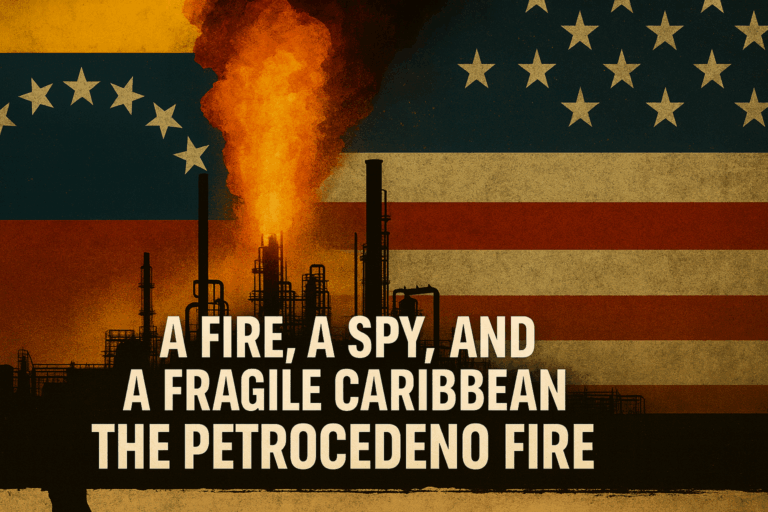
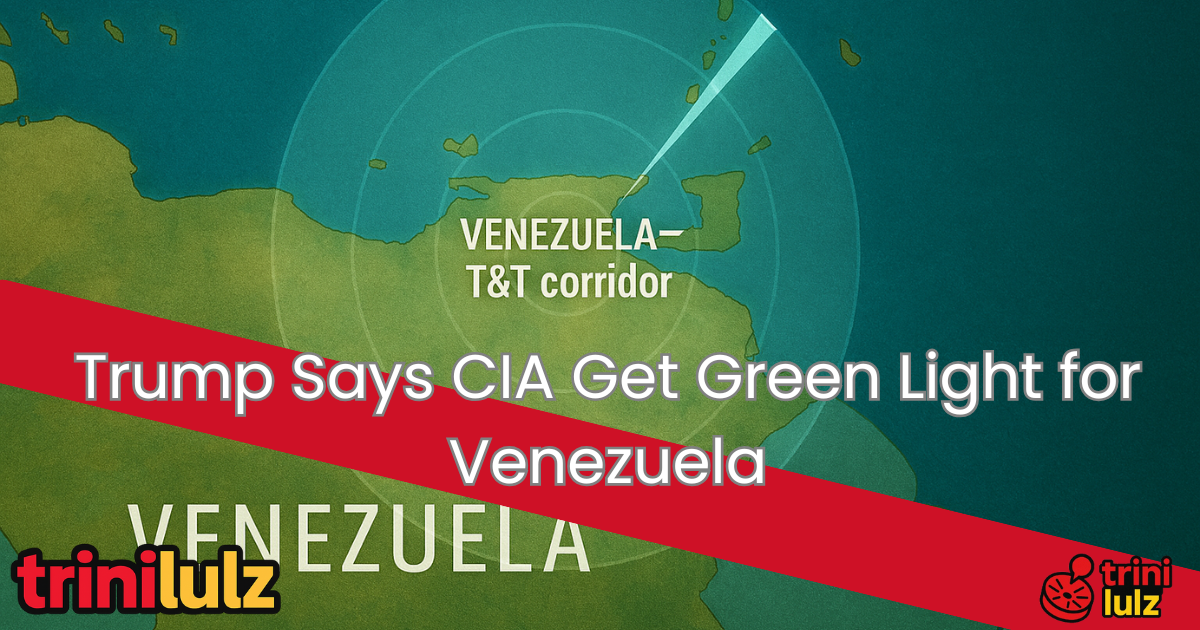
Donald Trump just said the quiet part out loud: the CIA get green light for Venezuela covert operations, with lethal authority wrapped in secrecy. The directive is classified, but the gist is clear — Washington moving from visible sea strikes to shadow moves inland.
Trump’s public framing hits old notes: drug trafficking, regional instability, and a claim that Venezuela is exporting criminals through the U.S. border. Asked if Nicolás Maduro himself could be a target, he dodged — which tells you everything and nothing at the same time.
Context Check: Five Strikes and Counting
This isn’t happening in a vacuum. Since late summer, the U.S. has carried out a series of deadly strikes on small vessels in Caribbean waters near Venezuela — the latest killed six people on Oct. 14. Washington labeled the targets “narco-terrorist” boats; hard evidence released publicly has been sparse.
Quick recap of the escalation:
- Strike cluster (Sept–Oct 2025): Multiple boats destroyed off Venezuela and nearby waters; the Oct. 14 strike left six dead and marked the most lethal single incident so far.
The new CIA authorization is best read as Act II in the same play — the sea campaign moves to land and intelligence theaters.
Why the Caribbean Should Care (besides the obvious)
Sovereignty & spillover: Covert ops blur borders and accountability. A misread target or “intelligence error” at sea is bad; repeat that on land and you have embassies, ports, even energy installations in the danger zone.
Law & oversight: Without a declared war, covert actions live in a murky legal space. Some U.S. lawmakers — both parties — are already pressing for briefings and limits. If Congress isn’t fully looped, small states in the splash zone definitely aren’t.
Energy politics: This runs parallel to the Caribbean’s gas chessboard — Dragon Gas waivers, sanctions flip-flops, and delicate T&T–Venezuela cooperation. Shadow ops plus pipeline dreams is a spicy combo. (See recent U.S. signals supporting select cross-border energy deals while sanction pressure continues elsewhere.)
The Trump Pitch vs. The Pushback
The pitch: Covert ops = speed, surprise, deniability. Hit “transnational criminals,” starve narco-profits, stabilize the neighborhood.
The pushback: Legal scholars and rights groups warn the pattern looks like war by other means — with thin public evidence tying specific boats or people to narcotics. Venezuela calls it aggression hiding inside drug-war language. Bottom line: high risk of civilian harm, diplomatic blowback, and precedent-setting for the region.
TriniLulz Translation
When superpowers flex in small seas, every lil’ island feeling the breeze — and sometimes the backwash. Fishermen check the sky now, not just the swell. Port authorities reading cables like they studying for CXC. And energy planners? They praying the only thing “covert” near a platform is turtle nesting season.
This isn’t about whether Venezuela nice or naughty. It’s about rules and reality: if covert ops become the new normal in our basin, the map shifts — for law, trade, migration, and yes, Carnival politics.
The Road Ahead
Expect three things:
- More shadows than statements: Covert means silence; we’ll hear about outcomes, not operations.
- Regional hedging: CARICOM will talk stability while avoiding crossfire. Behind the scenes, everyone begs for proof standards before the next “precision” anything.
- Energy diplomacy acrobatics: The same week one file opens (gas waiver), another closes (sanctions), and suddenly a drone flies — policy Jenga in real time.

Bottom Line
From boats to black ops — the Caribbean theatre just got darker. The CIA now has a green light in Venezuela, the Pentagon keeps striking at sea, and our region must navigate between great-power zeal and small-state survival.
We love blue water and clear skies. But for now, the most dangerous current is political, not tidal.