RUSSIA TO ARM VENEZUELA WITH NUCLEAR CAPABLE MISSILES: A DANGEROUS POWER PLAY IN OUR BACKYARD
A Hypersonic Shadow Over the Caribbean
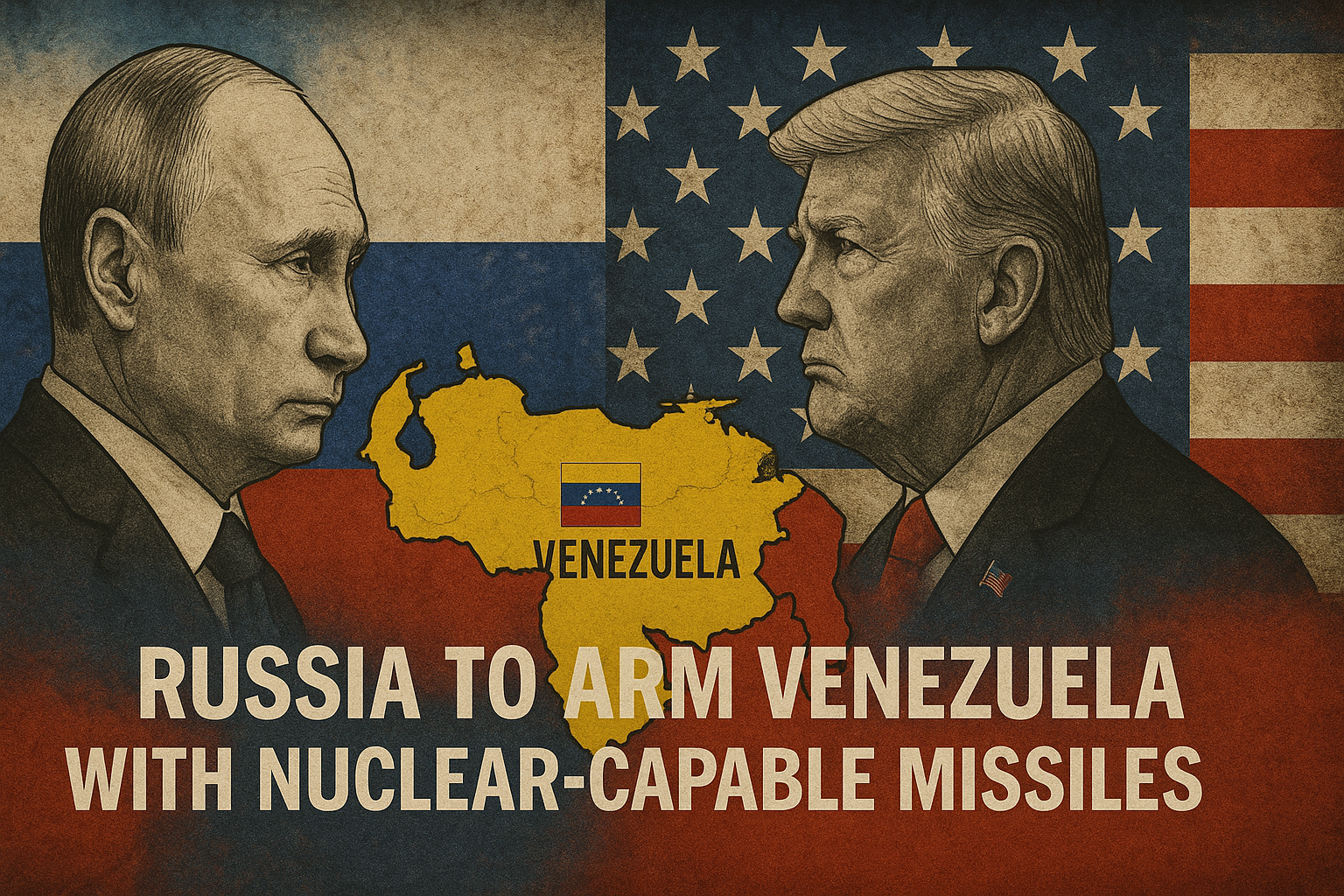
The Caribbean sky may soon host more than flying fish and aircraft trails. There are reports that Russia to arm Venezuela. According to Kyiv Post and Gazeta.ru, Russian lawmaker Aleksey Zhuravlyov, First Deputy Chairman of the Russian State Duma’s Defence Committee, declared that Moscow faces “no obstacles” to supplying Venezuela with its latest strategic missile system—the Oreshnik.
Zhuravlyov boasted that Russia already provides Caracas with “virtually the full range” of arms “from small weapons to aviation,” calling Venezuela a friendly partner. If his comments are followed by action, the Caribbean could see the first nuclear-capable Russian missiles stationed in the Western Hemisphere since the Cold War, an escalation of historic proportions.
“We are already supplying weapons to Venezuela … the shipment of Oreshnik missiles is being considered.”
— Aleksey Zhuravlyov, Russian State Duma Defence Committee
What Exactly Is the Oreshnik?
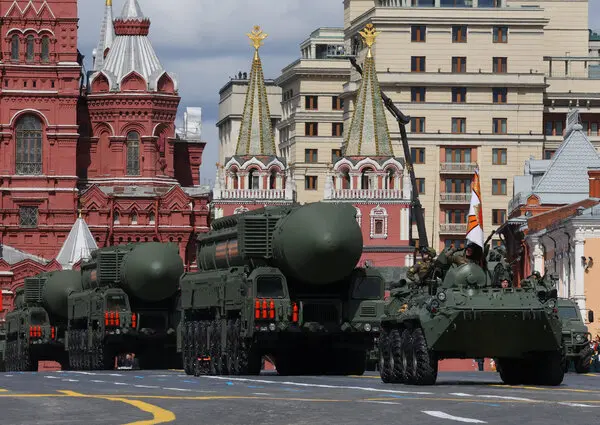
Military experts describe the Oreshnik as a next-generation intermediate-range ballistic missile (IRBM) capable of Mach 10 speeds or ten times the speed of sound. It reportedly carries MIRV technology (Multiple Independently Targetable Re-entry Vehicles), meaning one missile can deliver up to six warheads, each striking a separate target.
Its range is between 3,000 and 5,500 km. Which means it could reach deep into the Caribbean, Central America, and even parts of southern U.S. territory if deployed in Venezuela. And it’s believed to be nuclear-capable, which would effectively plant a strategic deterrent at America’s doorstep.
This would transform Venezuela from a struggling petro-state into a launchpad of global tension, forcing Washington to reconsider its entire defensive posture in the region.
From Calm Seas to Crisis Zones
The implications for the Caribbean go far beyond politics. If Russia to arm Venezuela becomes reality, the effect on regional security and local livelihoods could be profound.
1. Fishing grounds could shrink.
Military exclusion zones, naval patrols, and radar-testing areas could cut into traditional fishing zones—bad news for small boat operators from Grenada to Tobago.
2. Tourism may take a hit.
Just the perception of nearby “nuclear-capable weapons” can scare travellers and cruise lines.
3. More warships, less peace.
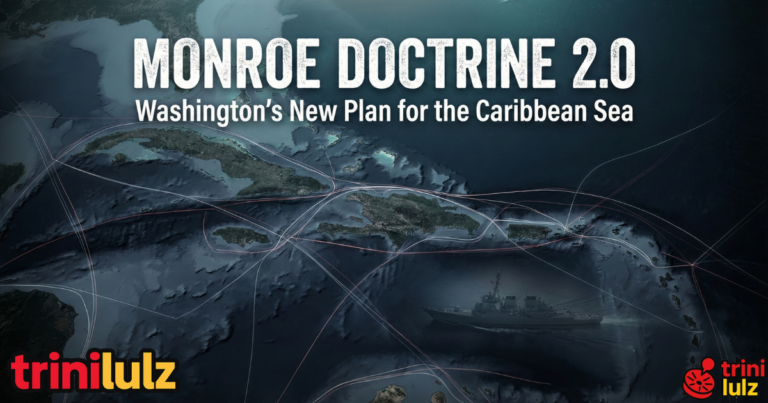
A U.S. military build-up to counter any Russian deployment could flood the Caribbean with surveillance aircraft and destroyers—turning the region into a geopolitical chessboard.
4. Increased risk of accidents.
With multiple powers operating at close range, even a misinterpreted radar blip could cause chaos.
“When missiles replace flying fish in the Caribbean sky, who fishes the nets?”
The Cold War Returns in Caribbean Colours
Defence analysts are calling this “the most serious Russian power projection in the Americas in 60 years.” Back in 1962, it was Cuba that hosted Soviet nuclear missiles and pushed the world to the brink. Now, it’s Venezuela’s turn to test those fault lines.
Earlier this month, the U.S. warship that docked in Port of Spain drew headlines and diplomatic side-eye, a moment we covered in U.S. Warship Comes to T&T . That visit now feels less like a courtesy call and more like prelude: the Caribbean is quietly re-arming, one announcement at a time.
According to a Reuters report, the Kremlin has remained in “active contact” with Caracas amid rising U.S. naval activity in the Caribbean. Russian media and diplomats have accused Washington of “military intimidation,” while American officials warn of “strategic overreach.”
Read the Reuters coverage here.
Why the Caribbean Should Care
This isn’t just distant superpower drama. Every missile test or strategic move sends waves across our region—literal and economic ones.
Fishing fleets, coast guards, and tourist ports across the Eastern Caribbean could soon find themselves navigating waters packed with foreign submarines and electronic surveillance. Already, vessels from the United States, Britain, and China have been spotted within overlapping patrol zones.
“The Caribbean Sea is no longer just blue water—it’s becoming a board of global strategy.”
How Real Is This Threat?
Let’s be clear: Zhuravlyov’s statement is not confirmation of an imminent missile transfer. Analysts at the Institute for the Study of War note that it may be strategic messaging—a warning to the West following increased U.S. operations near Venezuelan waters.
However, Russia has already lifted its moratorium on intermediate-range missile deployments, removing legal barriers to positioning such systems abroad. If logistical and political conditions align, Venezuela could indeed host Oreshnik units—possibly under Russian control, much like the model used in Syria.
For Caribbean governments, this means one thing: prepare for the possibility, not the panic.
Regional Reality Check
The Caribbean Community (CARICOM) has not yet issued a unified statement. But diplomats privately express concern that if Venezuela becomes a missile host, the region’s non-aligned stance could fracture—some islands aligning with U.S. policy, others staying silent for fear of economic fallout.
Trinidad and Tobago, sitting just north of Venezuela’s coast, would be especially exposed to any military confrontation. The Gulf of Paria—once a peaceful fishing and trade route—could turn into one of the most militarised waters in the hemisphere overnight.
For now, the only missiles flying are diplomatic ones. But if Zhuravlyov’s talk turns tangible, the Caribbean’s calm blue horizon might soon glow red.
This story is part of our wider Caribbean Geopolitics & Global Affairs coverage. Explore the full hub for regional security updates, diplomacy, migration, energy politics, and deeper analysis of how global power plays shape Caribbean realities.