UNC Headquarters Press Conference: When Government Starts Sounding Like Party Business
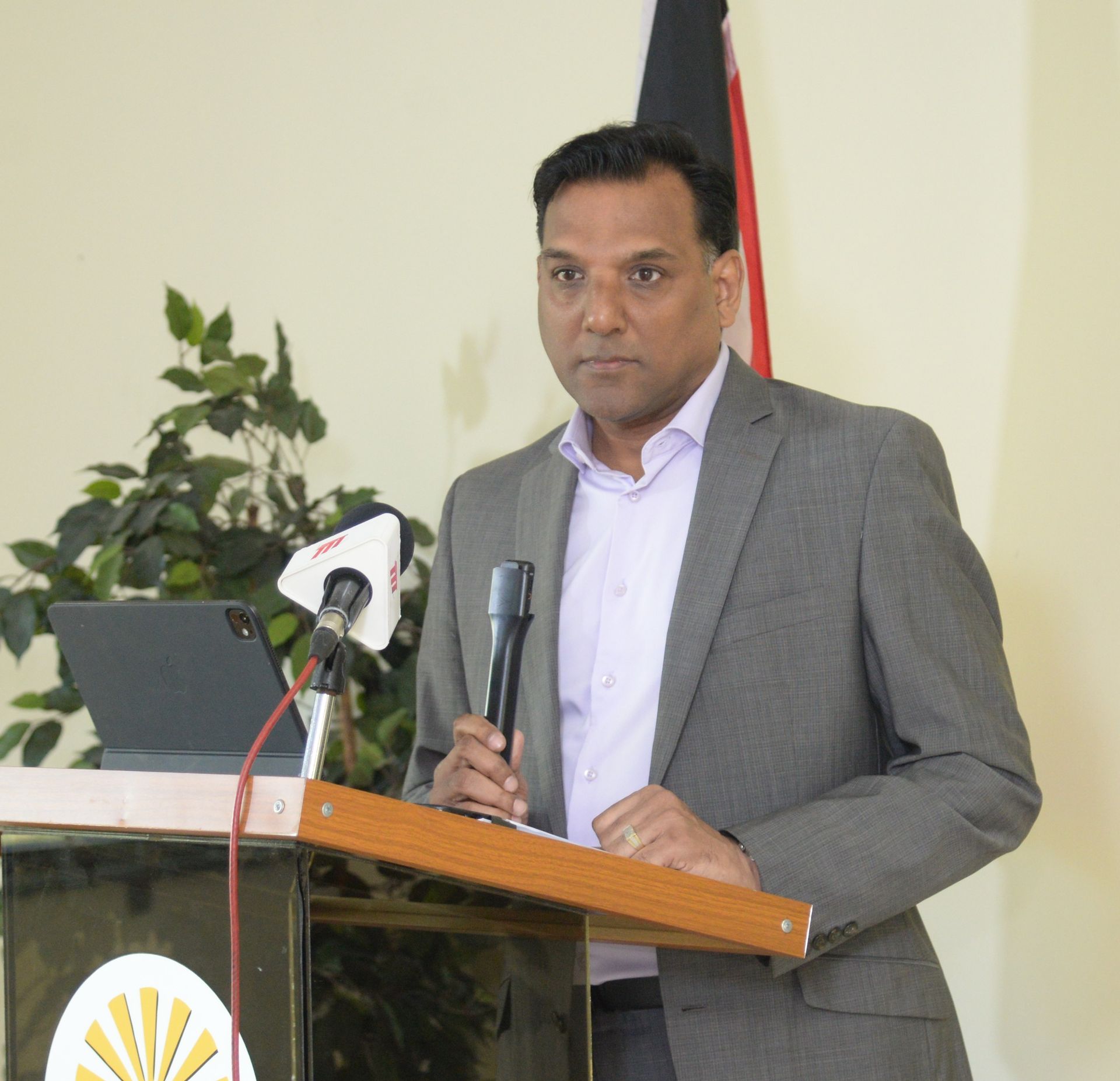
There was a moment this week when political optics quietly elbowed their way into the national conversation. A UNC headquarters press conference, addressing matters of government business, triggered a debate far larger than the room it was held in.
On the surface, it looked routine. Politicians spoke, cameras rolled, statements were issued. But the setting mattered. This was not a neutral state venue or a government building. It was the headquarters of a political party that currently forms the government.
Supporters brushed it off as practical. Critics saw something more troubling. The rest of the country was left asking a deceptively simple question: when a party wins office, where does the party end and the State begin?
When National Policy Is Announced on Party Turf
The phrase UNC headquarters press conference quickly became shorthand for a deeper concern about how government communicates with the public. The justification offered was blunt and unapologetic. Party officials argued that policy is created at party level, and therefore discussing national issues from party headquarters is logical.
In Westminster-style systems, that argument has historical grounding. Political parties campaign on manifestos, win elections, and then use those manifestos as the basis for governance. The party is not incidental. It is central.
For readers unfamiliar with how this works, a neutral explainer on the Westminster system of government outlines why party discipline and party policy dominate executive decision-making in parliamentary democracies. The system itself is not unusual.
But context matters. And so does symbolism.
The Argument For Using Party Headquarters
There is a practical case to be made for holding a UNC headquarters press conference. Party offices already have media infrastructure, communications teams, and controlled environments. Information can be released quickly and consistently, without logistical delays.
There is also a democratic argument. Voters elect parties to govern. The policies being discussed were presented to the electorate before the election. From this perspective, the party office is simply the operational hub of a government carrying out its mandate.
In an era where speed dominates the news cycle, efficiency often wins. Neutral venues take time. Party headquarters are ready-made.
But efficiency alone does not settle the question.
“A government should feel like a public institution, not a party meeting with better lighting.”
The Argument Against: Optics, Trust, and Ownership of the State
Here is where the optics bite. A UNC headquarters press conference does not look the same to everyone. For supporters, it feels natural. For those who voted differently, it can feel exclusionary.
Government communication is not just about transmitting information. It is about reinforcing the idea that the State belongs to everyone. When official announcements are framed by party branding, colours, and symbols, that sense of shared ownership weakens.
This is not merely a social-media complaint. It touches on public trust. Democratic norms rely on the perception that institutions rise above party allegiance once elections are over. When the visual language of governance mirrors campaign aesthetics, critics begin to question whether the State has been absorbed into party machinery.
And once that perception takes hold, it is hard to reverse.
Why This Debate Feels Familiar
Trinidad and Tobago has seen this movie before. Grand policy announcements often arrive wrapped in bold political branding. The debate around Kamla Persad-Bissessar’s sweeping policy proposals captured this tension perfectly.
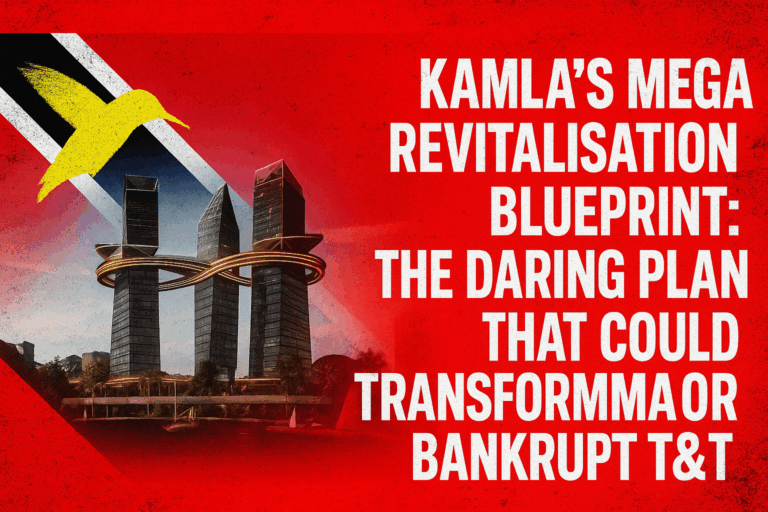
In Kamla’s Mega Revitalisation Blueprint: The Daring Plan That Could Transform or Bankrupt T&T, the issue was not only the substance of the plan, but how it was framed, sold, and communicated to the public.
The same principle applies here. Where and how government speaks shapes how citizens interpret legitimacy.
“Once governance looks partisan, every announcement sounds like campaigning.”
The Long-Term Risk of Normalising Party-Based Governance
A single UNC headquarters press conference might seem insignificant. Normalise it, however, and the precedent becomes dangerous. Future governments of any party will feel justified in conducting national business entirely from party platforms.
At that point, neutrality disappears. State communication becomes permanently politicised. Every briefing feels like a rally. Every policy announcement carries partisan overtones.
Healthy democracies rely on invisible boundaries. They are not always written into law, but they are understood. Once those boundaries erode, restoring them is far harder than maintaining them in the first place.
Final Thought: Legal or Not, This Is About Confidence
This debate is not strictly about legality. It is about legitimacy. A UNC headquarters press conference may be lawful, efficient, and strategically sound. But governance is not only about what is allowed. It is about what builds confidence across the entire population.
Political parties win elections. Governments inherit responsibility for everyone.
The distinction matters. And the room you choose to speak from tells the country whether you understand that difference.
This story is part of our wider Trinidad Politics Explained coverage. Explore the full hub for political analysis, key background, major controversies, and the latest updates.