Shield of the Americas Summit: Kamla at Trump’s War Table What Exactly Did Trinidad Sign Up For
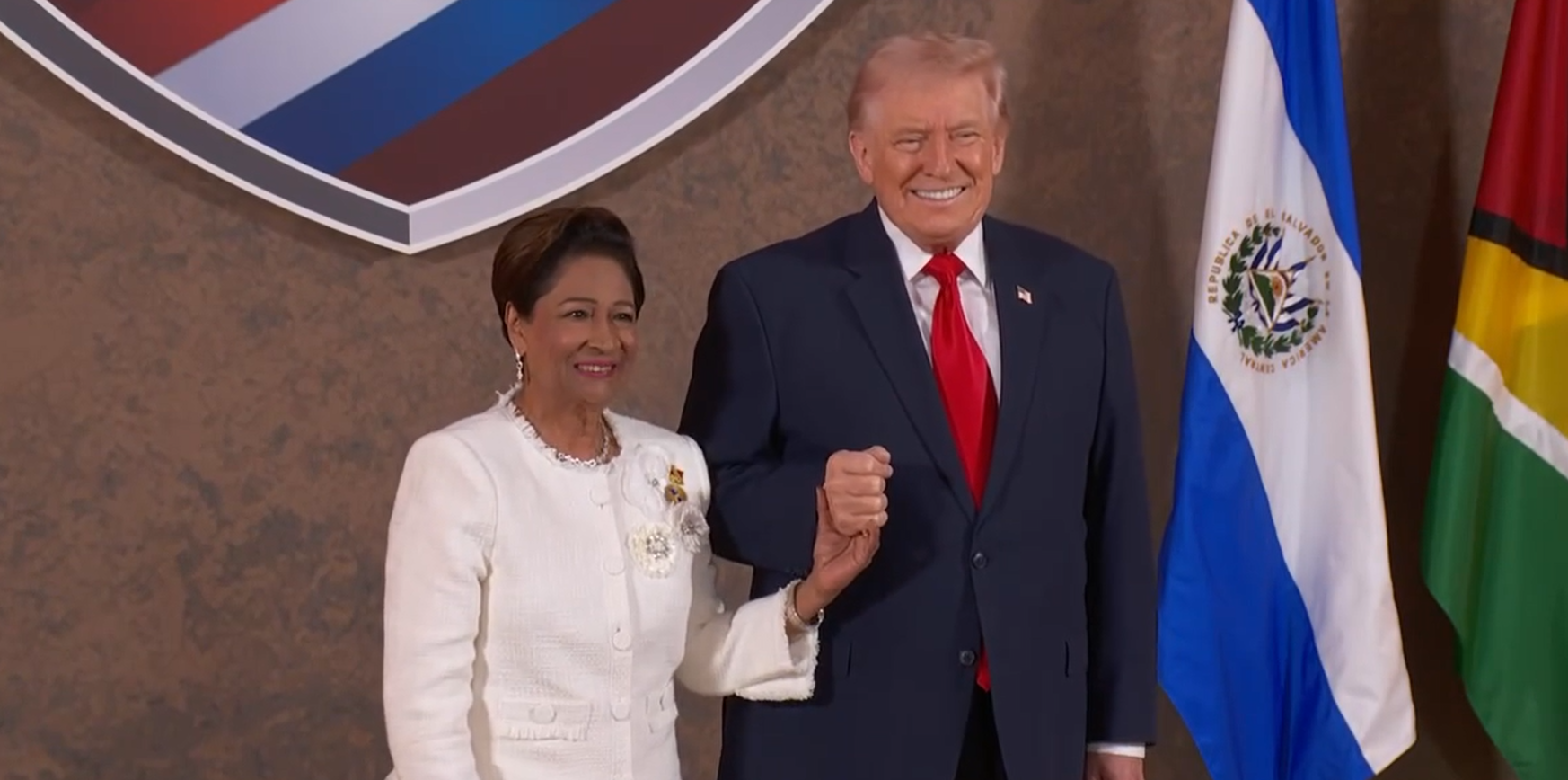
The Shield of the Americas Summit held in Miami on March 7, 2026 was pitched by Washington as a gathering of allies committed to security, freedom, and prosperity across the Western Hemisphere. But beneath the diplomatic smiles and summit photos lies a much bigger geopolitical story.
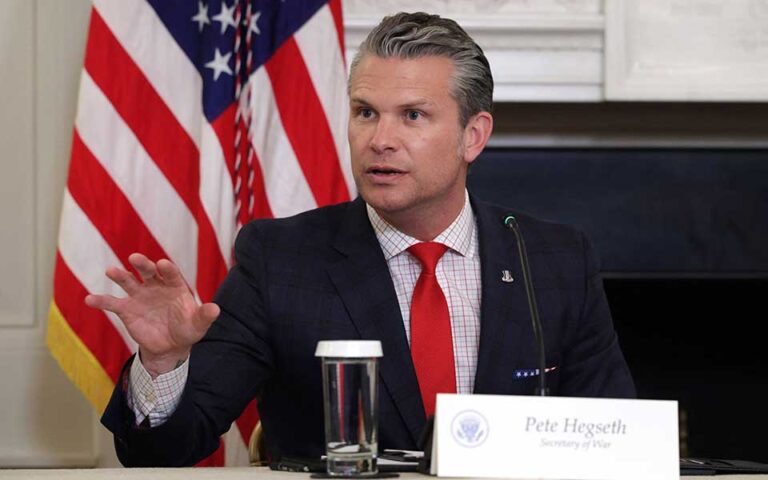
Trinidad and Tobago’s Prime Minister Kamla Persad-Bissessar was not just attending another regional conference. She was sitting at what increasingly looks like Washington’s new strategic war table for the hemisphere.
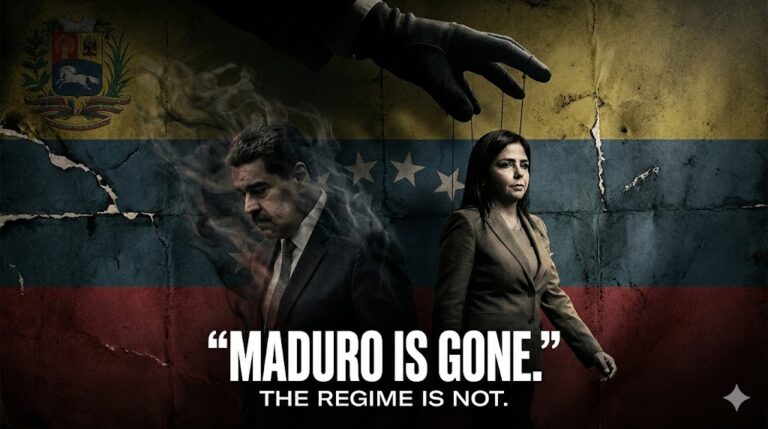
The summit, hosted at Trump National Doral Miami, comes at a moment when the United States is aggressively reshaping its influence in the Americas. The arrest of Venezuelan strongman Nicolás Maduro, renewed confrontations with Iran, and a regional crackdown on drug cartels have created a volatile environment in which Washington is asking its allies one blunt question: whose side are you on?
For Trinidad and Tobago, the answer appears to be increasingly clear.
“Small islands rarely get invited to power tables unless someone believes they are useful.”
The real question now is what exactly Trinidad signed up for.
Why Trinidad Was Invited to the Shield of the Americas Summit
At first glance, Trinidad and Tobago might seem like an unusual guest at a summit dominated by security hawks and hard-line anti-cartel governments.
But geography tells a different story.
Trinidad sits just seven miles from Venezuela and directly along major trafficking corridors connecting South America to North America and Europe. For Washington’s security planners, the island is not just a Caribbean tourist destination. It is a strategic outpost at the mouth of South America.
That makes Trinidad valuable in several ways.
First, the country sits on the front line of the region’s narcotics routes. Defence Minister Wayne Sturge recently told US officials that Trinidad stands “on the front lines” of the fight against drug trafficking in the Caribbean and has requested additional military support and surveillance capabilities from Washington.
Second, Trinidad remains one of the region’s key energy producers. With Venezuela in chaos and global energy markets shifting, Washington has a growing interest in stable energy partners in the southern Caribbean.
Third, Trinidad’s proximity to Venezuela makes it a potentially important intelligence and monitoring hub if Washington intensifies pressure on Caracas.
The invitation to the Shield of the Americas Summit therefore signals that the United States sees Trinidad not just as a neighbour, but as a strategic partner in its new hemispheric security architecture.
The New Monroe Doctrine, With a Trump Twist
The summit reflects what many analysts are calling a modern reboot of the Monroe Doctrine.
The original doctrine, announced in 1823, warned European powers to stay out of the Americas. The 2026 version appears to be aimed at very different rivals.
China’s economic expansion across Latin America and Iran’s growing influence in parts of the region have become central concerns for Washington’s current strategy.
Inside the summit’s rhetoric, the message was blunt. The Western Hemisphere is being framed once again as America’s backyard.
Critics have nicknamed this emerging policy the “Don-roe Doctrine” — a nod to the Trump administration’s aggressive, transactional style of diplomacy. The concept has already been explored in detail in our earlier analysis, Monroe Doctrine 2.0: The New Caribbean Obedience Test.
And the Shield of the Americas Summit appears to be the gathering where that doctrine was operationalized.
But the guest list reveals something interesting.
While leaders from countries such as Argentina, El Salvador, Panama and Trinidad and Tobago were invited, some of the hemisphere’s biggest powers were conspicuously absent.
Brazil, Mexico and Colombia — the region’s three largest economies — were not part of the summit.
That omission has led some observers to describe the event less as a hemispheric alliance and more as a club of ideologically aligned governments.
“If half the hemisphere isn’t in the room, is it really a regional strategy or just a VIP section?”
What Trinidad Wants From Washington
For the Persad-Bissessar administration, the appeal of joining this security bloc is obvious.
Crime and gang violence have become one of the most pressing domestic issues facing Trinidad and Tobago. The government recently declared another State of Emergency to combat criminal networks.
Access to US intelligence, surveillance technology and maritime security assets could significantly strengthen the country’s ability to intercept drug shipments and dismantle trafficking routes.
In other words, Washington’s war on cartels overlaps neatly with Port of Spain’s war on gangs.
There is also a financial dimension.
Trinidad is currently navigating critical financial compliance reforms tied to the Financial Action Task Force (FATF). Failure to meet international compliance standards can threaten the country’s access to correspondent banking relationships — the lifeline that allows local banks to conduct international transactions.
In a world where financial systems are increasingly tied to geopolitical alliances, closer alignment with Washington may also serve as a signal of reliability to international partners.
Finally, energy diplomacy may play a role.
As Venezuela’s energy sector remains crippled by sanctions and instability, Trinidad’s natural gas resources become even more strategically valuable to the United States and its allies.
For Port of Spain, that could translate into deeper energy cooperation and investment opportunities.
The Venezuela and Iran Question
Where the Shield of the Americas Summit becomes controversial is in its broader geopolitical context.
The summit took place just months after US forces captured former Venezuelan leader Nicolás Maduro and transferred him to New York to face drug-related charges.
Meanwhile, tensions between Washington and Iran have escalated sharply.
While Trinidad has not been involved in any direct military operations, its participation in a security coalition that openly supports Washington’s confrontational posture inevitably carries political implications.
In diplomacy, symbolism matters.
When a small state sits at the table where great powers are planning strategy, neutrality becomes harder to maintain.
That is the tightrope Trinidad may now be walking.
A Small Country at a Big Table
For decades, Trinidad and Tobago has balanced its foreign policy carefully between regional solidarity, global diplomacy and pragmatic cooperation with the United States.
The Shield of the Americas Summit suggests that balance may be shifting.
By accepting the invitation and aligning with the summit’s security agenda, the country has stepped more clearly into Washington’s strategic orbit.
Whether that move delivers the promised benefits remains to be seen.
The upside could include stronger security cooperation, financial stability and expanded energy partnerships.
The downside is that Trinidad could find itself entangled in geopolitical conflicts far larger than the island itself.
Small countries rarely get to choose the games played by great powers.
But sometimes they do get invited to the table.
The real question after Miami is whether Trinidad simply attended the meeting — or quietly joined the team.
This story is part of our wider Caribbean Geopolitics & Global Affairs coverage. Explore the full hub for regional security updates, diplomacy, migration, energy politics, and deeper analysis of how global power plays shape Caribbean realities.