Tobago Radar Bacchanal: Built for the Sky, But Catching Pirogues in Caroni

For several days now, the public has been told a tidy, reassuring story: a powerful new Tobago Radar helped authorities intercept a drug boat in the Caroni Swamp, leading to one of the biggest marijuana seizures in recent history. Case closed. Applause. National security upgraded.
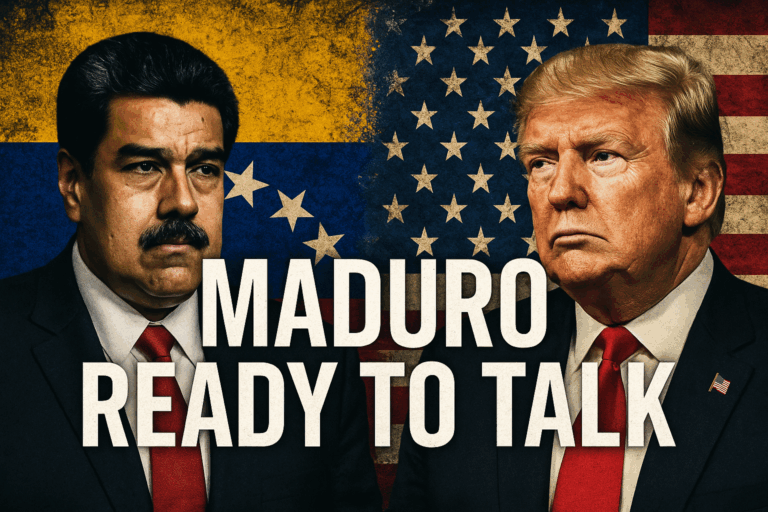
But this isn’t the first time TriniLulz raised questions about the system. When news first broke that a U.S. military radar was being installed in Tobago, concerns were already surfacing about what the radar was really for and who it ultimately serves.
Except now, the story has evolved, and the contradictions are harder to ignore.
And that’s where the controversy starts.
Because while the official narrative insists the radar “played a role” in stopping a drug boat, credible voices, including former senior military and coastal surveillance officials, are saying something very different: this system is primarily an aerial surveillance radar, not a marine one. In other words, it watches the sky, not pirogues creeping through mangroves.
So which version of events are we supposed to believe?
What the Tobago Radar Is Actually Built to Do
The radar installed at Crown Point is widely reported to be a U.S.-supplied military system, designed first and foremost for airspace surveillance. According to Northrop Grumman’s own official description of the AN/TPS-80 Ground/Air Task-Oriented Radar (G/ATOR), the system is engineered to support air surveillance, air traffic control, fire control, and missile defence operations — all missions centred on airborne targets, not small marine vessels.
Systems in this class excel at detecting aircraft, drones, and fast-moving objects in the sky across wide distances. They are not marketed or described by the manufacturer as coastal or surface-search marine radars, which are built to detect low-profile boats amid sea clutter, mangroves, and shoreline interference.
Marine surveillance radars are usually optimised for surface targets, small, slow-moving objects surrounded by sea clutter, waves, mangroves, and shoreline interference. Aerial surveillance radars are optimised for altitude, speed, and airspace control. Different missions. Different physics. Different engineering priorities.
That’s not internet speculation. Retired Lieutenant Commander Norman Dindial, former director of Trinidad and Tobago’s National Coastal Radar Surveillance Centre, has publicly questioned the official framing. He described the Tobago installation as consistent with long-range air surveillance and target acquisition, not boat tracking.
In plain terms: it’s an eye in the sky, not a spotlight on the sea.
The Official Story: Tobago Radar to the Rescue
Government officials and the Trinidad and Tobago Police Service have repeatedly said the radar provided intelligence support that led to the interception of a vessel carrying over 1,500 kilograms of marijuana, valued at more than $170 million.
The language used is careful. Authorities have avoided saying the radar “tracked the boat” directly, instead leaning on phrases like assisted, provided intelligence, or played a role. When pressed for details, the response is familiar: operational specifics cannot be disclosed for national security reasons.
And that’s reasonable, to a point.
But here’s the problem: the public messaging strongly implies the radar itself spotted or followed a drug boat through swampy terrain. That implication clashes head-on with what experts say the system is designed to do.
How Can Both Things Be True?
This is where nuance gets buried under press releases.
It is entirely possible that the Tobago radar contributed indirectly to the operation. For example:
- Detecting suspicious aircraft or drones associated with trafficking
- Identifying unusual airspace patterns linked to smuggling routes
- Feeding data into a larger intelligence fusion system alongside human sources, patrols, and other sensors
If that’s the case, then say so.
What raises eyebrows is the quiet slide from air surveillance support to boat interception hero. That’s not clarity. That’s marketing.
Security Theatre vs Serious Security
There’s a bigger issue lurking beneath the Tobago radar debate, and it has nothing to do with classified capabilities.
It’s about trust.
When citizens are told a system built for the sky is catching boats in a swamp, without explanation, it doesn’t inspire confidence. It creates suspicion. People start wondering whether they’re being informed… or simply reassured.
Transparency doesn’t mean revealing sensitive tactics. It means not overselling technology in ways that contradict expert understanding. A country fighting organised crime needs credibility as much as it needs hardware.
Because once the public starts thinking the story doesn’t add up, every future success becomes harder to sell — even the real ones.
The Real Question Nobody Is Asking
If the Tobago radar is an interim, stopgap solution — as officials have suggested — then the real question isn’t whether it helped catch one drug boat.
The real question is this:
Where is the permanent, purpose-built maritime surveillance system Trinidad and Tobago actually needs?
Until that’s answered clearly, this radar will exist in a strange limbo — both a powerful symbol of security and a case study in public confusion.
A radar, it seems, can be many things at once.
Watching the sky.
Catching boats.
And exposing how easily national security can drift into bacchanal.