Don’t Get Sick for Christmas”: RHA Backpay Confusion Sparks Go-Slow Strike Threat Across Health Sector
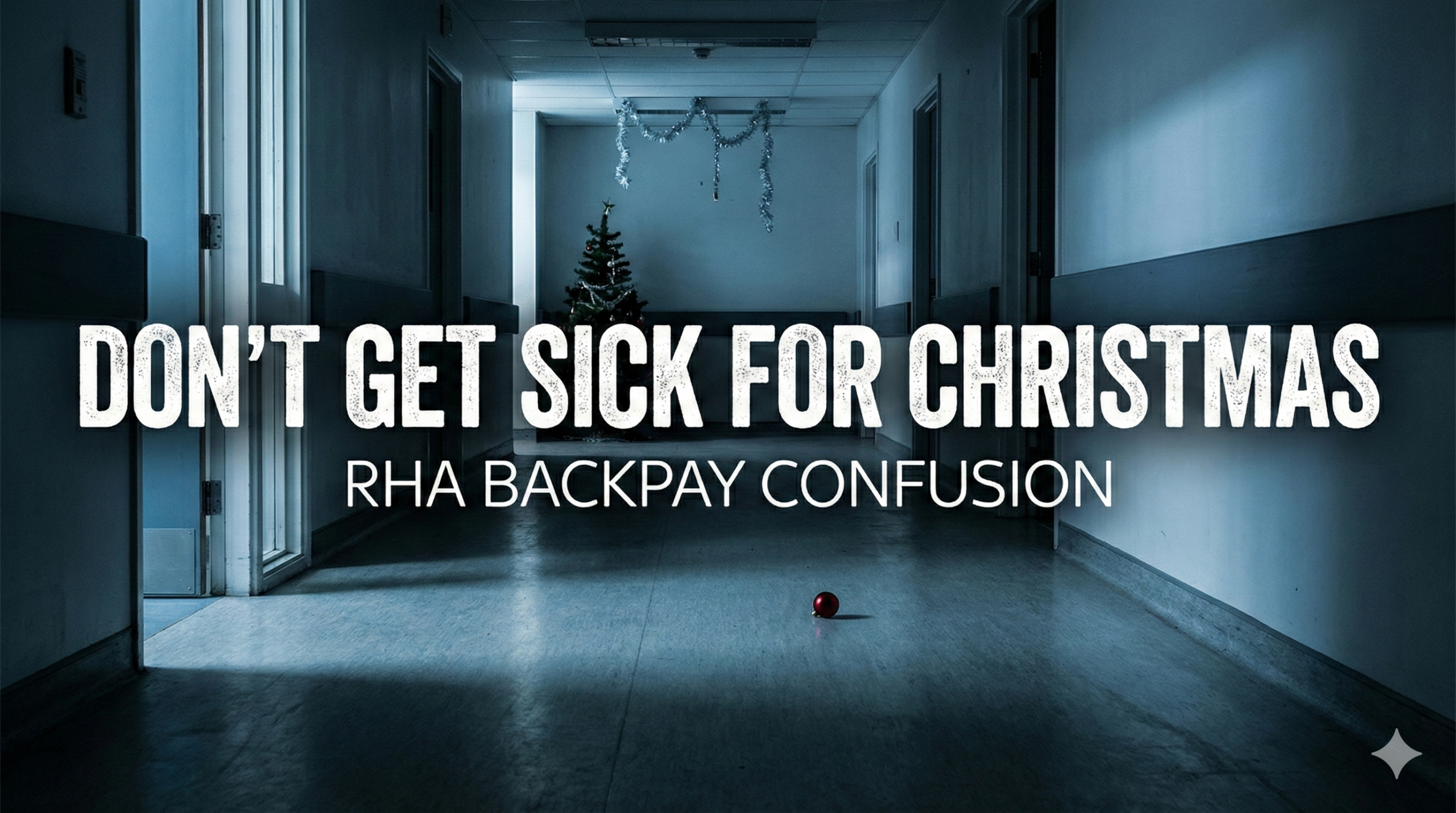
Christmas in Trinidad usually comes with two guarantees: insane traffic, and somebody ending up in Accident & Emergency after doing something they knew better than. This year, add a third warning to the list: try your best not to get sick.
That’s because growing RHA backpay confusion has pushed health workers across Regional Health Authorities to plan a Christmas week go-slow, with some openly saying they will do the “bare minimum” or stay away altogether between December 22 and 31.
One worker summed up the mood with a line that went viral almost instantly: “Tancoo and his team can take care of the sick patients.” It sounded flippant, but behind the sarcasm is a familiar Trinidadian feeling — being left out while watching others collect.
RHA Backpay Confusion: Same Hospitals, Different Paydays
At the centre of the storm is who exactly qualifies for Christmas backpay and who doesn’t.
Workers employed by the Ministry of Health but stationed in RHAs are set to receive their backpay by December 23, along with adjusted salaries going forward. But employees directly hired by the RHAs, along with some public servants who transferred into RHA employment years ago, are being told their situation is different.
That difference is what has exploded into full-blown RHA backpay confusion.
To the average citizen, it sounds absurd. Everyone wears the same scrubs, works in the same wards, and deals with the same patients. Yet when payday comes, the rules suddenly splinter.
To see our original coverage on this backpay issue where it was announced that some will be paid in cash before Christmas and some in kind.
👉 Read: Backpay Bacchanal 2025: 10% in the Headlines, IOU in the Fine Print
“Bare Minimum” Healthcare Is Not a Joke
Workers say the planned action isn’t about abandoning patients, but about sending a message. The message is simple: morale is low, trust is lower, and nobody wants to feel like an afterthought at Christmas.
Some staff have floated the idea of a symbolic “day of rest and reflection.” Others say they’ll show up and perform only essential duties. Either way, the timing couldn’t be worse. Christmas week is already one of the most dangerous periods on Trinidad’s roads, and hospitals typically operate under pressure even without labour tensions.
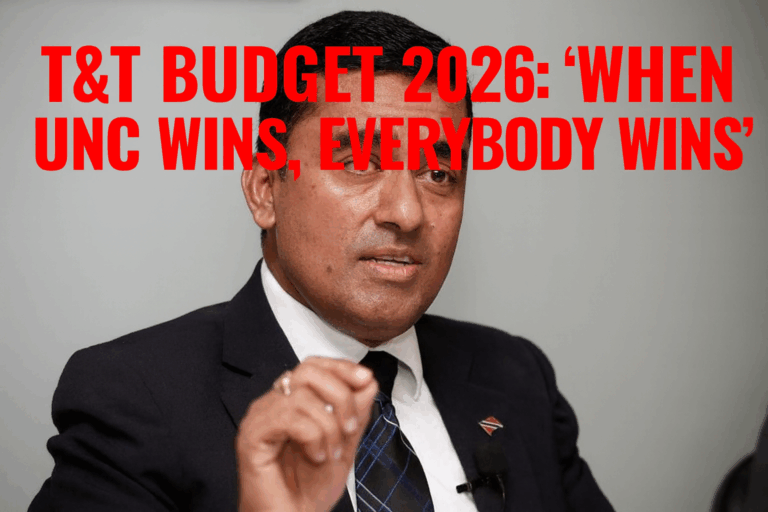
CNC3 reports that Finance Minister Davenath Tancoo is pleading for calm in the situation.
“Christmas advice 2025: Drive careful, eat light, and try not to need stitches.”
Government’s Position: “It’s the Law, Not the Grinch”
Finance Minister Davendranath Tancoo has urged workers not to disrupt healthcare services, stressing that the issue is rooted in law, not malice.
RHAs are statutory bodies, not line ministries. That means wage settlements reached between the Chief Personnel Officer and recognised unions for the core public service do not automatically apply to RHA-employed staff. Each RHA must negotiate with its recognised majority union under the Industrial Relations Act.
In other words, the government says it cannot simply copy-and-paste the deal, even if politically it would be far easier.
That explanation may be legally sound, but it hasn’t cooled tempers. To workers watching colleagues receive festive backpay while they wait on negotiations, the distinction feels academic at best and insulting at worst.
The Real Problem Isn’t Christmas — It’s the System
Strip away the sarcasm, and the crisis exposes a deeper flaw in how Trinidad’s health system is structured. The public experiences healthcare as one service. The state administers it as multiple employers with overlapping responsibilities and different rules.
When money is flowing, that complexity stays hidden. When negotiations stall, it erupts.
The danger now is that RHA backpay confusion hardens into long-term resentment. That doesn’t just affect Christmas staffing; it affects retention, burnout, and the quality of care long after the ham bone is done.
For patients, the takeaway is unsettlingly simple: politics, policy, and payroll arguments don’t stop illness. They just decide how well the system responds when it happens.
And that’s why, this Christmas, “don’t get sick” sounds less like a joke and more like a national coping strategy.
This story is part of our wider Trinidad Politics Explained coverage. Explore the full hub for political analysis, key background, major controversies, and the latest updates: