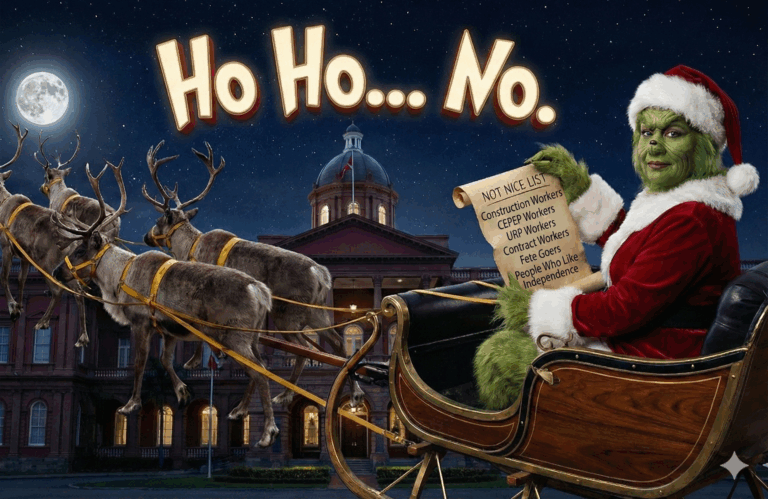
“FARLEY DOESN’T HAVE HIS WAY”: Kamla Shrugs Off Tobago Radar Objections as Tobago Radar Controversy Grows

The Tobago radar controversy burst back into the spotlight this week after Kamla Persad-Bissessar delivered one of the most quotable political lines of the year. Asked about Farley Augustine saying he would not place a radar in Tobago nor allow US military aircraft into the island’s airport, Kamla responded bluntly: “Mr. Farley doesn’t have his way, does he?”
It was dismissive, confident, and calculated. And it landed right as Tobago heads toward an election season thick with autonomy talk, referendum threats, and quiet political alliances.
This is no longer just a debate about hardware on a hill or aircraft on a runway. The Tobago radar controversy has become a proxy war over power, leverage, and who really gets to decide Tobago’s future.
Radar Reality vs Tobago Rhetoric
Kamla’s position is straightforward. The radar, she says, works. It has assisted law enforcement in intercepting major narcotics shipments. In her framing, Tobago may not face the brunt of drug trafficking, but Trinidad and Tobago certainly does. From Port of Spain’s perspective, the radar is a national security asset, not a Tobago vanity project.
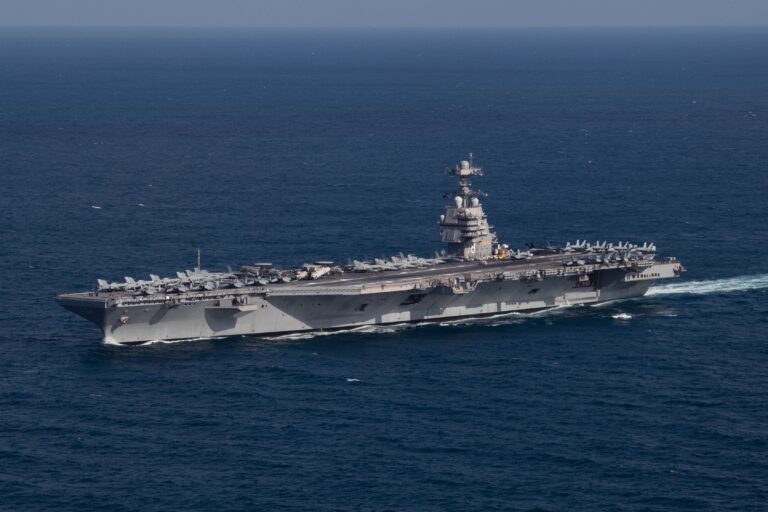
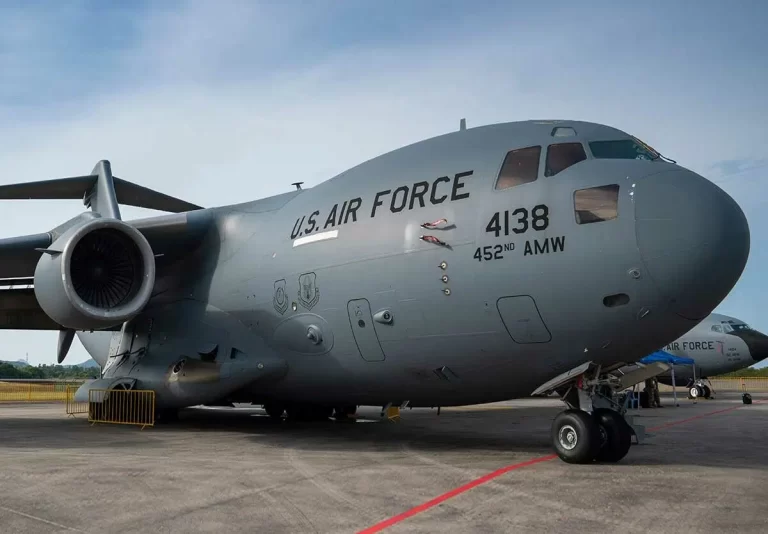
She also leaned into another argument often left unsaid: the US military presence is not an occupation. According to the Prime Minister, US forces have been involved in training, humanitarian assistance, and infrastructure upgrades. Schools, police stations, and military facilities benefit. And, critically, Trinidad and Tobago’s own security forces gain exposure and preparation “in case anything bad happens.”
In short, Kamla is selling pragmatism. Radar equals results. Cooperation equals capacity. End of story.
Except Tobago is not buying it so easily.
“Security for Trinidad, sovereignty for Tobago.”
That’s the fault line the Tobago radar controversy keeps reopening.
Farley’s Two-Step: Neutrality, Then Autonomy
Farley Augustine’s objection is not purely technical. It is political, symbolic, and carefully timed.
By saying he would not host the radar or US aircraft, Farley is signalling a version of Tobago that wants distance from global power struggles. Call it neutrality. Call it island exceptionalism. Call it branding. In an election year, it plays well.
Then comes the bigger card: an island-wide referendum on autonomy, floated for mid-2026.
Legally, such a referendum would not be binding. Politically, it would be explosive.
Kamla seized on that reality in the interview, swatting away the hypothetical with procedural coolness. No referendum yet. No terms of reference. No point honouring something that does not exist. Merry Christmas.
But Farley’s move is not about law. It is about leverage. A referendum threat forces Port of Spain to negotiate, explain, or risk looking dismissive of Tobago’s aspirations.
And that brings us to the quiet part of the conversation.
The Tacit Alliance Nobody Wants to Admit
Publicly, there is no formal alliance between Farley’s Tobago People’s Party (TPP) and Kamla’s UNC. Privately, incentives matter more than press releases.
Farley needs Port of Spain if autonomy is ever to move beyond speeches. Kamla benefits from stability in Tobago, cooperation from its leadership, and avoiding an open political war on a sister island during a sensitive national moment.
That alignment does not require a signed agreement. It requires timing, tone, and mutual restraint.
Which makes Kamla’s “Farley doesn’t have his way” line fascinating. It is dominance with a wink. A reminder of hierarchy, delivered with clarity.
Elections, Runways, and the Bigger Chessboard
All of this unfolds against a wider geopolitical backdrop. The Caribbean is no longer a quiet pond. US–Venezuela tensions, energy routes, narcotics trafficking, and regional security have turned small islands into strategic assets.
Tobago’s airport runway, radar installations, and airspace are not just local issues. They are pieces on a larger board.
That is why the Tobago radar controversy resonates beyond island politics. It taps into anxieties about sovereignty, relevance, and control in a world where even “neutral” places are being pulled into orbit.
Kamla is betting that voters will choose security and realism over symbolism. Farley is betting that Tobago wants a louder voice, even if the tools to achieve it remain unclear.
So Who Really Has Their Way?
For now, Kamla is right. Farley does not have his way.
But autonomy movements are not built in press conferences. They are built over time, through narrative, identity, and carefully chosen confrontations.
The radar may stay. The planes may land. The referendum may or may not happen.
But one thing is certain: the Tobago radar controversy is no longer about technology. It is about who gets to say no, who gets to say yes, and how much that answer really matters.
This story is part of our wider Trinidad Politics Explained coverage. Explore the full hub for political analysis, key background, major controversies, and the latest updates.