The iPad Babysitter Getting Fired? Why Policing a Social Media Ban for Under-12s in T&T Is Easier Said Than Done
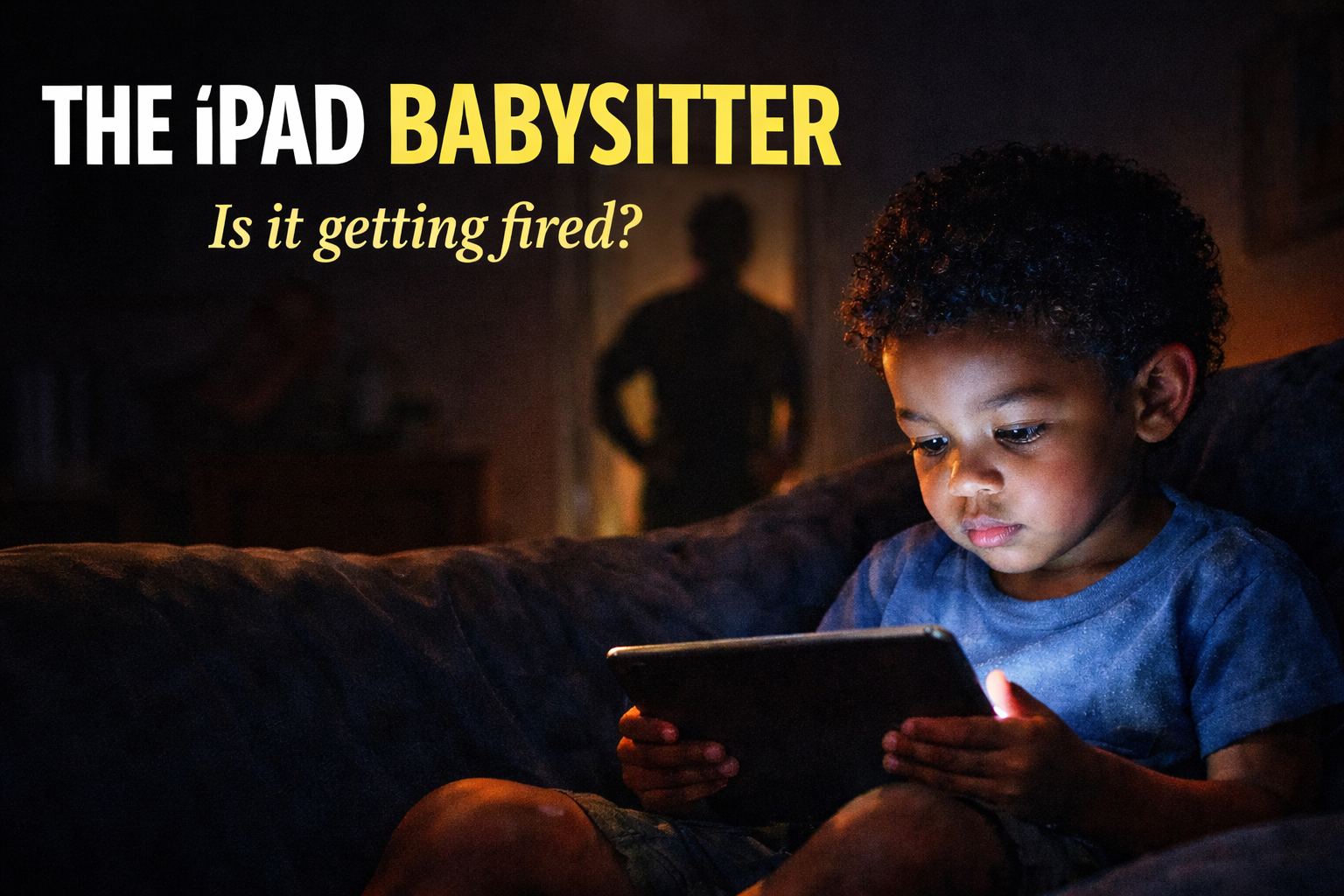
For years now, Trinidad and Tobago’s most reliable babysitter hasn’t worn shoes, charged overtime, or complained about traffic.
It glows.
It scrolls.
And it answers to the name TikTok.
So when news broke that the Prime Minister is considering a social media ban for children under 12, the reaction was instant and predictable. Some parents clapped. Some parents laughed. Some quietly checked their child’s phone to see if the account was already set to age 19.
On paper, the idea sounds simple. Protect children. Reduce exposure to harmful content. Give young minds a fighting chance before algorithms start shaping their worldview.
In reality? This is where theory meets Caribbean reality and gets real uncomfortable.
The World Is Banning… But Not Lightly
Trinidad and Tobago wouldn’t be inventing anything new. Governments across the globe are already moving against unrestricted child access to social media.
Australia has rolled out the world’s most aggressive policy so far: a nationwide ban on social media for anyone under 16. Not a suggestion. Not “parental guidance.” A ban, backed by law and enforced obligations on platforms.
France already requires parental consent for children under 15 and has openly discussed stricter enforcement after studies linked excessive social media use to anxiety and depression in minors.
The United Kingdom is actively exploring an Australia-style ban, citing child safety failures by platforms.
Even parts of the United States, including Florida, have passed laws restricting accounts for children under 14.
So no, this isn’t a fringe idea. It’s a global trend.
But here’s the part nobody likes to talk about.
Those countries have leverage.
Small Island, Big Platforms, Tiny Leverage
Australia didn’t “ask” Meta and TikTok to comply. It told them: comply or face penalties that hurt. Australia represents tens of millions of users, massive ad revenue, and political weight.
Trinidad and Tobago represents… less than two million people.
That matters.
A social media ban passed locally would still depend almost entirely on global tech giants to enforce it. The same companies that already struggle to keep 9-year-olds off platforms that technically require users to be 13.
Let’s be honest.
If TikTok, Instagram, and YouTube couldn’t perfectly enforce their own age rules worldwide, what makes us believe they will re-engineer their systems just for Trinidad and Tobago?
This is not about whether the intention is good. It is.
It’s about power.
A small state can pass a law in Parliament. It can’t summon Mark Zuckerberg.
Enforcement: Where Good Policy Goes to Die
Ask the uncomfortable questions.
How would a social media ban actually work here?
Would platforms need to verify age using government ID? That opens privacy landmines.
Would ISPs block access? Kids already know how to borrow phones and switch accounts.
Would parents be fined? Schools? Providers?
And then there’s the real Caribbean wildcard:
Older siblings.
Every ban assumes a world where children don’t share devices, accounts, or passwords. That world does not exist in Trinidad and Tobago. It never has.
So what happens instead?
The burden quietly slides back onto parents and schools, while the platforms issue press releases about “enhanced safety features.”
The Good, the Bad, and the Algorithmic Ugly
Supporters of a social media ban aren’t wrong about the risks. Excessive exposure has been linked to sleep disruption, cyberbullying, online grooming, and addictive design patterns that even adults struggle to resist.
But critics aren’t wrong either.
Research increasingly suggests it’s not just screen time, but how platforms are used. In fact, UNICEF has warned that age limits and bans must be paired with digital literacy, parental involvement, and platform accountability, especially in countries without the power to directly force Big Tech compliance.
And here’s the quiet truth nobody likes to admit:
A ban doesn’t teach digital literacy.
It postpones it.
You can delay the internet, but you can’t delete it.
The Real Question Nobody Is Asking
This debate keeps circling one idea: ban or don’t ban.
But maybe that’s the wrong framing.
Because whether Trinidad and Tobago bans social media for under-12s or not, the real issue remains untouched: who is actually raising our children online?
Right now, the answer is algorithms designed in Silicon Valley, trained on engagement metrics, not Caribbean values.
A social media ban might send a message.
But without regional cooperation, tech literacy in schools, parental support systems, and real accountability from platforms, it risks becoming another law that looks strong on paper and soft in practice.
The iPad babysitter might be getting fired.
But unless we’re ready to step back into the room, something else will take its place.