The Shocking Gary Aboud US Visa Ban: Is Washington Now Punishing Caribbean Dissent?
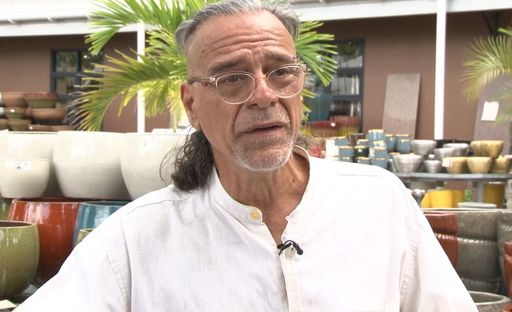
Caribbean people treat a US visa like a second birth certificate. You could lose your job, your favourite pair of shoes, and your partner in the same week and still hold it together—but lose your US visa and suddenly your whole life feels like it tip over. Which is why the Gary Aboud US visa ban has rattled Trinidad and Tobago so deeply.
One email—from the US State Department, vague as a fogged-up bathroom mirror—told one of the country’s most outspoken civil-society voices that his access to America was revoked, effective immediately. The letter mentioned “new information.” It didn’t say what that information was. Aboud himself has filled in the blank: he believes he is being punished for publicly criticising the US policy of missile strikes on Caribbean vessels.
And whether you agree with him or not, the timing is… suspicious enough to make even the most patriotic Miami shopper raise an eyebrow.
A Visa Isn’t Just a Travel Document—It’s a Caribbean Social Contract
Every Trini knows the deal. A visa is security, shopping, medical care, and a little emotional comfort rolled into one. Losing it can feel like the universe personally unfollow you.
That’s why the Gary Aboud US visa ban isn’t being read as a bureaucratic hiccup. It’s being interpreted as something bigger—maybe even a warning shot to anyone in the region who criticises American actions in our waters.
“Speak about missiles today, lose Sawgrass tomorrow? That’s not foreign policy—that’s pressure.”
And somehow, this hits even harder because Aboud isn’t a fringe player. He has spent decades raising environmental alarms, calling out corruption, and generally being Trinidad’s resident professional burner-of-bridges when governments (of any colour) get too comfy.
The Missiles, the Murders, and the Muted Caribbean Response
Here’s what triggered this entire conversation: Aboud has been sharply condemning the US aerial attacks on small vessels in the Caribbean—a campaign that has left dozens dead, including suspected Trinis. Global legal experts, human-rights organisations, and even the European Union have said these strikes have no recognised legal basis.
But some Caribbean governments? They’ve clapped along.
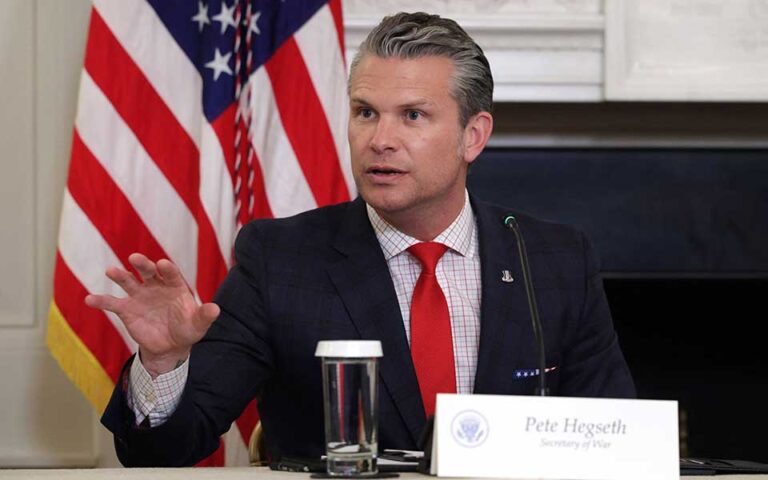
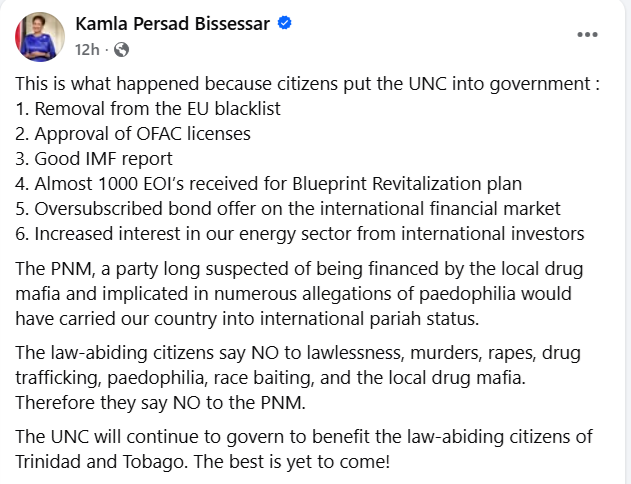
Prime Minister Kamla Persad-Bissessar herself has publicly defended the US operations, describing the killings as necessary, even “violent” justice—the very language Aboud and others say should make regional leaders pause, not cheer.
The Heart of Aboud’s Claim: Was He Targeted for Speaking Too Loudly?
Aboud’s central argument is simple:
He spoke out loudly.
He criticised a powerful country.
He embarrassed a government at home.
Days later—visa gone.
The US embassy has not explained the reason. Visa decisions are famously opaque; “new information’’ could mean anything from a minor administrative glitch to a full-blown political classification.
But this is where things get spicy.
Globally, Donald Trump’s second administration has been accused of using visa cancellations as a political tool. Activists, journalists, academics, and critics of US foreign policy have reported sudden revocations—sometimes right after high-profile criticism. Rights groups have already warned that this administration is comfortable using immigration status as leverage.
If Aboud’s case fits that pattern, it would mean Caribbean dissent is now subject to a new kind of foreign pressure: “Talk, and lose your visa.”
“If this is coincidence, it’s the kind that belongs in a spy novel, not a Caribbean newsroom.”
The Real Fear: A Silenced Caribbean, Not Just a Silenced Activist
The most dangerous part of the Gary Aboud US visa ban story isn’t what happened to him. It’s what everyone else will now be afraid to say.
If activists fear retaliation from Washington, and political leaders are already reluctant to confront powerful allies, then civil society becomes the weakest link in the chain.
And once civil society is quiet, democracy starts to behave like a karaoke machine with only two working buttons: “Government Version” and “Foreign Policy Version.”
This is the deeper question the Caribbean needs to wrestle with:
If speaking about international law, human rights, and regional sovereignty costs you your visa, what else could it eventually cost you?
Conclusion: Caribbean Voices Can’t Be Bought With a Stamp
The missile strikes are already dividing the region. The EU condemns them. The UK has hit the brakes on intelligence sharing. Colombia is questioning their legality. Activists are sounding alarms.
Now, with the Gary Aboud US visa ban, the Caribbean faces a new test:
Can small nations speak freely when big nations listen… and punish?
This situation is far from settled. But one thing is clear:
A region that stays silent to keep a visa is a region that has already surrendered its voice.