Tobago Full for Easter, Empty the Rest? If Trinis Keep the Island Alive, Did Tobago Chase Away Its Own Tourism Future?
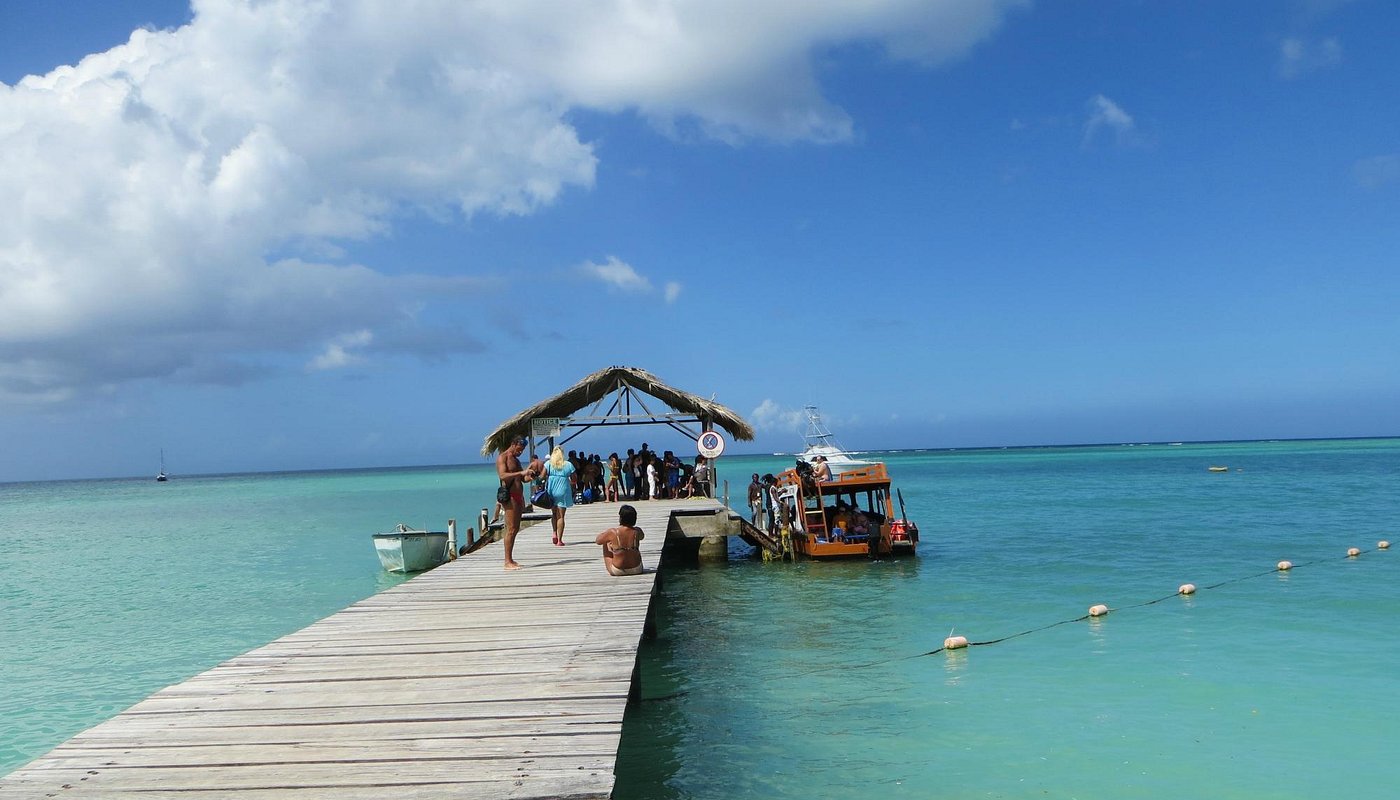
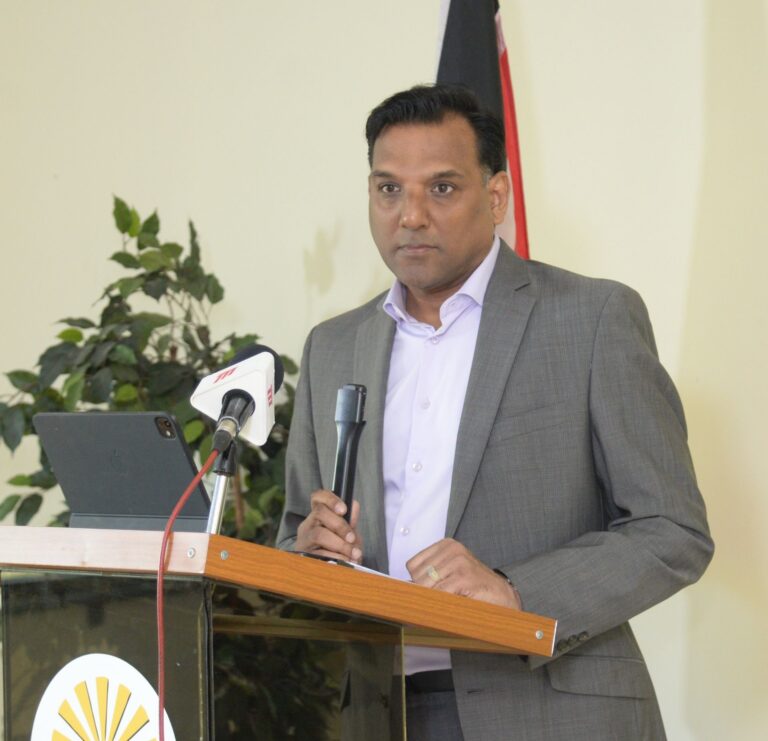
Tobago is once again doing what Tobago does best on a long weekend: looking full, sounding festive, and thanking Trinidadians for showing up with coolers, ferry tickets, airplane bookings and spending money. This Easter, THA Tourism Secretary Zorisha Hackett openly thanked Trinidadians as she declared domestic tourism “booming,” with airline seats sold out, extra flights added, more sailings arranged, and 20,241 seabridge passengers expected between April 1 and April 9. She also admitted what everybody with eyes could already see: Tobago’s beaches were overflowing, especially with Trinis.
And that is exactly where the uncomfortable question begins.
Because if Trinidadians are the ones repeatedly rescuing Tobago’s tourism numbers for Easter, Carnival and other peak moments, then what exactly is Tobago’s long-term tourism plan? Is the island building a serious year-round destination for international visitors, or is it mostly surviving on domestic traffic, holiday spikes and the annual hope that Trinis will once again come across and spend enough to keep the lights on? Trinidad and Tobago’s tourism consumption has historically leaned more domestic than international, with domestic consumption at 57 per cent versus 43 per cent international in the cited 2011 data, unlike places such as Jamaica and The Bahamas that are far more dependent on foreign arrivals.
A packed Easter is not a tourism strategy
This is where the feel-good headlines start to wobble.
Yes, Tobago is busy for Easter. But even the tourism stakeholders themselves are warning that holiday rushes cannot carry an industry for the rest of the year. In early April, Tobago Hotel and Tourism Association president Reginald MacLean said some properties were near capacity, but not all hotels were full. At Blue Waters Inn, occupancy was 81 per cent for Good Friday, 74 per cent for Gloria Saturday, and 71 per cent for Easter Sunday and Monday. He made the bigger point even more bluntly: Tobago cannot live on spikes. Off-peak weekends can fall as low as zero to 20 per cent occupancy.
“A packed Easter weekend is nice. A packed tourism calendar is better.”
That is the real story. Tobago is not suffering from a lack of beauty. Tobago is suffering from a lack of consistency.
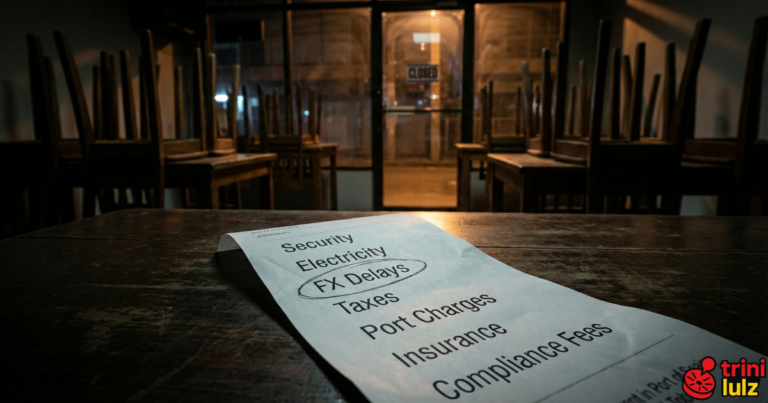
And that inconsistency is not just about marketing. It is about access. MacLean said last-minute flights and ferry arrangements come too late, after people have already booked elsewhere. Rene Seepersadsingh also pointed to long-running structural problems with the airbridge and seabridge, saying the issue has gone on for decades and that Tobago needs reliable, consistent service between the islands. In February, the T&T Spirit was withdrawn from service, while the Blue Wave Harmony sustained hull damage, adding yet another chapter to Tobago’s transport drama.
So what was the plan before?
The previous government clearly believed Tobago needed scale.
That is why it pushed two major ideas that were supposed to change the island’s tourism future: the Sandals project and the expanded ANR Robinson International Airport terminal. The airport push was especially ambitious. Reporting in 2025 and 2026 described the new terminal as a gateway for Tobago to attract more direct long-haul flights, with a design capacity of up to three million passengers annually. Farley Augustine said in March 2026 that the terminal could open in time for Tobago Carnival, while also noting that about 37,500 people, mostly Trinidadians, visited the 2025 festival.
Read that again slowly.
Tobago built the hardware for a more international future, yet even one of its biggest recent success stories, Tobago Carnival, was still driven mostly by Trinidadians. That is not necessarily a bad thing. Domestic tourism matters. Hackett herself said it should not be discounted. But it does show the island is still leaning heavily on the same market it keeps pretending is only part of the story.
There is also a deeper Caribbean problem: many small island states rely on tourism for resilience, but struggle with economic leakage, policy vulnerability and an uneasy dependence on large outside players. In that context, Tobago’s situation looks less like a unique accident and more like a familiar Caribbean trap.
Did Tobago chase away one of its own chances?
Now we get to the question guaranteed to start argument in every rum shop, WhatsApp group and Facebook comment section.
Sandals.
The proposed Sandals resort at Golden Grove, Buccoo Estate, faced intense opposition, especially over concerns about environmental damage to the Bon Accord Lagoon and mangrove wetlands. Those were not silly concerns. They were real, serious and worth debating. The project was a disputed controversy between ecological risk and the projected creation of 2,000 local jobs.
But here is the part Tobago still has not fully come to terms with: Sandals did not just vanish into thin air. In January 2019, Sandals CEO Gebhard Rainer said the company withdrew because of constant negative publicity and media coverage surrounding the project. Keith Rowley later said plainly, “We chased Sandals away.”
“Tobago wanted world-class tourism money, but not the quarrel that comes with world-class tourism deals.”
So the hard question is not whether Tobagonians had the right to object. Of course they did.
The hard question is this: if Tobago says no to large-scale foreign investment, what is the alternative model that will fill rooms in June, September and November, not just Easter and long weekends? Because “thanks, Trinis” cannot be the whole national development strategy.
Tobago cannot keep living on holiday adrenaline
This is where the article lands.
Tobago’s tourism economy is being kept afloat, over and over again, by Trinidadians. That is not an insult. It is a fact, and Tobago’s own officials now say it out loud. But gratitude is not strategy. A beach packed with Trinis for Easter does not solve weak off-season occupancy. A shiny airport terminal does not magically create international demand. And rejecting major projects without building a credible substitute plan does not count as vision.
If Tobago truly wants to become a serious international destination, it has to decide what it actually wants.
Does it want boutique eco-tourism with strong local ownership? Then scale it properly.
Does it want major international brands and foreign airlift? Then stop acting shocked when big investors demand certainty.
Does it want to keep relying on Trinidadian traffic? Then be honest that domestic tourism is not the backup plan. It is the main plan.
Right now, Tobago looks full for Easter and empty for too much of the rest.
And that is why the question stings so much: if Trinis keep the island alive, did Tobago help chase away part of its own tourism future?