Jamaica’s Day of Reckoning: Hurricane Melissa Leaves the Island Scarred
A storm unlike any other
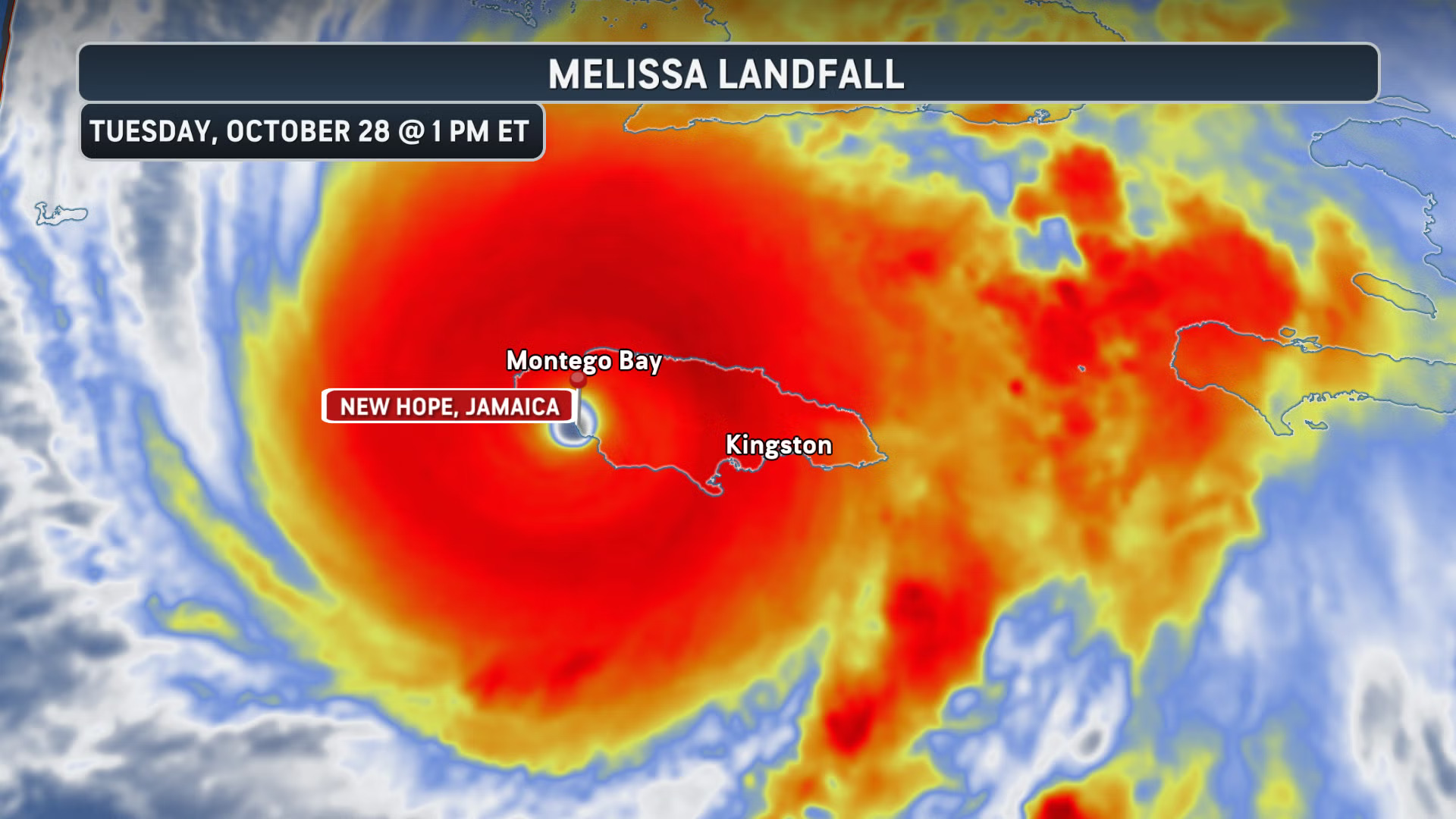
When Hurricane Melissa made landfall in Jamaica, it wasn’t just “another hurricane”. It struck with sustained winds up to 185 mph (295 km/h), landing as a Category 5 storm, which makes it the strongest on record ever to hit Jamaica.
The location of impact was near New Hope, in the parish of Westmoreland, in the southwestern part of the island.
Authorities warned of catastrophic flooding, landslides and storm-surge ahead of the storm’s arrival.
The damage tally and what we know so far
Infrastructure and power
- More than 500,000 residents were left without power in the wake of Melissa.
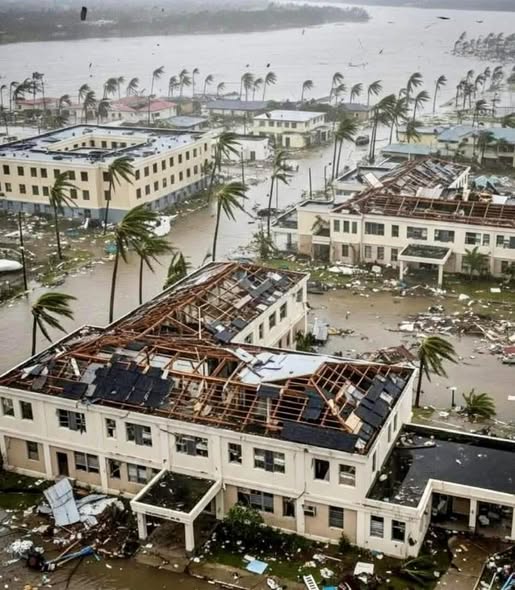
- The hospital in Black River (St. Elizabeth parish) lost its roof and was left without power, a stark sign of structural failure.
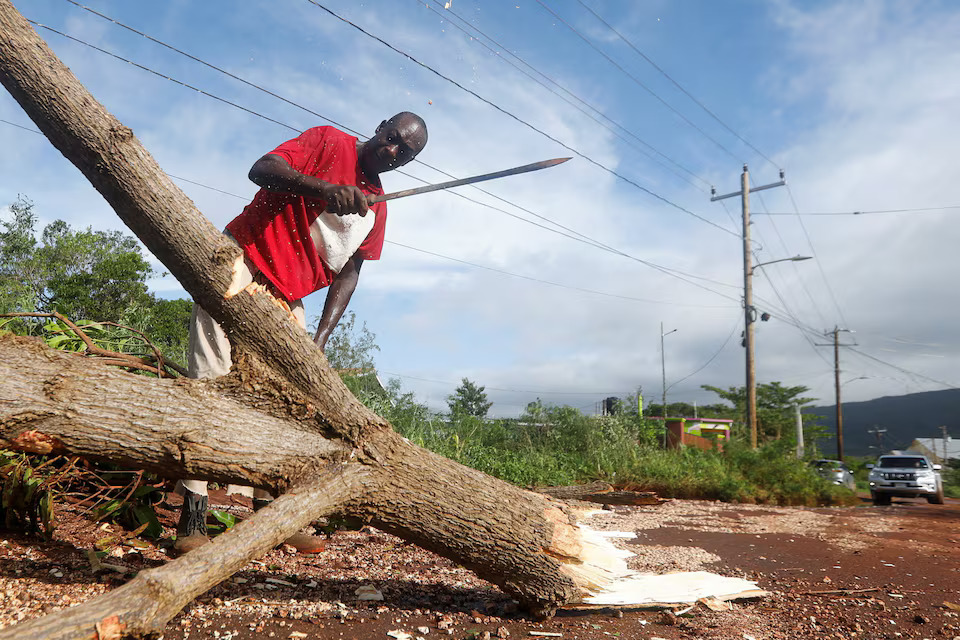
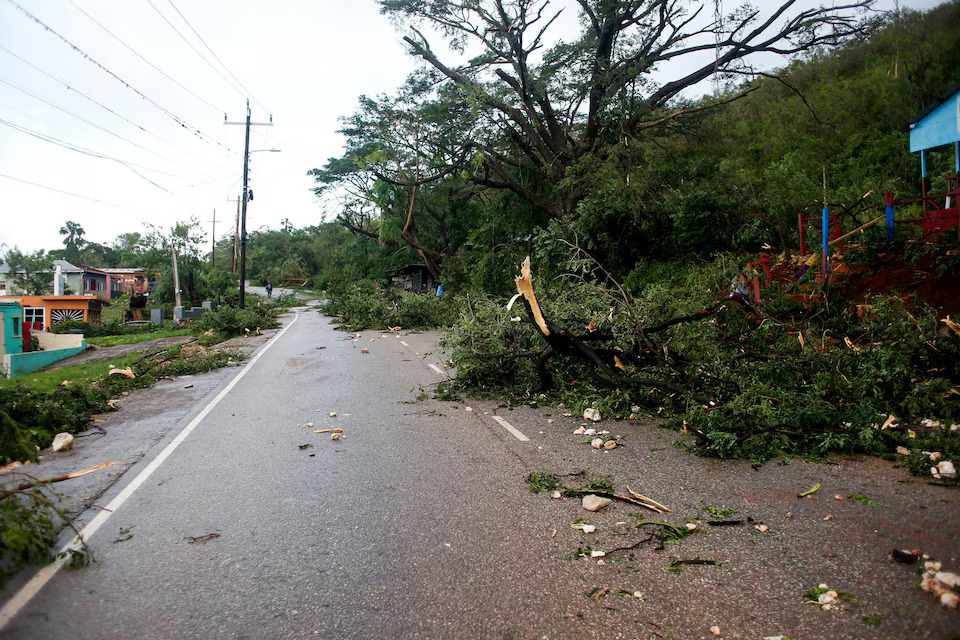
- Roads are blocked by landslides, fallen trees and utility poles; in St. Elizabeth parish entire communities have been described as “underwater”.
- Prime Minister Andrew Holness declared the situation “serious damage and total devastation” in the south-west.

Flooding, landslides & communities under siege
- The parish of St. Elizabeth has been particularly hard hit: officials say it is “underwater” and several villages have been decimated.
- In Mandeville, houses were submerged up to their roofs.
- The storm delivered a triple-threat: extreme wind, torrential rain (15-30 inches or more in some zones) and major storm surges.
Human cost
- Before the full landfall, three deaths and 13 injuries were reported (while people were preparing).
- The full death toll is still unclear because communication and infrastructure are deeply disrupted.
Why this matters — the bigger picture
- Jamaica’s infrastructure, built under older risk assumptions, encountered a storm of magnitude it had never faced. The PM said: “There is no infrastructure in the region that can withstand a Category 5.”
- The tourism-dependent economy faces a daunting recovery: resorts, hotels and coastal businesses were exposed. The damage to power, transport and services threatens both short-term life support and long-term economic stability.
- This event underscores climate risk for the whole Caribbean. The region must rethink preparedness for storms that surpass historic norms.
What comes next
Immediate recovery priorities
- Clearing roads, restoring power and enabling access to remote communities are urgent. Without transport and power, relief supplies cannot reach where they’re needed.
- Shelter, clean water, and sanitation are priorities — especially where homes are damaged or destroyed.
- Agriculture and food security will require attention: flooding and wind damage threaten crops and livestock in vulnerable parishes.
Longer-term considerations
- Resiliency upgrades: new building codes, stronger power grids, flood defences and early warning systems must be faster, smarter.
- Community-based disaster planning: local knowledge, fast evacuation routes and shelter readiness matter.
- Economic diversification: reliance on tourism plus agriculture exposes Jamaica to compound risks; stronger local resilience builds buffer zones.
“When roofs were ripped off hospitals and whole villages went underwater — this wasn’t ‘just another storm’. Jamaica got hit by a beast named Melissa.”
See our earlier Melissa storm-series piece here.
For full global context on the 2025 Atlantic hurricane season, see the authoritative summary at the National Hurricane Center.