Kamla’s Mega Revitalisation Blueprint: The Daring Plan That Could Transform or Bankrupt T&T
A new dawn? The “Revitalisation Blueprint” takes centre-stage
Trinidad and Tobago might soon be living its own episode of Extreme Makeover: Island Edition.
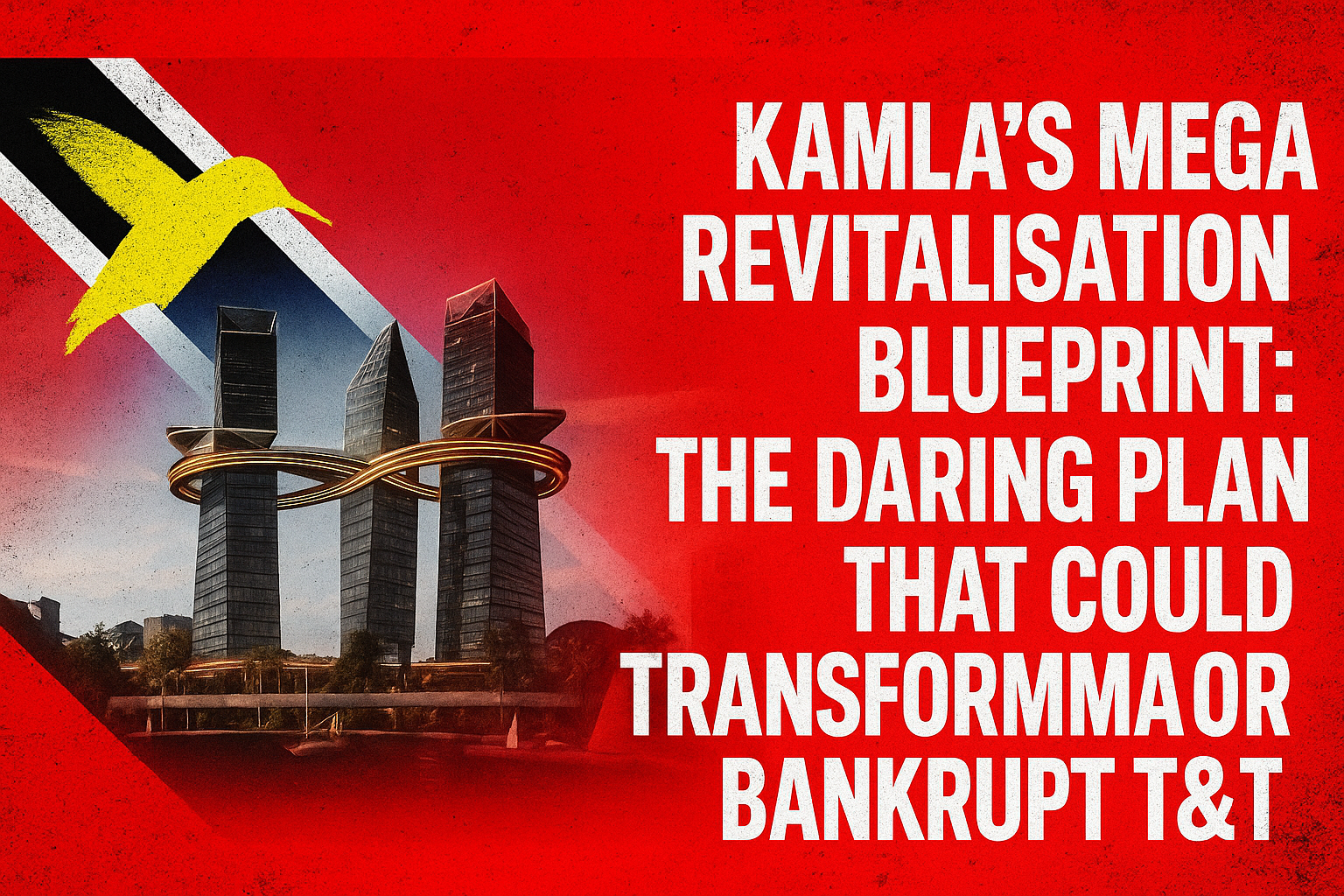
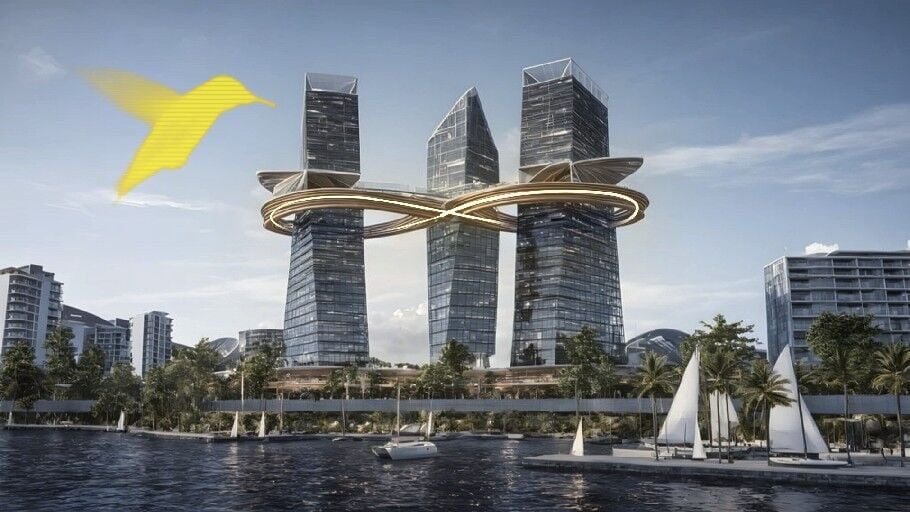
Prime Minister Kamla Persad-Bissessar has unveiled what she’s calling the Mega Revitalisation Blueprint — a sweeping, billion-dollar plan promising 50,000 jobs, futuristic waterfronts, luxury marinas, and even a five-star resort where convicted criminals once did hard labour.
It’s daring, ambitious, and dripping with optimism. But here’s the catch: if it fails, it could also be the most expensive economic faceplant in our history.
The question now is whether this blueprint will transform Trinidad and Tobago into the Caribbean’s comeback story—or bankrupt us trying.
“If we work hard, all goes well … by August 2026 projects will have started.” — Works Minister Jearlean John
But as the nerd in me flags: big promises are easy; implementation is the hard part. Let’s walk through what’s being promised—and where the risk lies.
What the blueprint actually includes
1. Infrastructure explosion
- 129 construction projects noted in the launch.
- Major redevelopments:
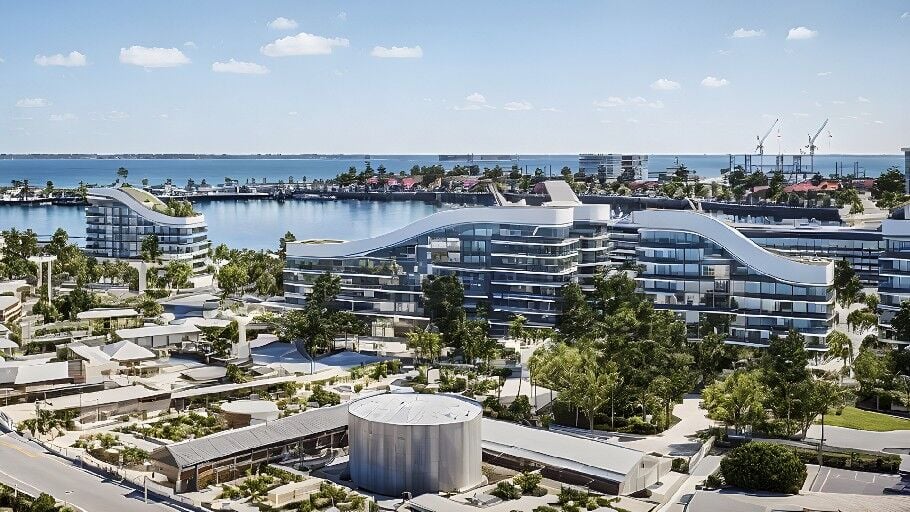
- Waterfronts in Port of Spain and San Fernando.
- A 100-mile highway from San Fernando extending toward Mayaro (south-east coast).
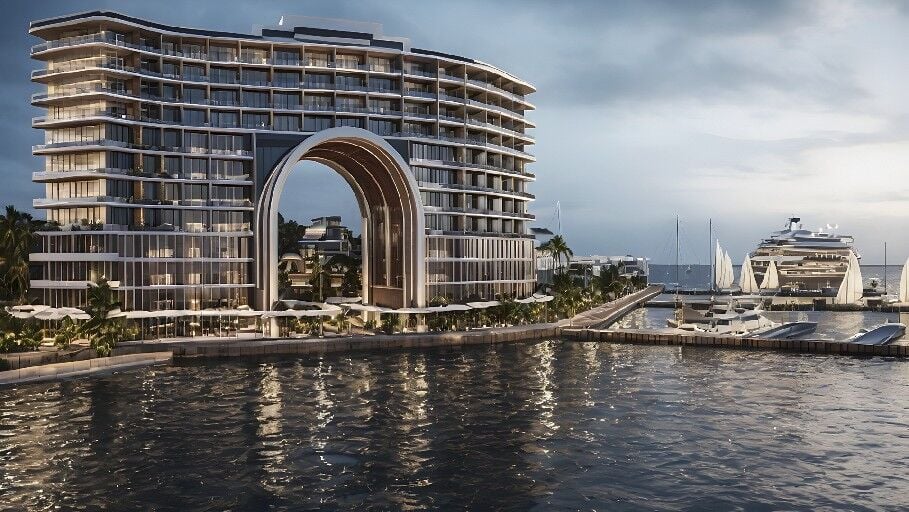
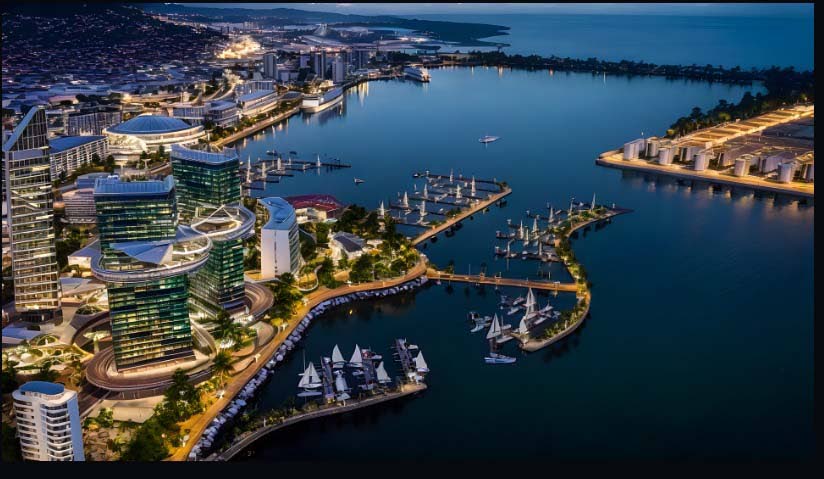
- At Invaders Bay: 40 acres reclaimed, four five-star hotels, 400-berth marina, convention centre.
2. Job creation & timeline
- The government expects 50,919 jobs tied to this plan eventually.
- Ground-breaking projected around mid-2026; full transformation by 2035.
3. Justice & prison-campus overhaul
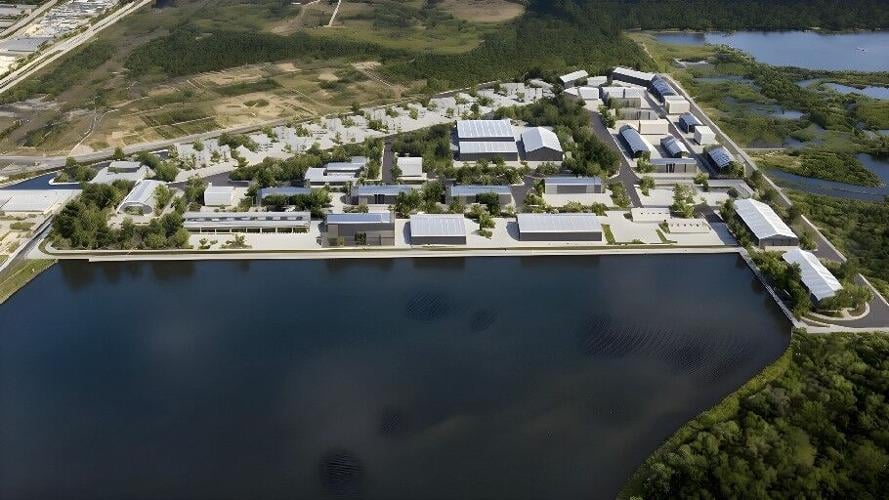
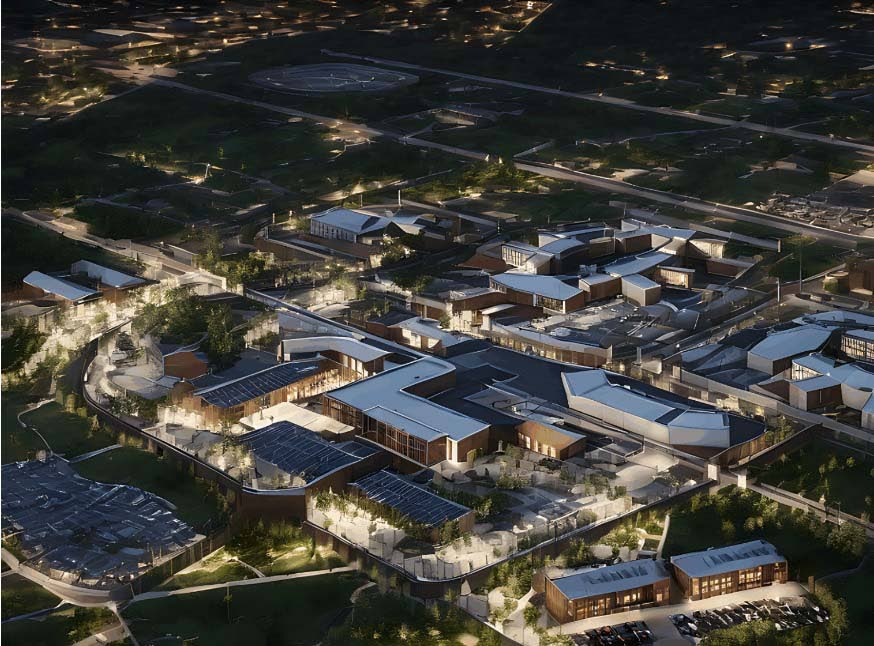
- All correctional and training facilities in T&T to be consolidated on a 500-acre site in Tamana (the “Tamana Prison Campus”) housing ~6,000 inmates.
- The historic prisons:
- Port of Spain Prison → exhibition/event hall for arts, classrooms.
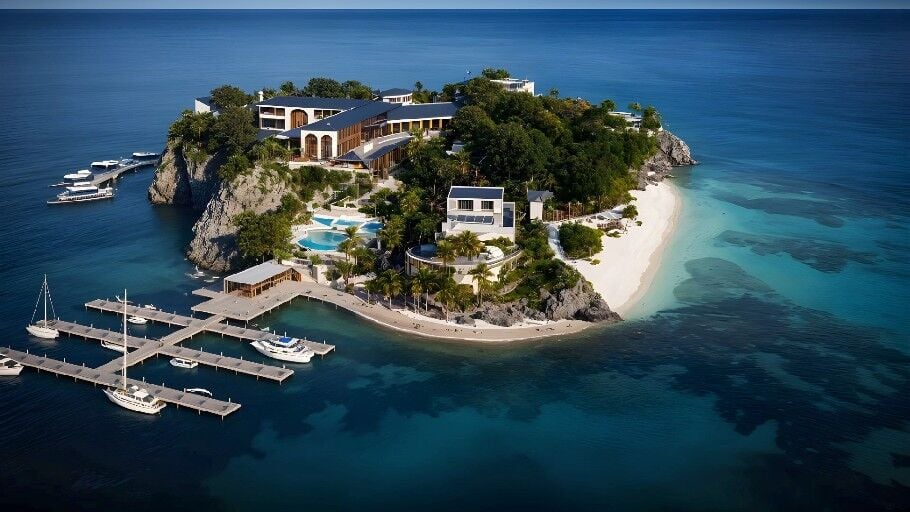
- Carrera Island Prison → 75-room luxury resort (“Isla Carrera”).
- Golden Grove Prison land → housing (single-family, townhouses, high-rise).
4. National security and modernisation
- A new “National Security Campus” at Mt Hope unifying police, customs, immigration and Coast Guard.
- Purpose: “security reimagined, a unified force for a safer tomorrow.”
Why this could matter
- Diversification: PM Persad-Bissessar flagged that T&T has “too often” talked about diversification without real action.
- Employment boost: Tens of thousands of jobs at a time when global energy transitions/macro-economics make the old oil/gas model less reliable.
- Urban & coastal renewal: Waterfronts, mixed-use housing, tourism unique developments (Carrera Island resort) could open new revenue and quality-of-life streams.
- Justice link to development: Consolidating prisons, redirecting old sites to economic uses—this kind of “carrot + reform” angle is interesting and less common in our discourse.
Big caution flags (because we stay nerd-wise)
- Timeline risks: “Ground-breaking mid-2026” is ambitious. Large infrastructure often slips.
- Financing & budget discipline: Launching many mega-projects means large CAPEX, hence risk if oil/gas revenues or budgets get pressured.
- Yet, curiously, none of these “Revitalisation Blueprint” projects were actually detailed in the recent 2026 national budget—a budget that was overflowing with good news headlines but light on hard allocations. Read our full breakdown of the 2026 Budget here.
- Déjà vu all over again: For long-time policy watchers, this blueprint sounds suspiciously familiar. The glossy promises of diversification, new industries, and “global competitiveness” echo the same language used in Vision 2020 and later Vision 2030—both of which delivered plenty of documents, committees, and ribbon cuttings… but very mixed real-world results. It’s the same dream, just wrapped in shinier renderings and bigger numbers.
- Execution capacity: T&T has had past infrastructure plans (e.g., Vision 2020) with mixed success. Institutional capacity and procurement robustness will matter a lot.
- Social inclusion/impact: Big developments often leave some behind. The blueprint must match workers, training and local linkages for the promised job numbers to be real.
- Environmental and community effects: Waterfronts, road corridors, large tourist developments can bring environmental trade-offs (especially in coastal/riverfront zones).
- Transformation vs just “urban wash”: Will this be meaningful change for everyday citizens, or just big landmarks while systemic issues persist (crime, public services, inequality)?
What to track in the coming 12 months
- Publication of Requests for Proposals (RFPs) for major packages
- First contracts awarded & jobs beginning in 2026.
- Budget line items/appropriations in next fiscal showing funding for these projects.
- Social programmes: training, apprenticeships tied to the jobs promises.
- Changes in prisons: build-up of Tamana campus plans, phasing out old sites.
- Governance/oversight: Does the government publish quarterly reports on progress, delays, cost-overruns?
- Community feedback: Are neighbourhoods (especially in Port of Spain/San Fernando) seeing real improvements, or just chorus of “coming soon”?
The human story: What this means for YOU and ME
If this blueprint works:
- A carpenter, electrician or plumber might find new opportunities on major waterfront/housing projects.
- A young person might land a job in the justice-centre campus (training, agriculture module, etc.).
- A homeowner in San Fernando might see waterfront revitalisation, better public spaces, cafés near the bay.
- The image of T&T could shift from “small fossil-fuel economy” to “mixed tourism-services-innovation hub”.
If it doesn’t click:
- Big promises may breed cynicism (again).
- Communities may see construction sprawl but little lasting benefit.
- Cost overruns, delays or half-built projects may drain public finances.
- The risk of stranded assets if tourism or residential markets don’t support ultra-luxury developments (e.g., the resort on Carrera Island).
Final thought: Ambition is good—but follow-through is everything
T&T’s Revitalisation Blueprint is bold. It may indeed mark a turning point if executed well. But ambitious plans are not uncommon; what matters is delivery, governance, inclusion, and sustainability. As your nerdy ally, I’ll keep watching these indicators: RFPs, contracts, jobs, community impact. If you like, I can dig up the full list of the 129 projects and map which ones are “early wins” vs long-term.
This story is part of our wider Trinidad Politics Explained coverage. Explore the full hub for political analysis, key background, major controversies, and the latest updates.