Pirates of the Caribbean: How a Seized Venezuelan Tanker Turned Our Sea Into Trump’s Sanctions Playground
The Day the Caribbean Timeline Suddenly Turned Hollywood
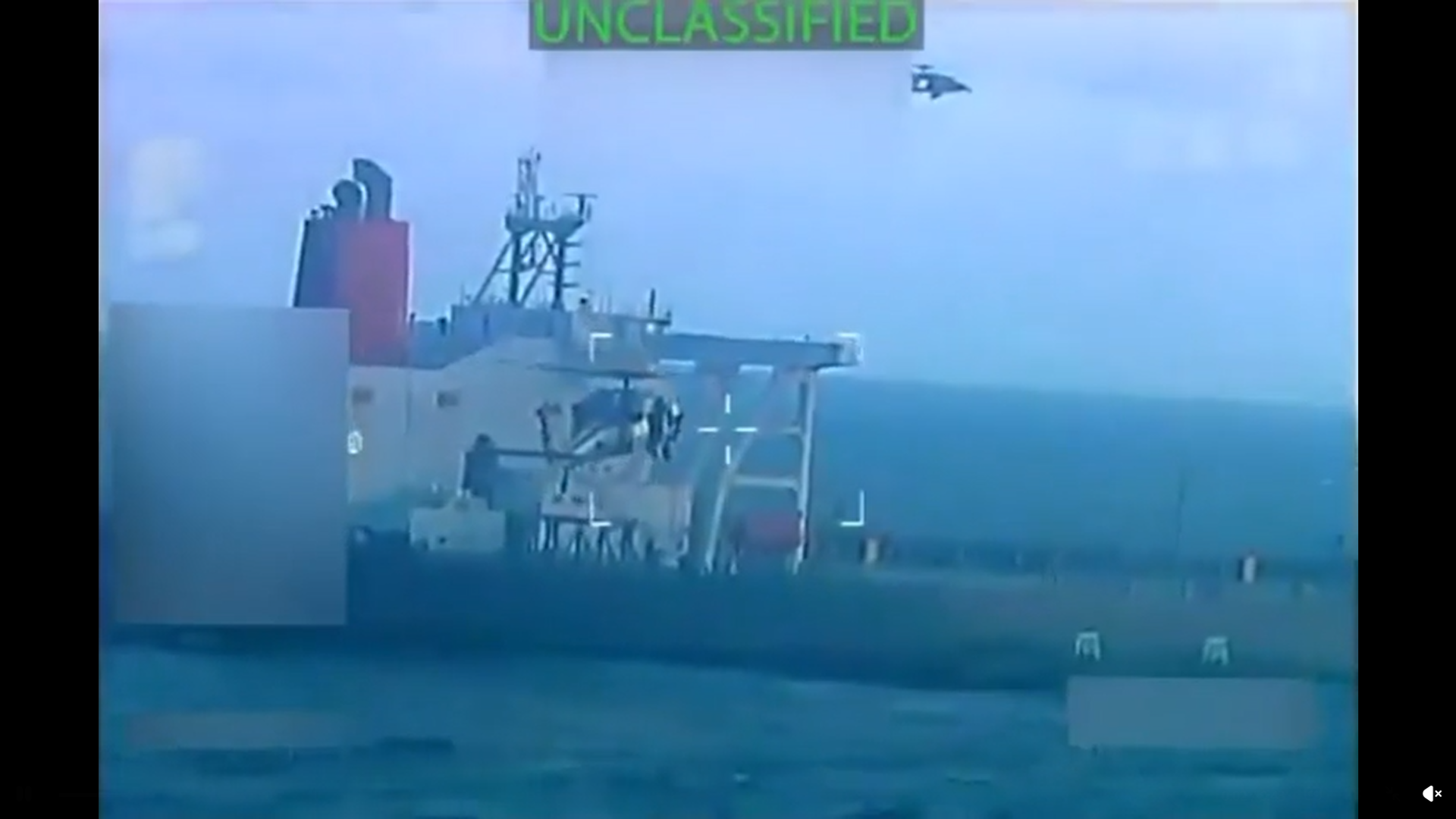
The viral video looked like something straight out of a Fast & Furious spin-off — helicopters slicing across blue Caribbean skies, U.S. forces fast-roping onto an oil tanker the size of a small island, and dramatic music blasting over the clip. But this wasn’t movie magic. This was a real-life raid on the Skipper, the seized Venezuelan tanker now at the centre of a geopolitical tug-of-war stretching from Washington to Caracas to Georgetown — with the Caribbean smack in the middle of the script.
For Trinidad, Guyana, and anyone who spends time on these waters, the question wasn’t “why this happen?” It was “which part of the Caribbean they filming this?” Because for the first time since the Nabarima scare, the region’s calm blue has started to feel like contested territory.
“One minute the Caribbean is sunsets and catamarans. The next minute it’s U.S. troops rappelling onto a VLCC. Same sea — new season.”
The Skipper incident wasn’t random. It was deliberate, dangerous, and a preview of a storm the Caribbean is now sailing into.
Meet Skipper: The Tanker With More Fake IDs Than a UWI Fresher
To understand how the seized Venezuelan tanker ended up starring in America’s latest sanctions blockbuster, you have to know its backstory.
The Skipper, previously known by multiple names, is part of what analysts call the “shadow fleet” — a collection of aging supertankers with questionable paperwork, spoofed GPS locations, and the kind of operational secrecy normally reserved for people who owe loan sharks. These ships move sanctioned Venezuelan and Iranian crude across the world, often in the dead of night, and often using flags of convenience.
Except this time, the Skipper wasn’t just using a convenient flag — it was using a fake Guyana flag, prompting Georgetown to announce (with mild embarrassment) that the vessel had absolutely nothing to do with them.
The ship reportedly loaded between 1.1 and 2 million barrels of Venezuelan crude at Puerto José, destined for Cuba. U.S. officials already had it under sanctions, alleging links to networks tied to Iranian groups and illicit financing routes. In short — America had been watching this tanker for a long time.
“The tanker had several aliases — new names, new flags, same oil.”
And once the Skipper sailed beyond Venezuelan waters, the U.S. made its move.
Piracy or Policing? Depends Which Coast Guard You Ask
Here’s where the bacchanal truly starts.
Washington’s version:
They executed a lawful sanctions operation to prevent the sale of sanctioned crude, disrupt illicit financing networks, and enforce international security commitments. In other words: “We are the sheriff.”
Caracas’ version:
The U.S. committed international piracy, illegally seized Venezuelan property, violated sovereignty, and is escalating toward an oil blockade. In other words: “The sheriff is the bandit.”
Guyana’s version:
“Please stop using our flag for bacchanal. We did not sign up for this episode.”
Same event. Three completely different Caribbean soap operas.
The seizure wasn’t quiet or subtle. It was dramatic — intentionally so. A show of force. A message.
And a warning to every other sanctioned tanker still floating around Venezuelan waters.
The Nabarima Trauma & Tobago Jet Mystery: The Caribbean Has Seen This Movie Before
If the region feels jumpy, there’s history behind it.
In 2020, the Caribbean held its breath as the FSO Nabarima, filled with 1.3 million barrels of crude, leaned dangerously in the Gulf of Paria. For weeks, Trinidadians wondered whether a single storm could wipe out our fisheries, beaches, and tourism with one catastrophic spill.
That anxiety never truly left.
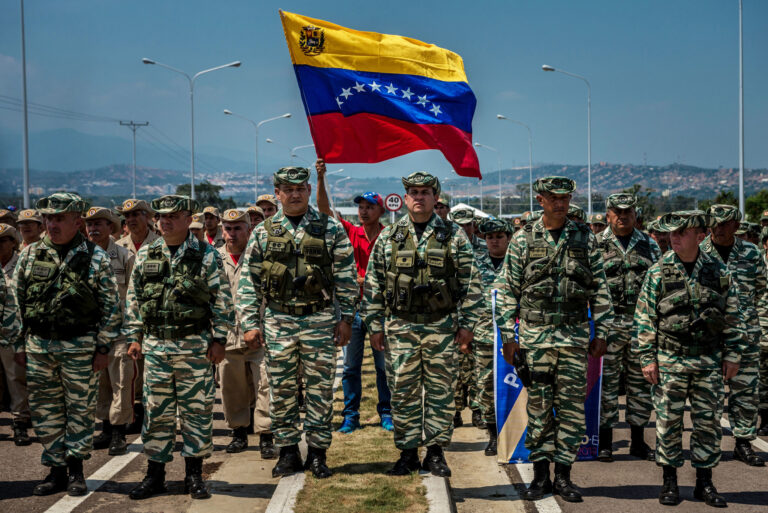
Fast-forward to 2025 — and the Caribbean isn’t just afraid of rust buckets anymore. It’s watching militarised oil politics unfold in waters fishermen use daily.
The mystery landing of a U.S. warplane in Tobago recently only amplified the unease — a sign that the Caribbean is becoming a quiet stage for somebody else’s geopolitical theatre.
Read that full breakdown here:
👉 The US warplane in Tobago
Now add helicopter raids on oil tankers to the script, and suddenly the entire region feels like the establishing shot of a larger conflict.
Operation Southern Spear: When Anti-Drug Missions Become Sanctions Enforcers
What happened to Skipper didn’t emerge from thin air. It’s part of a broader U.S. operation known as Operation Southern Spear — publicly framed as a crackdown on “narco-terrorist networks” in the Caribbean.
But the mission has quietly evolved.
The same naval presence once used for drug interdiction is now being used to intercept sanctioned crude shipments, enforce oil embargoes, and apply pressure to the Maduro government.
According to international reporting, the U.S. has steadily expanded these maritime operations across Latin America and the Caribbean, raising serious questions about how far sanctions enforcement can reach into regional waters.
👉 External link: Al Jazeera: Analysis of U.S. seizure operations targeting Venezuelan oil
This shift matters because it blurs the line between counter-narcotics, counter-terrorism, and economic warfare. What starts as a drug mission can end with the seizure of a million barrels of crude — and the Caribbean becomes the enforcement zone in the middle.
Thirty More Tankers Waiting Like Sitting Ducks
Here’s the part of the story nobody in the region should ignore.
Experts say there are over 30 other sanctioned tankers sitting in or near Venezuelan waters. Many belong to the same shadow fleet. Many are carrying sanctioned crude. And now they know the U.S. is willing to physically board and seize ships.
That means:
- More helicopter raids could happen.
- More confrontations could unfold in regional waters.
- Oil markets could react.
- Maritime insurers could panic.
- And the Caribbean becomes the chessboard, whether we asked for this match or not.
“When superpowers play oil chess, small islands end up as the pawns.”
The Caribbean is no longer a spectator — it’s a location.
What This Means for Trinidad, Guyana, and Everyone Else in the Region
For Guyana:
It exposes how easily someone can impersonate a country at sea. Expect Georgetown to tighten flag registration and demand more international respect for its maritime identity — especially as it becomes a major global oil exporter.
For Trinidad & Tobago:
We sit closer to Venezuela than San Fernando sits to Port of Spain. Our fishermen, supply vessels, and offshore rigs operate in waters now patrolled by U.S. cutters, Venezuelan gunboats, and sanctioned supertankers.
One bad decision, one misidentification, one accidental collision — and we could face an environmental or diplomatic disaster.
For the Wider Caribbean:
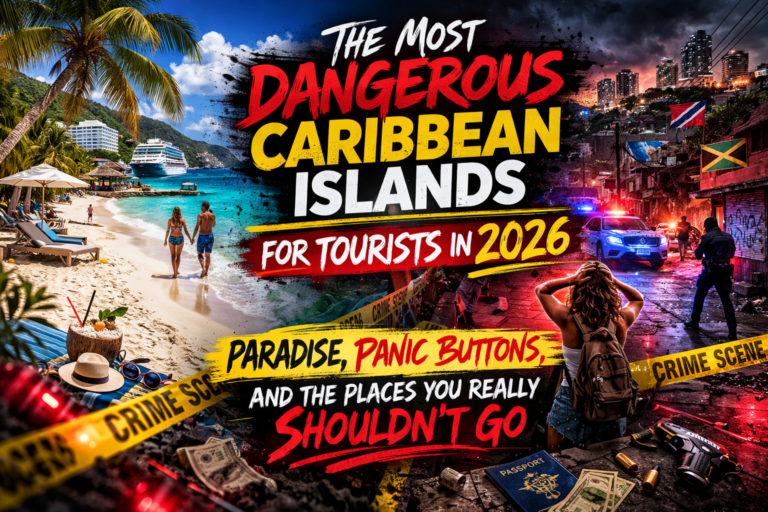
Tourism, cruise ships, regional trade routes, yachting channels, and maritime insurance all depend on stability. Militarisation is the opposite of that.
When tourists start asking, “Is the Caribbean safe from tanker wars?” you know we’re in trouble.
Who Protecting the Caribbean in All of This?
As the dust settles on the seized Venezuelan tanker, one question hangs heavy over the region:
Who is defending Caribbean interests in this global showdown?
The U.S. is protecting its sanctions regime.
Venezuela is defending its oil lifeline.
Guyana is defending its reputation.
Cuba is defending its fuel supply.
But what about CARICOM? Trinidad? Barbados? Jamaica?
Who is defending the region’s waters, economies, fishers, and future?
The Caribbean cannot afford to be a silent spectator while naval operations, oil seizures, and geopolitical power plays turn our sea into contested space.
Because today it’s the Skipper.
Tomorrow it could be another tanker — or a vessel headed somewhere a lot closer to home.
This story is part of our wider Caribbean Geopolitics & Global Affairs coverage. Explore the full hub for regional security updates, diplomacy, migration, energy politics, and deeper analysis of how global power plays shape Caribbean realities.