FIFTH TANKER SEIZED NEAR TRINIDAD: IS THIS SANCTIONS… OR A NEW OIL “TOLL BOOTH”?
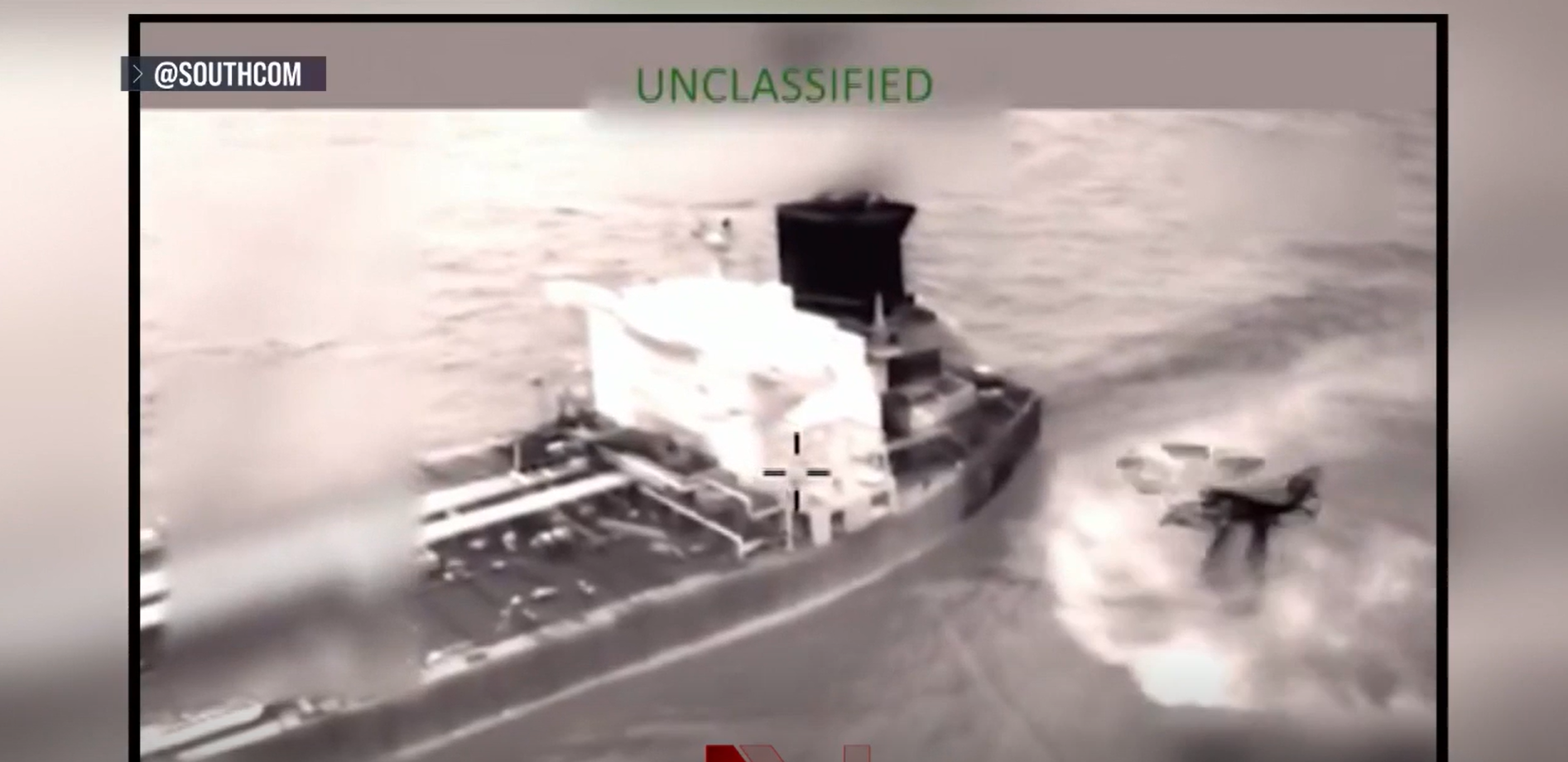
For the fifth time in recent months, a Venezuelan oil tanker has been intercepted and seized by the United States — and once again, it happened near Trinidad and Tobago.
Not in the Persian Gulf.
Not off China.
Not in some distant war zone.
Right here. In the Caribbean. In our neighbourhood.
According to Reuters, the tanker — linked to Venezuela’s oil trade — was boarded in a pre-dawn operation by U.S. forces and handed over to the United States Coast Guard. The vessel was allegedly operating as part of Venezuela’s shadow oil network, attempting to move crude in defiance of U.S. sanctions.
This wasn’t an accident.
This wasn’t random.
This was the fifth tanker seized — and patterns matter.
FROM SANCTIONS TO SEA CONTROL
Sanctions are supposed to work quietly: paperwork, banks, blocked transactions, frozen accounts.
What we are watching now is something louder.
Tankers are being stopped at sea. Oil is being physically taken. Cargo worth millions disappears overnight, not because a cheque bounced, but because a warship showed up.
The message is blunt:
You can pump oil. But you cannot move it unless we allow it.
This is not just about law enforcement. It is about leverage.
Oil is Venezuela’s lifeline. It funds the state, pays salaries, keeps the lights on. Every tanker that disappears is not just lost revenue — it is pressure, applied deliberately, in public, and increasingly close to Trinidad and Tobago’s maritime space.
WHY TRINIDAD KEEPS SHOWING UP IN THE STORY
Geography is destiny, especially for small islands.
Trinidad and Tobago sits right along the natural maritime routes between Venezuela and the wider Atlantic energy market. Any tanker leaving Venezuelan waters must pass somewhere. Increasingly, that “somewhere” is near us.
This isn’t the first time Trinidad and Tobago has found itself uncomfortably close to U.S. military operations and speculation about expanded American reach in the southern Caribbean. In fact, long before these tanker seizures, questions were already being asked about Tobago’s strategic role and persistent rumours of U.S. military interest in the island — rumours that refuse to disappear even when officials stay silent.
That raises uncomfortable questions.
What does it mean when global powers are conducting military-backed seizures just off our coast?
How exposed are we if tensions escalate?
And how long before “near Trinidad” becomes “involving Trinidad,” whether we like it or not?
This isn’t about accusing anyone locally. It’s about reality. When elephants fight, the grass doesn’t get consulted.
THE REAL STRATEGY: CONTROL THE EXIT, NOT THE WELL
The U.S. isn’t trying to shut down Venezuelan oil production. That would be unrealistic.
Instead, it is doing something far more effective: controlling the exits.
You can pump oil all day. If you cannot sell it, ship it, insure it, or unload it, the oil becomes useless. Seizing tankers sends a message not just to Caracas, but to every shipping company, insurer, and middleman watching closely.
Deal with Venezuelan crude, and you might lose the ship too.
That is how pressure works in 2026. No invasion. No declaration of war. Just economic suffocation — enforced by patrol boats and legal paperwork.
SANCTIONS… OR A MARITIME TOLL BOOTH?
Supporters of the seizures will argue this is lawful sanctions enforcement. Critics call it coercion. Some foreign governments have gone further, openly describing similar actions as piracy.
From the Caribbean perspective, it can feel like something simpler:
A toll booth has been set up on the sea lanes.
And Venezuela is being told it can’t pass without permission.
Whether you see that as justice or muscle-flexing probably depends on where you’re standing — Washington, Caracas, or Port of Spain.
THE BOTTOM LINE FOR TRINIDAD & TOBAGO
This is no longer a distant geopolitical chess match.
Five tankers.
Multiple seizures.
Repeated operations near our shores.
The Caribbean is no longer just a transit zone for trade and tourism. It is becoming an active pressure point in global power struggles.
And Trinidad and Tobago, by nothing more than geography, keeps ending up front-row.
Today it’s a tanker.
Tomorrow it could be something bigger.
“When the U.S. wants Venezuela to cooperate, it doesn’t negotiate first — it intercepts the invoice at sea.”
This story is part of our wider Caribbean Geopolitics & Global Affairs coverage. Explore the full hub for regional security updates, diplomacy, migration, energy politics, and deeper analysis of how global power plays shape Caribbean realities.