Joshua Samaroo, Kaia Sealey and the Case That Shook Trinidad: What We Know So Far About the Shooting, the Charges and the Protest Arrests
Trinidad has seen plenty crime stories. Plenty police stories. Plenty “wait for the investigation” stories.
But the Joshua Samaroo Kaia Sealey case has landed differently.
A man is dead. A woman is paralysed. A family is grieving. A police shooting video went viral. The public demanded answers. Then came the plot twist that sent the country straight back into argument mode: Kaia Sealey, widely reported in media as Kaia Sealy, the woman left badly injured in the same police-involved shooting that killed Joshua Samaroo, was now facing charges linked to his death.
And now, the story has widened even further — with new arrests involving protest organisers and even Joshua Samaroo’s father, adding another layer of tension to an already volatile national situation.
If this sounds like a movie script, it is not. It is Trinidad in real time.
And because this story has become a national firestorm, let us be clear from the beginning: this article represents what is publicly known so far from media reports, official police statements, family statements, protest coverage and public commentary. It is not a court finding. It will be updated as new verified information becomes available.
Joshua Samaroo Kaia Sealey: The Human Story Before the Headlines
Before the country knew the case by hashtags, videos, protest chants and courtroom questions, there were two people at the centre of it.
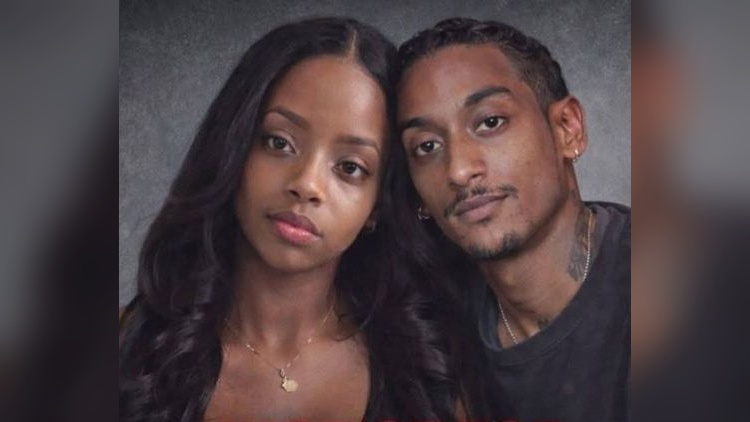
Joshua Samaroo was reported as a 31-year-old man whose family described him as hard-working, family-centred, and deeply connected to his loved ones. Public reports said he was a courier and a father. His relatives spoke of him not as a headline, not as a file number, but as a son, brother, partner and father whose death ripped through their family.
One detail from the family’s public comments especially stood out: Joshua’s bond with his visually impaired twin brother Caleb. According to reports, Caleb depended heavily on Joshua, and the family described Joshua as someone who helped care for him, guided him and supported him.
That is the part crime headlines often flatten. Behind every “police-involved shooting” is somebody’s kitchen table, somebody’s child, somebody’s brother who is now missing from the house.
Kaia Sealey was reported as Joshua’s common-law partner. She survived the incident but was left with life-changing injuries. Her story would later become even more complicated after police announced warrants and charges against her. But before any charge sheet, she was publicly known as the woman who was in the car with Joshua and who came out of the incident paralysed.
And that is why the case gripped Trinidad. Because for many people, it began with a simple emotional reaction: one person died, one person survived with devastating injuries, and the country wanted to know what really happened.
January 20, 2026: The Chase, the Crash and the Shooting
The incident reportedly took place on January 20, 2026, after what police described as a high-speed chase that moved from the Maloney area and ended in St Augustine.
According to public reporting, the vehicle occupied by Joshua and Kaia came to a stop near Bassie Street Extension and Dookiesingh Street in St Augustine. Police initially described the encounter as one in which officers were challenged and responded with force.
Then the CCTV footage surfaced.
And the whole country leaned forward.
Reports said the footage appeared to show Joshua with his hands visible outside the driver’s window before officers opened fire. That video became the spark that lit the national outrage.
But this is where the story becomes legally and publicly complicated. The video that circulated appeared to show the final moments of the confrontation, but it did not show everything that may have happened before. It also did not clearly settle every question about what was allegedly happening inside the vehicle, including what Kaia was allegedly doing at the time.
That gap between what the public saw and what investigators later said is the space where the entire national argument now lives.
The Video That Changed Everything
If the video had never surfaced, the Joshua Samaroo case may have gone the way many police shooting stories go: an official statement, a few days of public concern, then silence while “investigations continue.”
But the video changed the temperature.
People watched it, replayed it, slowed it down, argued over it and shared it across social media. For many, it appeared to contradict the first impression created by the police narrative. For others, especially after later discussion of slow-motion versions and possible alleged activity from the passenger side, the video did not answer every question.
And that is exactly why the case became combustible.
Trinidadians were not only debating a shooting. They were debating trust.
Trust in the police.
Trust in investigations.
Trust in the DPP process.
Trust in political leaders.
Trust in what video can and cannot prove.
In a country already exhausted by crime, police operations, emergency powers, viral outrage and political finger-pointing, this case became a national mirror. Everybody saw something different in it, but almost everybody saw a problem.
From Grief to Protest: The Streets Started Asking Questions
After the shooting, protests began. Friends, relatives and supporters demanded justice for Joshua Samaroo and Kaia Sealey. Protesters called for transparency, accountability and answers from the authorities.
The protest movement did not disappear after one march. It kept returning.
Alyssa Phillip, reported as a friend of Kaia, became one of the visible faces of the demonstrations. Protest actions took place outside key public institutions and police locations, with supporters calling for answers about the shooting and the investigation.
This is where the story moved from tragedy to movement.
Because the protests were not only about one family’s grief anymore. They became about whether ordinary citizens believe the system will explain itself when police use deadly force.
The May 21 Shock: Kaia Sealey Faces Charges
Then came the announcement that stunned the country.
In May 2026, the Trinidad and Tobago Police Service announced that, following legal advice from the Office of the Director of Public Prosecutions, warrants had been issued for Kaia Sealey.
Public reports stated that she was facing three counts of shooting with intent to cause grievous bodily harm against police officers, along with a manslaughter allegation connected to Joshua Samaroo’s death.
That was the twist nobody saw coming.
The woman many people had publicly viewed as the survivor of the shooting was now being pursued by the justice system in relation to the death of the man who died in that same incident.
Kaia Breaks Her Silence
After the charge announcement, Kaia publicly denied wrongdoing through media reports and statements attributed to her and her legal team.
She rejected the portrayal of herself as a criminal. She reportedly said she had never owned a gun and maintained that she was innocent. She also spoke about her recovery and the devastation of being accused while still dealing with life-changing injuries.
Joshua’s Family: Grief, Anger and Now Legal Trouble
Joshua Samaroo’s family has remained deeply involved in the public conversation — but recent developments have added another layer of complexity.
His father, Christopher Samaroo, who had been one of the most vocal critics of the authorities, was recently arrested during protest-related activity. Reports indicate that he was detained alongside other demonstrators during continued calls for justice and transparency.
His arrest has sparked further debate across the country.
Supporters argue that a grieving father is being criminalised for demanding answers about his son’s death. Others point to police concerns about public order and compliance with protest regulations, especially under emergency conditions.
Regardless of perspective, the image is powerful: a father who lost his son now facing the justice system while still seeking answers about how that son died.
The Protest Arrests Expand: Alyssa Phillip and Others
Just when the country was still trying to digest the charge announcement, the protest movement itself became the next story.
On May 27, 2026, a protest near the Office of the Director of Public Prosecutions in Port-of-Spain ended with arrests. Reports named protest organiser Alyssa Phillip, her mother Camille Caresquero, and social media personality Jason De Silva among those detained.
Subsequent protest actions also led to additional arrests, including the detention of Christopher Samaroo, further escalating tensions between protesters and law enforcement.
Police reportedly objected to demonstrations taking place near sensitive government offices, citing concerns including obstruction, public order and State of Emergency regulations.
Protesters and observers, however, questioned whether the police response was proportionate and whether citizens were being prevented from peacefully demanding answers.
And just like that, the story widened again.
It was no longer only Joshua and Kaia. It was now also about protest rights, policing during a State of Emergency, public frustration, and whether the same system being questioned over a shooting was now using force against those asking questions.
What We Know So Far
Based on public reporting, these are the key facts currently known:
- Joshua Samaroo was killed during a police-involved shooting on January 20, 2026.
- Kaia Sealey, his common-law partner, was also shot and survived with serious injuries, including paralysis as publicly reported.
- Police initially described the incident as involving a confrontation after a chase.
- CCTV footage later circulated publicly and appeared, according to reports, to show Joshua with his hands visible before officers opened fire.
- Police and investigators later relied on material not fully available to the public.
- In May 2026, police announced that warrants had been obtained for Kaia Sealey following advice from the DPP.
- The reported charges included shooting with intent against police officers and a manslaughter allegation connected to Joshua’s death.
- Kaia has publicly denied wrongdoing and rejected claims that she owned or used a gun.
- Joshua’s relatives have made emotional public statements, including calls for accountability.
- Alyssa Phillip and other protesters were arrested during demonstrations near the DPP’s office.
- Christopher Samaroo, Joshua’s father, was also arrested during subsequent protest activity.
What We Still Do Not Know
The public still does not know the full contents of the investigative file.
The public has not seen all forensic material.
The public has not heard all witness statements.
The public does not know exactly what evidence persuaded the DPP to advise charges.
The public has not seen the case tested in court.
The Bigger Question: Who Does Trinidad Trust?
The Joshua Samaroo Kaia Sealey case is now bigger than one video.
It is about whether Trinidadians believe police accounts when videos appear to raise questions.
It is about whether the public trusts investigations into police-involved shootings.
It is about whether families feel heard when their loved ones die in state operations.
It is about whether protest is protected or punished.
It is about whether the DPP’s independence can coexist with public demands for transparency.
Final Word: This Story Is Still Unfolding
Joshua Samaroo is dead.
Kaia Sealey is alive, paralysed, accused and defending her name.
Alyssa Phillip and other protesters have turned public frustration into street action — and now both organisers and family members, including Joshua’s father, have faced arrest.
The courts will have to determine guilt or innocence. The evidence will have to be tested. The authorities will have to answer the questions that can be answered. And the public will continue watching closely because too much has already happened in the open for this story to quietly disappear.
For now, this is what we publicly know.
And as new verified information becomes available, this article will be updated.
Because Trinidad deserves more than rumours, more than edited clips, more than press releases, and more than social media warfare.
It deserves the truth.
Want the bigger picture? Explore our Trinidad Crime & Security hub for dashboards, explainers, updates, and deeper coverage of one of the country’s most urgent ongoing stories.