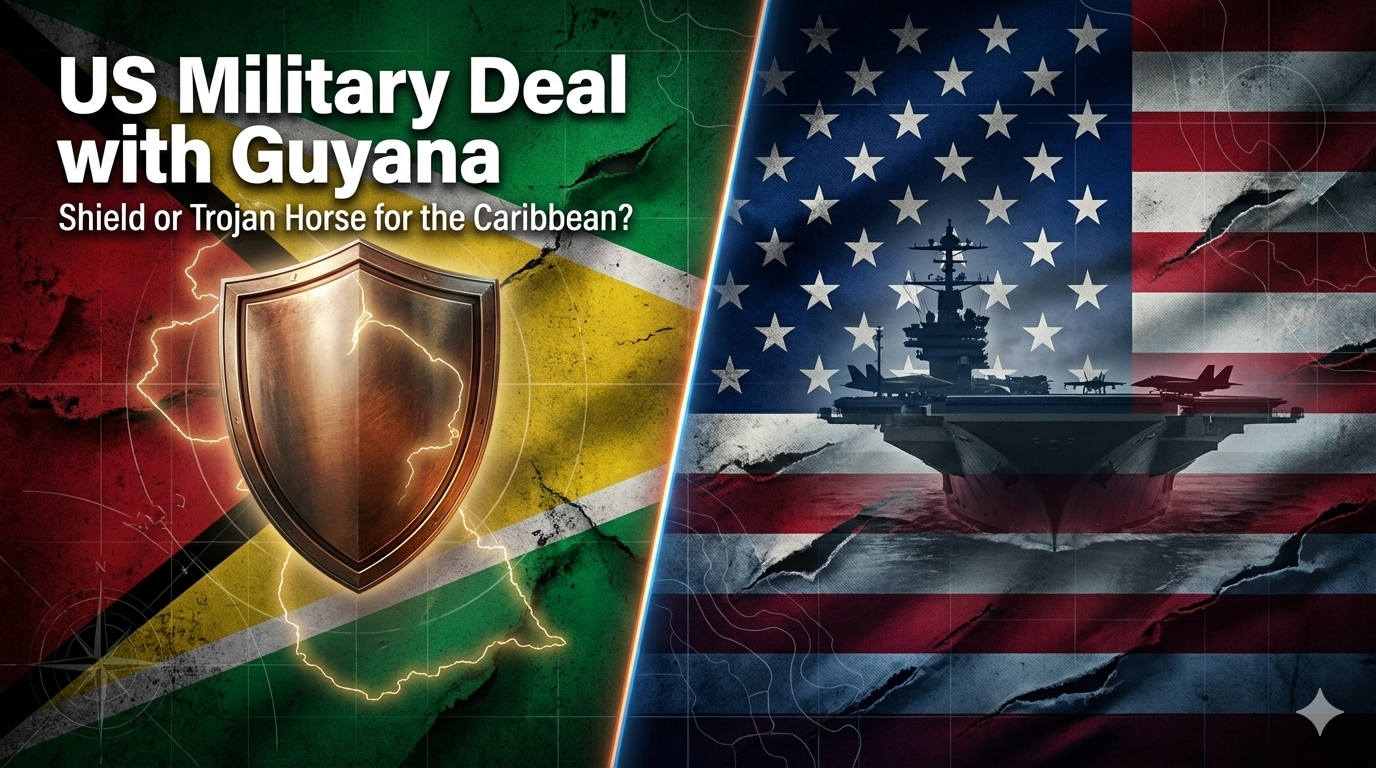
US Military Deal with Guyana: Essequibo Shield or Trojan Horse for the Caribbean?
A New Deal in Georgetown Changes the Entire Caribbean Mood
One signature. One handshake. One US Military Deal with Guyana.
Just like that, the quiet hum of Georgetown feels different. Not louder exactly, but heavier — as if a superpower just hung its jacket on the back of Guyana’s dining-room chair and plans to stay for dinner.
The Andrews brothers on the seawall arguing about football might not notice it yet, but the diplomatic ripple is already rolling across the region. From Port of Spain to Paramaribo, the question is spreading fast:
Did Guyana just buy protection, or did it invite the eagle to build a nest in its mango tree?
What Guyana Actually Signed: A “Statement of Intent” with Teeth
President Irfaan Ali met senior US defence officials and announced a Statement of Intent to expand military cooperation. On paper, it’s a friendly agreement for training, intelligence sharing, maritime operations and strategic coordination.
In reality, this is the closest the Caribbean has come in years to a formalised US security footprint inside CARICOM.
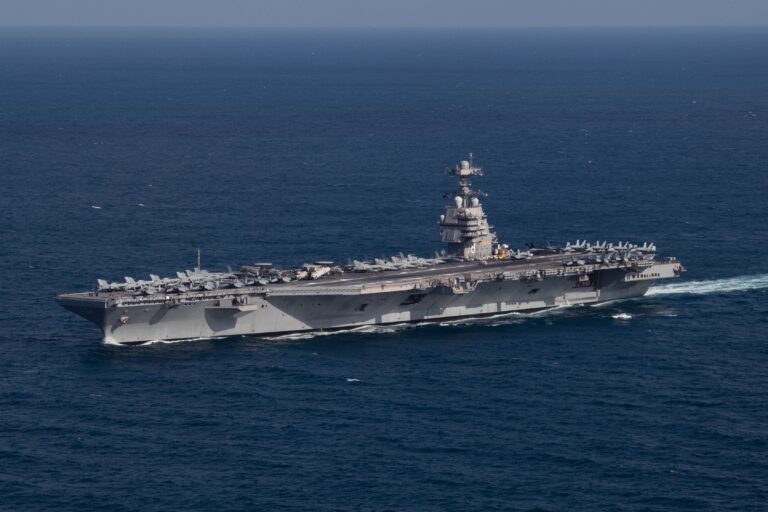
Washington frames the move as part of its Southern Spear initiative, a strategy designed to deepen security ties in the Western Hemisphere. Guyana describes it as a logical step, especially with Venezuelan naval vessels getting bold near its offshore oil blocks.
“The cooperation is meant to enhance regional security with full respect for each country’s sovereignty.” — Official US position
The arrangement also sits alongside the older Shiprider Agreement, which already allows US forces to pursue and intercept drug-trafficking vessels in Guyanese waters. But this new deal widens the gate — and widens it at a very sensitive moment.
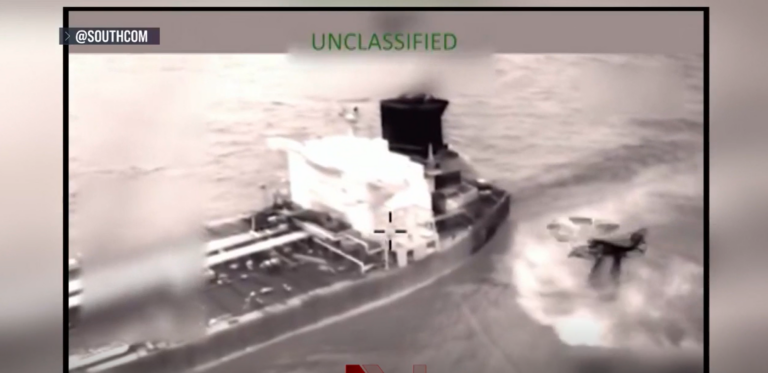
For context on how fast this region is shifting, recall the recent tanker seizure story. Add this to the trendline and the Caribbean map starting to look busy.
Why Now? Follow the Oil, Follow the Fear, Follow Essequibo
Guyana’s oil boom did more than lift GDP — it pulled global attention like a magnet dipped in iron filings. Exxon’s offshore fields are worth billions, and those platforms sit frighteningly close to the Venezuelan line of ambition.
Venezuela has revived its historic claim to two-thirds of Guyana, attempted to create new Essequibo administrative structures, and carried out naval movements near Guyana’s oil blocks. The case is before the International Court of Justice, but Maduro’s government continues to posture.
From Guyana’s perspective, the logic is cold and simple:
Small army + massive neighbour + trillion-dollar oil fields = you call your big friend.
And the US, seeing the opportunity to counter Venezuela’s alliances with Russia, Iran and China, is more than happy to answer the phone.
For additional reading on how Venezuelan tensions escalate regionally, here’s a solid neutral breakdown from Al Jazeera.
How the US Military Deal with Guyana Becomes a “Shield”
Let’s be fair. There are strong arguments in favour of the agreement.
Guyana cannot defend its airspace, coastline or offshore rigs on its own. A partnership with Washington brings:
- Better maritime patrols
- Intelligence support
- Stabilising presence against Venezuelan aggression
- Stronger deterrence for oil infrastructure
For ordinary Caribbean people, deterrence means fewer chances of war, fewer disruptions to shipping, and less chaos in fuel prices. In a region where food import costs already wobble like PH taxi shocks, any added pressure could be catastrophic.
But Is It Also a Trojan Horse? The Fine Print Nobody Reads
Every Caribbean person knows this feeling: somebody “just staying by you temporarily” suddenly has toothbrush, slippers, and a favourite cup in your kitchen.
This is the geopolitical version.
A Statement of Intent is vague enough to grow into almost anything — training missions, radar stations, joint operations, even semi-permanent deployments. US presence in small states tends to expand, not shrink.
There’s also the optics:
Guyana is now the only CARICOM state with a deepening US security relationship at the exact moment Venezuela is warning that Washington is using the Caribbean as a staging ground.
This won’t go unnoticed in Brasília, Havana, Beijing or within the Venezuelan military high command. Which means:
If anything pops off, Guyana becomes the lightning rod.
And by extension… so does the region.
CARICOM in the Middle: A Zone of Peace with Plenty Noise
CARICOM leaders love a strong statement about diplomacy, stability and peace. But those noble sentences now sit beside a hard truth:
One of their member states just took a major step into the US security orbit.
If Venezuela escalates again, CARICOM risks being dragged into a crisis it has spent years trying to keep calm. Already the bloc is split between countries that favour strict neutrality and others that see US cooperation as essential.
What This Means for the Ordinary Caribbean Citizen
This isn’t abstract geopolitics. It hits the maxi driver, the fisherman, the grocery shopper.
A miscalculation offshore could disrupt:
- Flights
- Shipping routes
- Food imports
- Fuel markets
- Tourism flows
The US Military Deal with Guyana might stabilise the region — or it might turn it into a strategic flashpoint.
The Caribbean has always survived storms. But geopolitical hurricanes are another thing entirely.
In the end, Guyana may have found its Essequibo shield.
The question the rest of the region must ask is:
Did a Trojan Horse roll through the gate at the same time?
This story is part of our wider Caribbean Geopolitics & Global Affairs coverage. Explore the full hub for regional security updates, diplomacy, migration, energy politics, and deeper analysis of how global power plays shape Caribbean realities.