
Sargassum Seaweed Takeover: The Caribbean vs. a Seaweed With Main Character Energy
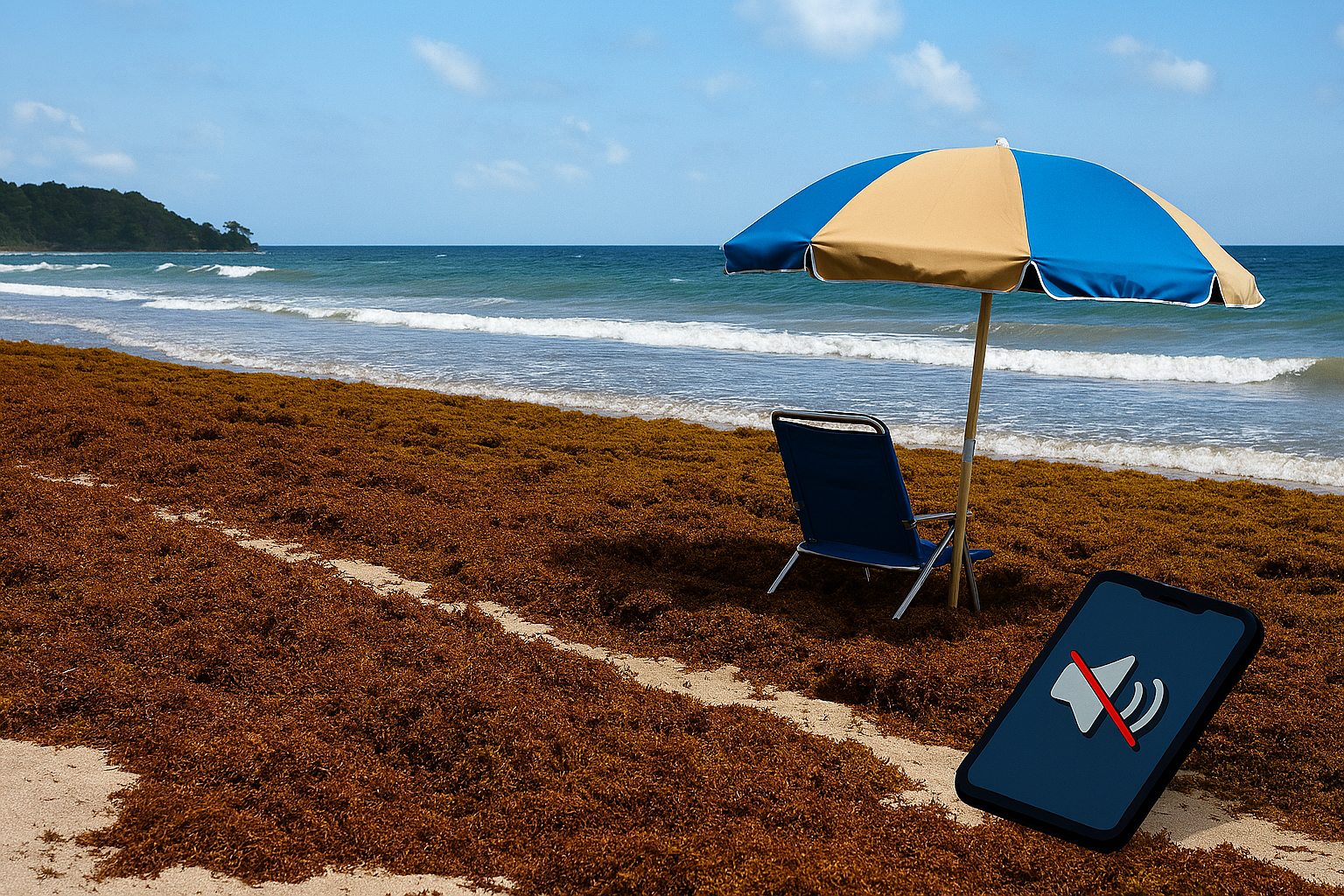
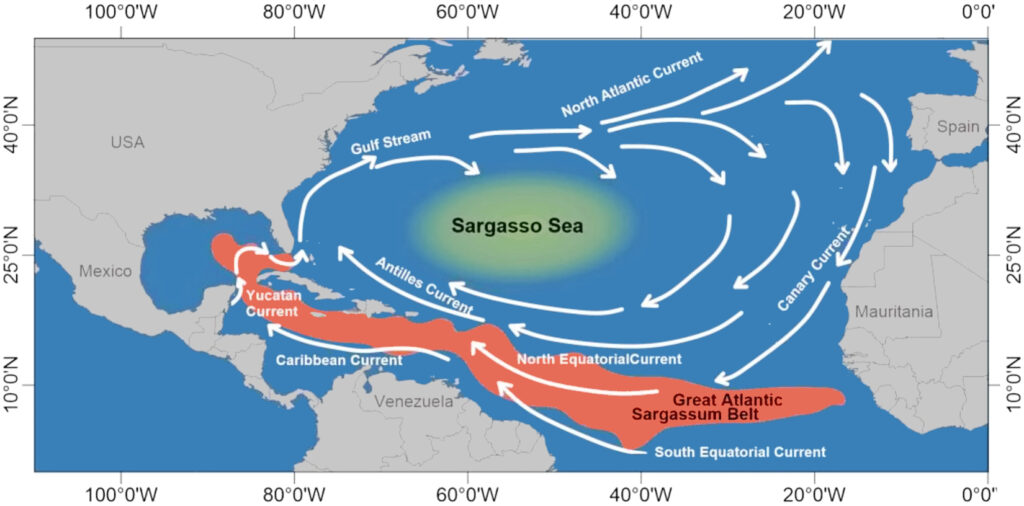
If you’ve ever gone to the beach expecting “postcard paradise” and instead got a knee-deep, egg-smelling brown carpet, congratulations, you’ve met sargassum seaweed, the region’s most persistent uninvited guest. This isn’t a lil’ seasonal sprinkle; it’s a Great Atlantic Sargassum Belt stretching from West Africa across the Atlantic, into the Caribbean and Gulf. In May 2025 alone, scientists estimated a record 38 million metric tons floating out there. Yes, million… with an M.
Where all this sargassum seaweed suddenly come from?
For years, we blamed farm runoff and warming waters. That’s not wrong, but new research says a “tipping point” around 2009 changed wind and circulation across the Atlantic, pushing sargassum out of its old stomping grounds in the Sargasso Sea and into tropical zones where it munches on nutrients, multiplies, and then shows up like a bad ex on Caribbean shores. Think deeper nutrient mixing plus Amazon/Congo/Mississippi river outflows and warmer seas, a perfect soup for runaway blooms.
USF’s ocean optics team (the folks who watch this from space) tracks the belt monthly and warns that some months can send millions of tons beach-ward. Translation: one week blue water; next week, your favourite bay wearing a brown fur coat.
Why it’s wrecking vibes, and budgets
When sargassum hits shore and rots, it releases hydrogen sulfide and ammonia. These gases are linked to headaches, respiratory issues, skin irritation, even neurocognitive symptoms (especially risky for pregnant people and asthmatics). Add the Vibrio bacteria risk and suddenly the “beach day” becomes “bring your inhaler.” Public-health teams in Martinique, Guadeloupe and beyond have been sounding this alarm since the 2018 waves.
Tourism gets clobbered: the smell drives visitors away, sea grass and corals get smothered, fish nurseries suffer, and hotels fork out six figures just to shovel the stuff. NOAA and Caribbean surveys put cleanup in places like Quintana Roo at up to US$1.1 million per kilometre per year; smaller islands simply can’t keep paying that kind of money every summer.
Who catching it worst?
- Dominican Republic & Mexico’s Caribbean coast: industrial-scale inundations, with joint proposals to fight the tide; both countries say the problem now hits core GDP through tourism.
- Eastern Caribbean (Barbados, St. Lucia, Grenada): turtles detouring, fishers losing gear, and near-shore ecosystems under stress. Grenada’s south and east coasts in particular went from “foul” to “fuel?” out of necessity.
- Central & Western Caribbean: academic reviews describe sustained ecological and shoreline impacts since 2011, in short, this is the new normal, not a freak year.
The “solutions”
1) Barriers & booms offshore
Floating booms can deflect mats before landfall, guiding them toward collection points. Works… until a storm laughs in your face or currents change. Maintenance is constant and the logistics aren’t cheap. (Ask any resort chain that tried, then quietly upsold “seaweed-free days.”)
2) Mechanical harvest & rapid removal
Front-end loaders on beaches? Risky for nests and dunes. Better: amphibious harvesters and shoreline conveyor rigs that minimize sand loss. Key rule: remove fresh, don’t let it rot (that’s when the gas and heavy metals get ugly). Municipalities that moved from “ad-hoc shoveling” to “daily operations” fare best, but the bills still bite.
3) Turn foul into fuel (and other products)
This is the sexy one: convert sargassum to biogas, organic fertilizer, even bioplastics. A 2025 push from Grenada pilots to a regional innovation centre which aims to monetize the mess. Caveats: toxicity (arsenic), inconsistent supply, and the need for pre-treatment to remove salts and contaminants. Still, the circular-economy case is strong if we scale collection and standardize feedstock quality.
4) Managed composting & agriculture use
Blended correctly (and tested), sargassum can enrich soils and replace pricey imported fertilizers. But raw dumping is a no-no you have to control heavy metals and salinity or you’ll salt the earth like a petty Roman general.
5) Early-warning + regional coordination
Satellites already give monthly outlooks; some islands are building seasonal playbooks (staffing, booms, contracts) triggered by USF bulletins. Also brewing: Mexico–DR bilateral platform and calls for a Caribbean Sargassum Task Force with shared procurement and standards — because the seaweed doesn’t check passports.
What a real regional plan looks like
- Stop the rot: fund rapid removal hubs at hotspots; measure H₂S hourly when mats land; issue health advisories like we do for Saharan dust.
- Predict, then procure: tie USF/NASA forecasts to pre-signed beach-clean contracts — no more “we waiting on a quote while people faint on the boardwalk.”
- Build a market, not a garbage heap: co-finance biogas/compost pilots with strict toxicity testing; bundle islands’ feedstock to guarantee steady supply for investors. (Seaweed PPP, anybody?)
- Protect reefs & turtles: deploy booms with ecological guidance; avoid heavy machinery on nesting beaches; fund community turtle patrols during peak season.
- Talk straight to tourists: live beach cams + status dashboards (“green/amber/brown”) so people pick beaches wisely instead of rage-posting when they land in brown soup.
TriniLulz bottom line
Sargassum isn’t a “bad year.” It’s a new climate-era supply chain we didn’t order. The science says the belt is here to stay — pushed by shifting winds, fed by river nutrients, warmed by climate. The choice now is organized management or annual mayhem. We can keep pretending it’s a freak event and spend Carnival money on last-minute loaders… or we can treat it like a sector: forecast, harvest, process, profit.
Because this seaweed has main character energy. If the Caribbean doesn’t write the script, it will.