DEFCON Divali: U.S. Embassy Warning Sends Trinidad Into a Weekend of Panic and Memes
The Post That Lit the Match
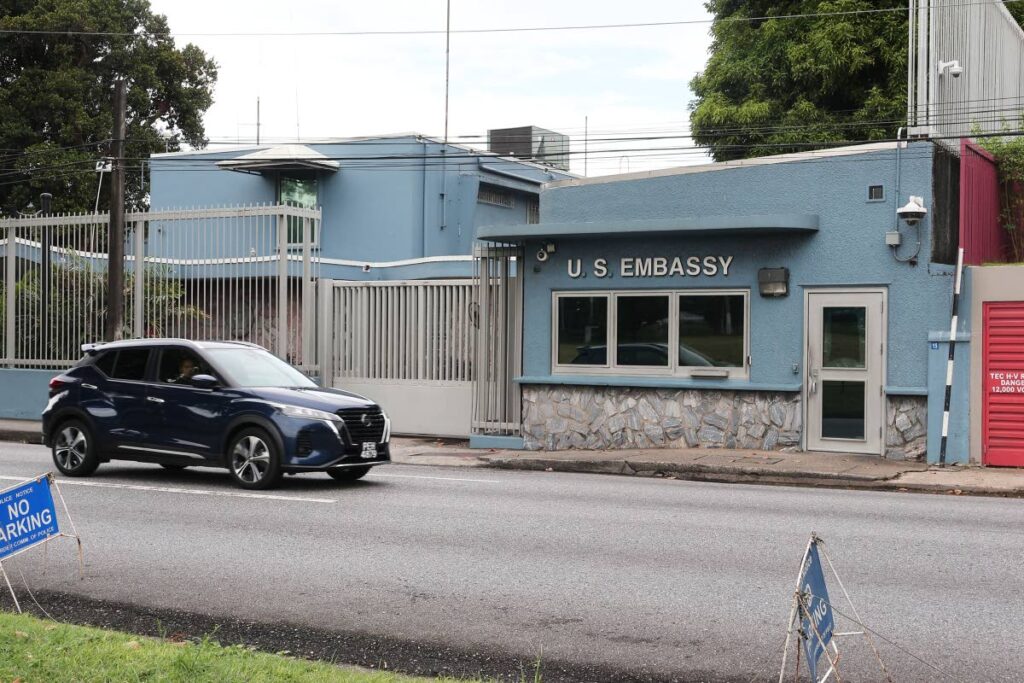
Friday morning, the U.S. Embassy dropped a short advisory: “Due to a heightened state of alert, please avoid and refrain from visiting all U.S. government facilities in Trinidad and Tobago.”
That was it. No threat details, no timeline — just a simple warning.
Within minutes, half the nation hit share faster than they ever forwarded a prayer chain.
By noon, Trinidad wasn’t lighting deyas, it was lighting group chats.
The “Safe House” Fiasco
The first rumor to go viral: “government officials in safe houses.”
The Acting Commissioner of Police, Junior Benjamin, had to come out swinging:
“That is untrue. No officials are in safe houses. There is no lockdown. The public should remain calm.”
Homeland Security Minister Roger Alexander followed up with the now-immortal line:
“Every house is a safe house.”
If crisis communication were a Trini art form, that statement would win an award.
What Actually Happened
The U.S. advisory, confirmed by multiple outlets including Newsday, Guardian, and Express came after weeks of regional tension following a string of U.S. military strikes off Venezuela, one of which killed two Trinidadians aboard a fishing vessel.
The U.S. has since authorized covert CIA operations targeting “narco-terrorist networks” in Venezuela, a move that’s turned the southern Caribbean into a geopolitical pressure cooker.
So while the Embassy alert wasn’t about Trinidad itself, Washington clearly wants to lock down its staff and facilities in case that tension spills over.
But try explaining “limited operational security posture” to a WhatsApp group full of retired uncles with loud opinions.
Officials Preach Calm, Internet Chooses Chaos
Homeland Security, TTPS, and the Prime Minister’s Office all said the same thing: no verified threat to the general public.
Yet the nation’s collective heartbeat hit 120 bpm anyway.
Voice notes warned of “explosions planned for the mall.”
Facebook posts claimed “the PM and AG gone underground.”
TikTokers were staging fake evacuations to dramatic music.
At one point, someone even renamed a supermarket group chat “Safe House: North.”
How to Read an Embassy Alert Without Losing Your Mind
Here’s the boring, rational bit nobody shared:
- Embassy alerts are aimed at U.S. citizens, not the whole country.
- They often lack details because the info is classified or precautionary.
- “Avoid facilities” ≠ “Avoid leaving your house.”
Basically, it’s a just in case, not an end of days.
Real Security Measures (Minus the Panic)
Police confirm extra patrols around Port of Spain, Chaguanas, and San Fernando, plus joint-agency coordination with Defence Force and Coast Guard.
Embassy staff were reportedly told to work remotely till further notice.
And that’s about it. No curfew. No national emergency. No secret tunnels under the Red House.
TriniLulz Verdict: Panic by Algorithm
The scariest part of this story wasn’t the advisory, it was how fast misinformation out-ran the truth.
A one-paragraph post triggered 12 hours of national confusion and at least three different conspiracy theories.
The difference between “heightened alert” and “hide yuh children” is one screenshot away.
So yes, the U.S. has its tensions. Yes, the region heating up.
But Divali doesn’t need DEFCON.
Light your deyas. Mind your business. And maybe this year, pray for better data literacy.