The Shocking Fete Curfew: How One Decision Could Derail Carnival’s Rhythm
When the Speakerbox Cut Off and the Country Froze
This Carnival season, the hottest performer isn’t Kes, Machel, Patrice, or Nailah.
It’s the State.
And their new big hit? The “fete curfew.”
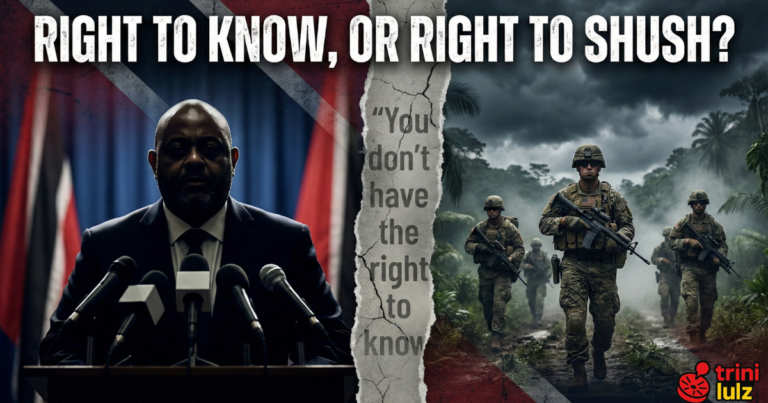
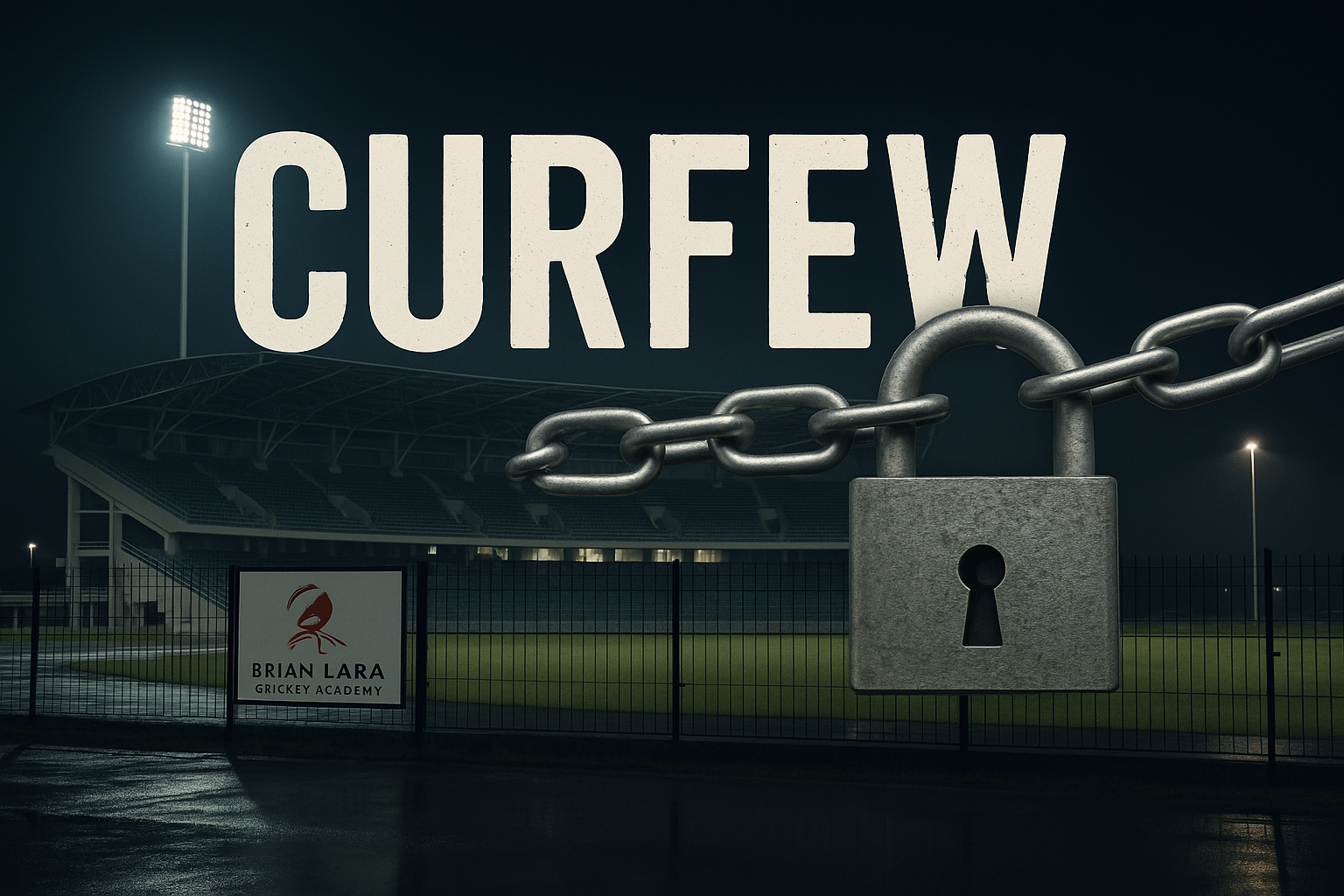
With one announcement, the Prime Minister managed to do what no noise-complaint auntie, no grouchy police sergeant has ever achieved: lock off the nation’s favourite stadium venue before Carnival.
According to multiple reports and statements, stadiums and Ministry of Sports facilities are now under new restrictions to “protect communities” from excessive noise — a noble goal in theory, but in practice? The timing hits like a mic-drop straight into a cooler full of ice.
A Fete Curfew in Carnival Season? Boy, Allyuh Bold
Here’s the thing about a fete curfew:
It is the kind of phrase that instantly raises blood pressure in promoters, DJs, vendors, bar staff, taxi drivers, and everyone who benefits from the Fete industry.
Carnival is not just culture — it’s commerce.
And stadium fetes are not just parties — they’re economic ecosystems.
A single curfew-style restriction can disrupt:
- Vendor income
- Artist bookings
- Liquor suppliers
- Sound engineers
- Security crews
- Bartenders
- Transport operators
But the biggest shock isn’t the fete curfew itself.
It’s the speed and timing. The Carnival period begins in less than two months. Most fetes are planned the year before with venues secured well in advanced.
From Canboulay to Curfew: A Very Familiar Tune
When the State tries to manage Carnival spaces, Trinbagonians get nervous — and for good reason.
In the 1880s, colonial authorities tried to clamp down on nighttime drumming and Carnival processions.
The result? The Canboulay Riots, a cultural uprising now etched into our identity.
Read the full history here (internal link):
https://www.trinilulz.com/rooted-in-resilience-how-carnivals-past-still-wine-in-the-present/
Of course, nobody is calling for a riot today.
But the echoes are loud:
Every era finds its own way to police joy.
Back then it was drums.
Today it’s decibels.
Tomorrow? Who knows — maybe curfew wristbands, silence zones, or a state-approved BPM limit.
“If the ancestors could fight colonial curfews with bottle-and-pan, today’s citizens can certainly debate a modern fete curfew on Facebook.”
“Better Locations” and “Expert Engagement”: The New Political Bassline
The Culture Ministry insists Carnival fetes are still welcome — just not everywhere.
They promise the music will continue “in better locations,” and the National Carnival Commission is being instructed to “engage experts” before using state venues.
That is bureaucrat-speak for:
“Allyuh could fete, but not dey.”
One can almost picture the “expert assessment form”:
- Is this venue too loud?
- Too central?
- Too popular?
- Too close to people who might vote?
- Too successful?
- Too vibesy?
Meanwhile, promoters who already booked artists, rented equipment, and spent early-season cash are now doing financial gymnastics that would make Cirque du Soleil sweat.
So Who Really Owns Carnival?
Carnival was born in the street, raised in community yards, baptised in rum, and perfected on big stages.
But it never belonged to any government.
When the State enforces a fete curfew, it raises a deeper question:
Is Carnival something we celebrate — or something we rent from whoever is in office?
If the State can curfew stadiums today…
What stopping them from curfewing savannah stages tomorrow?
And what comes after that — a J’Ouvert time-limit? A Mas-band volume cap?
We joke about it now, but policies have a way of expanding.
Carnival only survives because the people protect its wildness, its unpredictability, its energy.
A fete curfew is more than a restriction — it’s a reminder:
Culture must always out-dance control.
And as Trinidadians know better than anyone…
The music always finds a way.