ROAD SAFETY OR ROAD ROBBERY? THE TT$19,000 COCONUT-VENDOR BILL THAT HAVE TRINIDAD TALKING
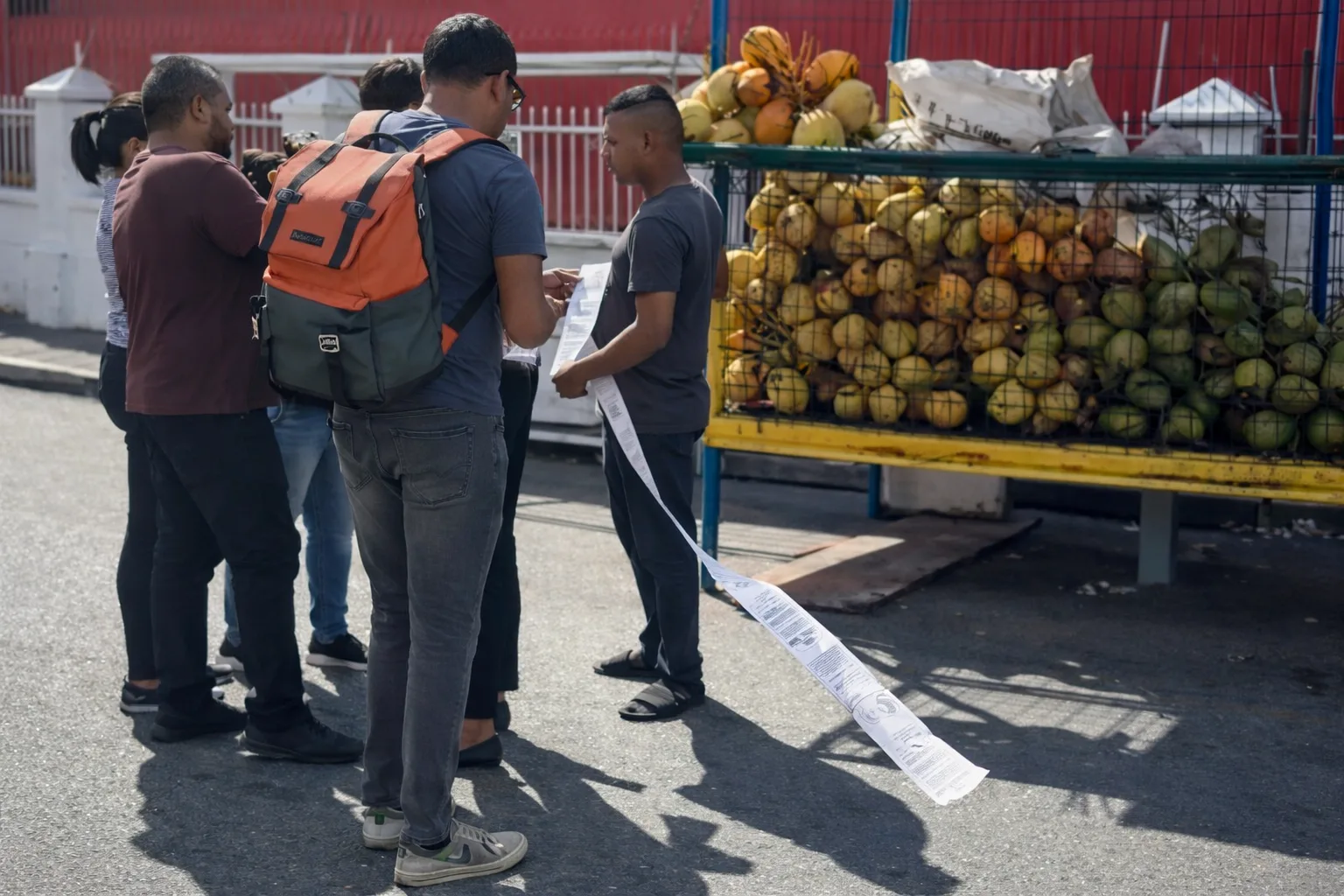
A coconut vendor in San Fernando became the most discussed road user in Trinidad and Tobago.
Not because of a crash. Not because of a chase.
But because a routine traffic stop reportedly ended with TT$19,000 in tickets.
Six tickets. One working man. One pickup.
And suddenly the country found itself arguing over a question far bigger than coconuts:
Is this road safety — or road robbery?
THE FINE IS THE MESSAGE
Let’s deal with the uncomfortable truth first: traffic tickets exist for a reason.
Driving without insurance is not a joke. If you hit somebody, the damage doesn’t disappear because “a man was trying to make a sale.”
Defective tyres are not vibes. Rubber meets road whether you’re rich or selling coconuts.
An unsecured load is not a technicality. Flying objects on the highway turn accidents into disasters.
So yes — enforcement matters.
Road safety laws are written in blood, not ink.
But here’s where the argument shifts gears.
When enforcement lands as TT$19,000 in one blast, the lesson stops being “do the right thing” and starts sounding like “don’t be poor on the road.”
SAME OFFENCES. VERY DIFFERENT PAIN.
This is the part nobody likes to admit.
A TT$19,000 ticket package does not mean the same thing to everyone.
To a big businessman, it’s an irritation.
To a corporate executive, it’s a bad day.
To a coconut vendor, it can be the end of the business.
That’s not emotion. That’s economics.
Flat fines punish income, not behaviour.
Two people commit the same offence, but only one of them has to choose between paying tickets and buying groceries.
If the goal is compliance, financial annihilation is a strange teaching method.
WHEN ENFORCEMENT BECOMES A HAMMER
Supporters of the tickets will say, “Follow the law and you won’t have problems.”
Fair enough.
But laws are supposed to correct, not crush.
A system that drops multiple high-value fines at once doesn’t encourage gradual compliance. It encourages avoidance.
People don’t fix their vehicles. They hide them.
They don’t insure properly. They take shortcuts.
They don’t come forward. They duck roadblocks.
And that defeats the entire point of road safety.
If a man leaves the stop thinking, “I need to fix my tyres,” the system worked.
If he leaves thinking, “I might as well stop driving altogether,” the system failed.
SAFETY VS SURVIVAL
This is why the coconut-vendor story hit a nerve.
Everybody knows somebody hustling with a van.
Everybody knows the cost of tyres, insurance, inspections, fuel, food, school fees, rent — all climbing at once.
So when people hear TT$19,000, they don’t just hear a number.
They hear months of work evaporating.
The public reaction wasn’t anti-law.
It was anti-disproportion.
Trinidadians are not rejecting safety.
They’re rejecting the idea that safety must come with a financial guillotine.
IS THERE A BETTER WAY?
Other countries wrestle with this same problem, and many landed on a middle ground:
- Fix-it tickets that give drivers time to repair defects before fines escalate
- Graduated penalties where first offences trigger warnings or reduced fines with mandatory compliance
- Payment plans tied to income, not ego
- Targeted enforcement days that focus on inspections and education for small operators
None of these eliminate accountability.
They just replace punishment with results.
The goal is safer roads, not empty wallets.
THE REAL QUESTION TRINIDAD IS ASKING
This story was never really about a coconut vendor.
It’s about whether traffic enforcement is designed to change behaviour or collect revenue.
It’s about whether justice feels corrective or predatory.
It’s about whether the State wants safer roads — or simply fewer poor people on them.
Road safety matters.
But safety that bankrupts the working class isn’t safety. It’s exclusion.
And that’s why this TT$19,000 bill isn’t just a set of tickets.
It’s a national conversation — and it’s not going away anytime soon.