Trinidad Backed the Strategy. Venezuela Oil Law Changed the Rules. Where’s the Dragon Gas?
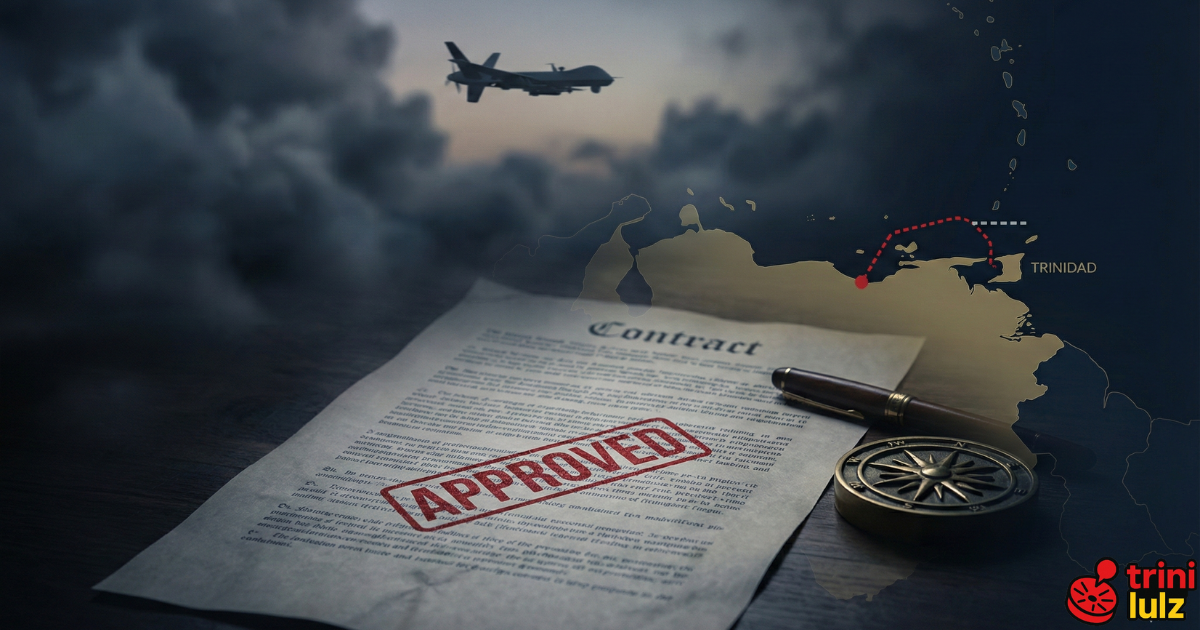
When ideology collapses, paperwork follows
For nearly two decades, Venezuela’s oil policy was treated like holy scripture. Under Hugo Chávez, nationalisation was not just economic policy, it was identity. Oil belonged to the state, PDVSA was supreme, and foreign companies were tolerated only under tight control.
That era is now officially over.
In late January, Caracas passed a sweeping reform that reopens its oil industry to foreign competition, loosens PDVSA’s grip, allows greater operational autonomy, and even permits international arbitration. The Venezuela oil law represents the most dramatic rollback of Chavista-era nationalisation since it began.
This was not a quiet adjustment. This was an admission that the old model is no longer survivable.
And it happened at a moment when Trinidad and Tobago, watching closely from the east, is still waiting on a prize it was told would come from regional cooperation: Dragon gas.
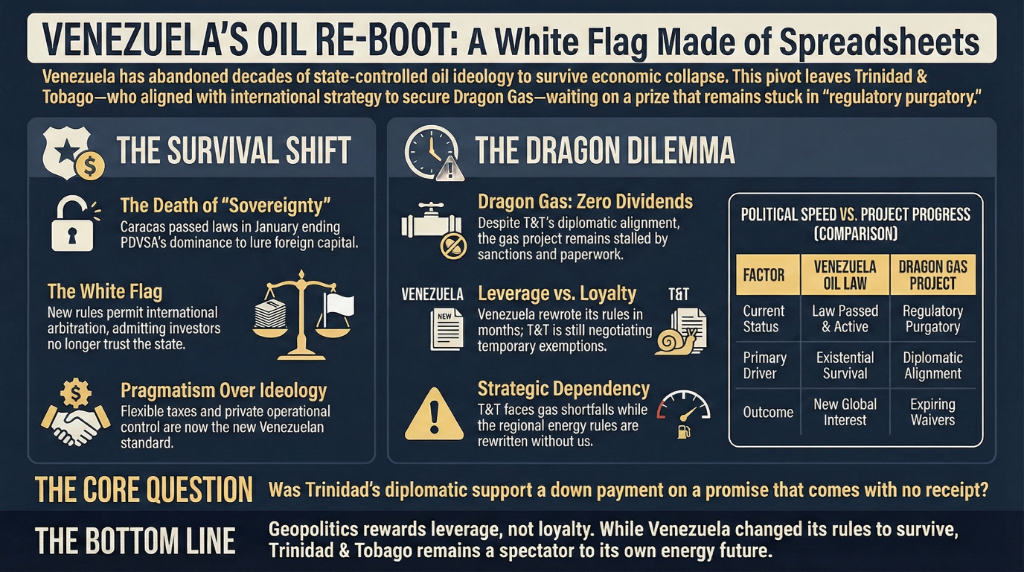
The Venezuela oil law: what changed, and why it matters
The new law does three things that would have been politically unthinkable a decade ago.
First, it reduces PDVSA’s mandatory dominance in joint ventures, allowing private and foreign firms far more control over production, marketing, and investment decisions.
Second, it introduces flexible fiscal terms. Royalties and taxes can now be adjusted to attract capital rather than frighten it away. For investors burned by years of unpredictability, this is Caracas waving a white flag made of spreadsheets.
Third, it opens the door to international arbitration. That single clause speaks volumes. Venezuela is effectively telling oil majors, “You don’t have to trust us blindly anymore.”
Taken together, the Venezuela oil law is not reform-lite. It is a structural retreat from ideology in favour of survival.
After years of shouting “sovereignty,” Venezuela is now whispering “please invest.”
The geopolitical shadow: force before reform
This policy shift did not happen in a vacuum.
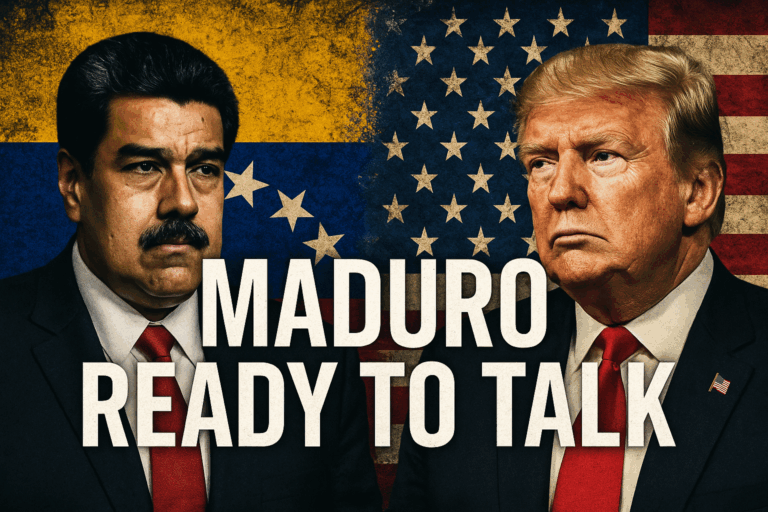
It unfolded in the aftermath of the dramatic U.S. capture of Nicolás Maduro. Supporters framed it as lawful enforcement. Critics called it a kidnapping. Either way, the result was the same: Venezuela’s political centre of gravity shifted overnight.
Into that vacuum stepped rhetoric from Donald Trump, who publicly claimed the mantle of authority over Venezuela’s transition and openly discussed the role U.S. oil companies would play in “fixing” the country’s energy sector.
The sequence matters.
First came force.
Then came legitimacy arguments.
Then came the oil law.
Seen this way, the Venezuela oil law reads less like organic reform and more like a post-crisis term sheet. Sovereignty was renegotiated under pressure, and oil was the collateral.
Trinidad’s calculation: alignment without dividends
From Port of Spain, the logic seemed straightforward.
Trinidad and Tobago aligned diplomatically with U.S. strategy on Venezuela, backed regional positions, and invested political capital in a future where cross-border energy cooperation would finally unlock Dragon gas.
Dragon was supposed to be the win.
Dragon was supposed to stabilize domestic gas supply.
Dragon was supposed to protect LNG exports and downstream industry.
Instead, Dragon remains stuck in regulatory purgatory.
Licences have been granted, revised, questioned, and revisited. Timelines slip. Sanctions waivers come with expiry dates instead of certainty. Energy companies keep planning while never quite drilling.
Meanwhile, Venezuela just rewrote its oil rules for the global market.
Trinidad backed the strategy. Venezuela changed the rules. The gas never came.
The Dragon gas irony
Here’s the uncomfortable irony.
Venezuela has now proven it can move fast when survival demands it. Decades of ideological rigidity evaporated in months once the pressure became existential.
Yet Trinidad, whose need for gas is immediate and practical, is still negotiating permissions, exemptions, and political risk.
Dragon gas sits closer to Trinidad than many of its existing suppliers. The infrastructure logic makes sense. The economics are compelling. The demand is real.
But geopolitics does not reward logic. It rewards leverage.
And right now, Trinidad has alignment, but not leverage.
A regional lesson in power asymmetry
This moment exposes a hard truth about small energy states operating near big geopolitical storms.
Supporting a strategy does not guarantee a return.
Being “on the right side” does not ensure material benefit.
Diplomacy without enforceable guarantees is often just applause from the sidelines.
The Venezuela oil law shows that when pressure mounts, large powers and large producers can rewrite rules quickly. Smaller neighbours, even when cooperative, are left waiting for the fine print to trickle down.
For Trinidad, the risk is not just delayed gas. It is strategic dependency without reciprocity.
What happens next
Venezuela will likely attract new oil interest. The law is designed for that. Investors understand risk, but they also understand opportunity, and Venezuela has plenty of barrels left underground.
Trinidad, meanwhile, faces a narrower window. Gas shortfalls do not pause for geopolitics. LNG trains do not wait patiently for sanctions paperwork.
The question now confronting policymakers is blunt:
Was backing the strategy enough, or was it a down payment with no receipt?
Until Dragon gas actually flows, the Venezuela oil law will stand as a symbol of who adapted fastest to crisis, and who is still waiting for alignment to turn into supply.