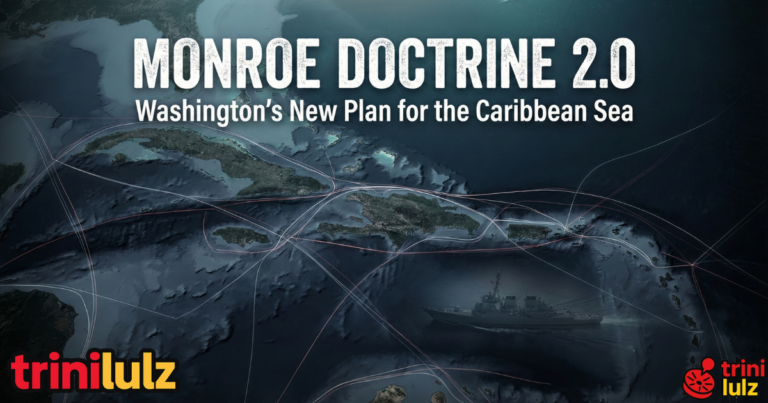
US Capture of Maduro: Caracas Woke Up to Explosions, and the Region Woke Up to a New Reality
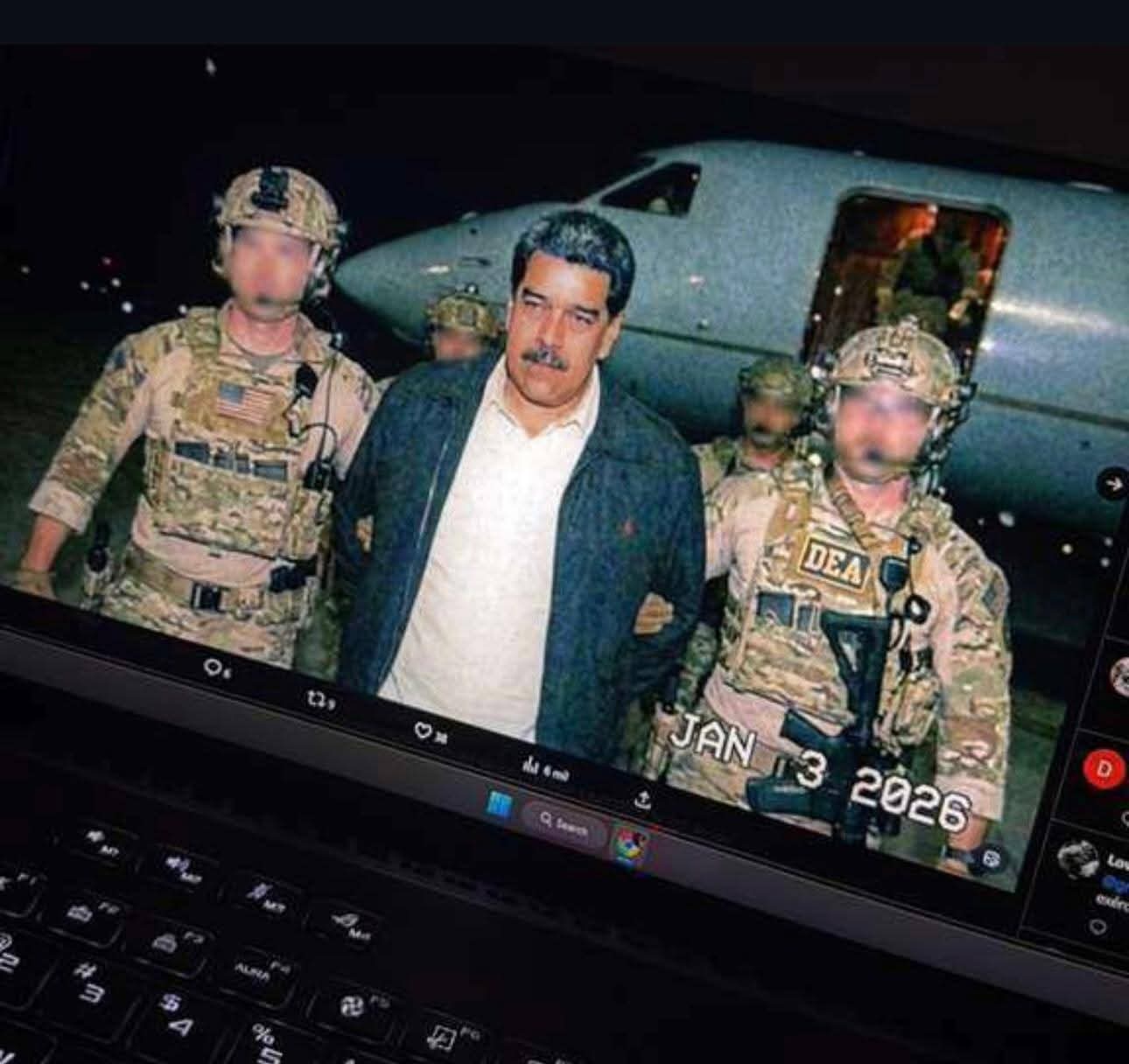
Caracas didn’t tiptoe into January 3, 2026. At around 2 a.m., the Venezuelan capital shook with at least seven loud explosions and low-flying aircraft cutting through the night sky — the kind of scene usually reserved for dystopian movies. Within hours, U.S. President Donald Trump claimed that Venezuelan President Nicolás Maduro and his wife, Cilia Flores, had been “captured and flown out of the country” after a large-scale military strike by U.S. forces.
This isn’t a stray headline. It’s a geopolitical pivot point — one with ripples that could reach every Caribbean capital from Port-of-Spain to Kingston. Let’s unpack what’s been reported, what’s disputed, and what it means for the region.
Explosions in the early-morning darkness
Early reports across international outlets describe a chaotic pre-dawn in Caracas: multiple explosions around 2 a.m., aircraft seen flying very low, and plumes of smoke rising from military installations and nearby areas. Most blasts were reported around Caracas and nearby regions such as La Guaira and Higuerote.
Witnesses spoke of the ground shaking and parts of the city losing electricity, with residents rushing into the streets or capturing scenes on phones and social media. One local voice described the sensation as if “the air was hitting us.”
This isn’t something people forget — it’s the kind of moment that splits time in two: before the explosions and after the announcement.
A claim with global shock value: US capture of Maduro
Hours after the blasts, President Trump took to social media to declare that the United States had conducted a large-scale strike and that Maduro and his wife were captured and removed from Venezuelan territory. Officials suggested the operation involved elite units — the U.S. Army’s Delta Force — though many details remain unclear.
The strikes also didn’t emerge out of thin air. In recent weeks, U.S. rhetoric around Venezuela had already shifted toward open confrontation, including public claims that the CIA was given a green light to intensify operations — a signal that Washington’s posture was moving from pressure to action.
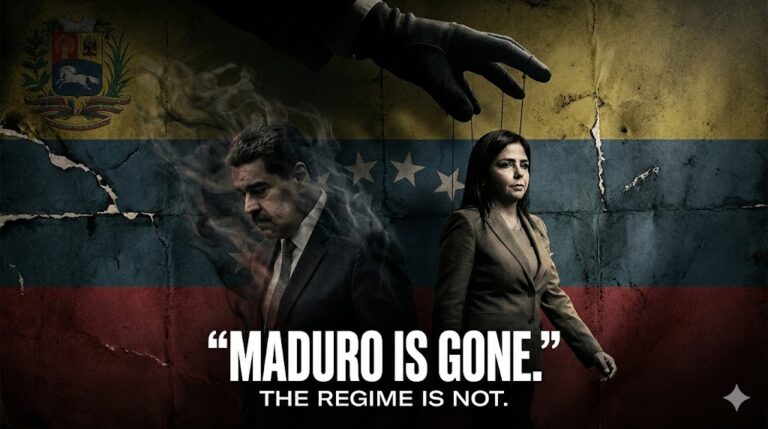
In Venezuela’s own account, Vice President Delcy Rodríguez demanded “proof of life” and said the government did not have confirmed information on Maduro’s whereabouts according to Reuters. Venezuelan authorities condemned the strikes as “military aggression” and declared a state of emergency, mobilizing defense forces and calling on citizens to resist.
On social media and in government statements, Caracas framed the strikes as an imperialist attack aimed at seizing the nation’s resources, especially oil and minerals — a narrative that resonates deeply in Latin America and the Caribbean.
Two narratives, one explosive moment
Here’s where things get as thick as Caribbean humidity: the U.S. government’s version frames this as a successful operation against an indicted leader accused of narco-terrorism, while Venezuela’s government calls it an unlawful assault on sovereignty. Both sides have reasons to control the narrative, and on the ground the facts — like Maduro’s exact location and the legal basis for the strike — remained murky at press time.
That kind of uncertainty isn’t just political theatre — it’s the core of why this story is so potent. People will share it not just because it’s dramatic, but because it is dramatic and unresolved.
Why the Caribbean should actually care
It’s tempting to see “Venezuela drama” as someone else’s problem. Geography doesn’t let us look away that easily. Caracas sits less than a flight hour from many Caribbean capitals, and Venezuela’s political and economic turbulence has historically spilled over into our region through energy markets, migration, and security concerns. A sudden regime shift or power vacuum next door is not trivia.
If Maduro is truly removed from power — especially by an external military force — the bump-on ripple effects could include:
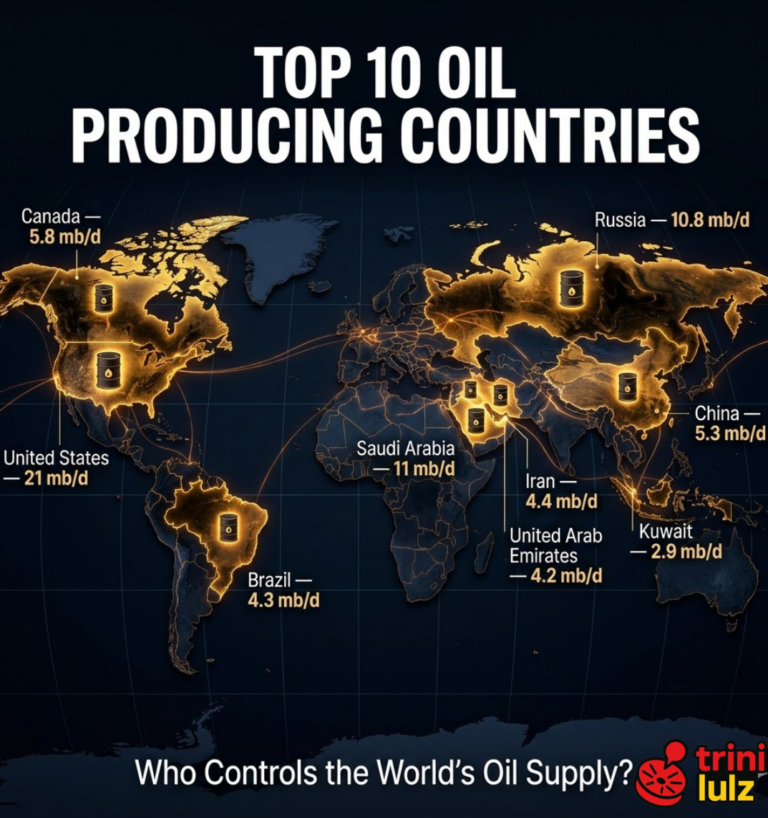
• Shifts in oil and energy flows that affect prices and supply.
• Migration pressure if Venezuelans seek stability elsewhere.
• Security recalibrations as regional militaries and coast guards adjust to a new status quo.
In other words: shock waves, not just shock value.
The next act: legitimacy, geopolitics, and legal questions
What happens next depends on how this claim gets confirmed or contested. If Maduro’s capture is validated with clear proof of life and location, global diplomacy will shift into overdrive — with the UN, OAS, and major powers weighing legality and recognition. If it isn’t, we may be witnessing a massive information war layered on top of real military action.
Even within the U.S., questions swirl about whether Congress authorized such military force, and how legal grounds are being presented. And in Caracas, the government’s mobilization orders suggest the moment could escalate further before it settles.
Caracas at 2 a.m. didn’t just shake concrete — it shook narratives. As live videos, social media threads, and official statements pour in from both sides, one truth becomes clear: this isn’t a distant headline. This is our hemisphere’s new chapter. And it’s happening now.