The Quiet US War With Venezuela: Oil, Power, and the Caribbean Caught in the Crossfire
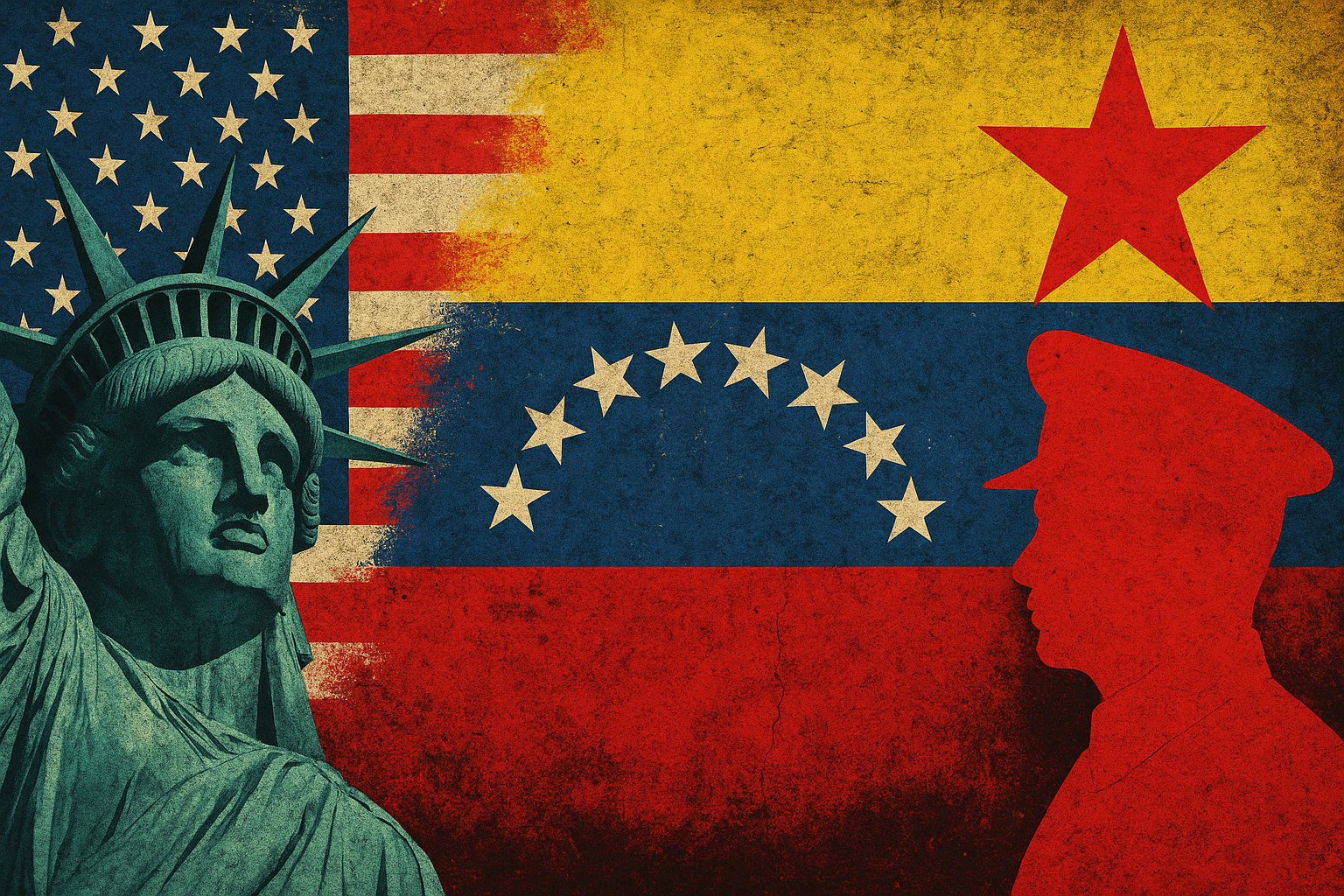
Venezuela isn’t just a country with plenty oil, political drama, and a broken economy, it’s the frontline of a quiet but very real US war with Venezuela, where power, influence, and Caribbean security are all up for grabs. While most people watching the news only see protests, sanctions, and speeches, the bigger storyline is a geopolitical tug-of-war between Washington and Caracas, with China quietly slipping into the chat.
And guess who’s stuck in the middle? The Caribbean, the region nobody ever remembers until the missiles start flying low over fishermen’s boats.
China Moves In, America Gets Nervous
For more than a decade, China has been pumping billions into Venezuela, loans, oil deals, infrastructure, ports, debt restructuring, you name it. Beijing doesn’t just want barrels of oil; it wants allies. In a world where global power is shifting, having influence in Latin America is a big diplomatic win.
The result? Venezuela ended up owing China so much money that the country now trades oil as debt repayment instead of profit. China calls it “development partnership.” Washington calls it “foreign takeover.”
And that’s when the temperature really started to rise.
The US War With Venezuela Isn’t Just About Politics — It’s About Control
Washington sees Venezuela as a strategic red flag.
Not because of Maduro alone, but because China, Russia, and Iran all now have a seat at the table there. That means one thing: the old Monroe Doctrine (“America runs the Western Hemisphere”) is under threat.
So the U.S. responded the way it always does when a rival shows up in its backyard: sanctions, diplomatic isolation, backing opposition leaders… and, increasingly, military action in Caribbean waters.
That’s not conspiracy: that’s well documented.
Just last week, the U.S. carried out its 9th military strike in the region, killing three alleged smugglers and bringing the death toll to 41.
If that’s not a low-key regional war, what is?
“When great powers start fighting over oil and borders, small islands become collateral damage — not allies.”
Venezuela’s Collapse Is Fuel for Global Power Politics
Here’s the irony: Venezuela is rich in resources but broke in reality. Hyperinflation, food shortages, collapsing public services, mass migration. One of the world’s biggest oil holders became one of the world’s biggest humanitarian crises.
That chaos gives both the U.S. and China leverage.
Washington says: “We’ll help if Maduro goes.”
China says: “We’ll help, no political conditions, just keep the oil flowing.”
So Venezuela isn’t just choosing partners.
It’s choosing what future it will have, U.S.-aligned, China-aligned, or broken beyond alignment.
What Happens Next? Three Possible Outcomes
- China wins and Venezuela becomes a long-term strategic ally in Latin America.
- The U.S. forces a political shift and regains control of the oil and the region.
- Venezuela collapses even further, and neither power gets a stable partner… only a failed state sitting on 303 billion barrels of oil.
And inside that uncertainty sits the Caribbean, watching naval ships sail past fishing boats, watching migrant boats arrive on shores, watching the global superpowers treat the region like open chessboard space.
For deeper geopolitical context:
Council on Foreign Relations – China’s role in Venezuela
“This isn’t just a Venezuela problem it’s the new Cold War, and the Caribbean is the water between two superpower fists.”
The headlines make it look like a simple “Maduro vs America” story. But that’s just the surface. The real headline is this:
The U.S. war with Venezuela is already happening, it’s just not being televised like Iraq or Afghanistan. It’s happening through sanctions, silent airstrikes, oil deals, naval movements, and global power posturing.
And when global powers fight quietly, the only people who get loud are the ones who live close enough to hear the gunboats.
Welcome to the new era of Caribbean geopolitics.
This story is part of our wider Caribbean Geopolitics & Global Affairs coverage. Explore the full hub for regional security updates, diplomacy, migration, energy politics, and deeper analysis of how global power plays shape Caribbean realities.