Boycott Trinidad and Tobago Imports?! Antigua Threatens a Trade War After Kamla’s Maduro Talk
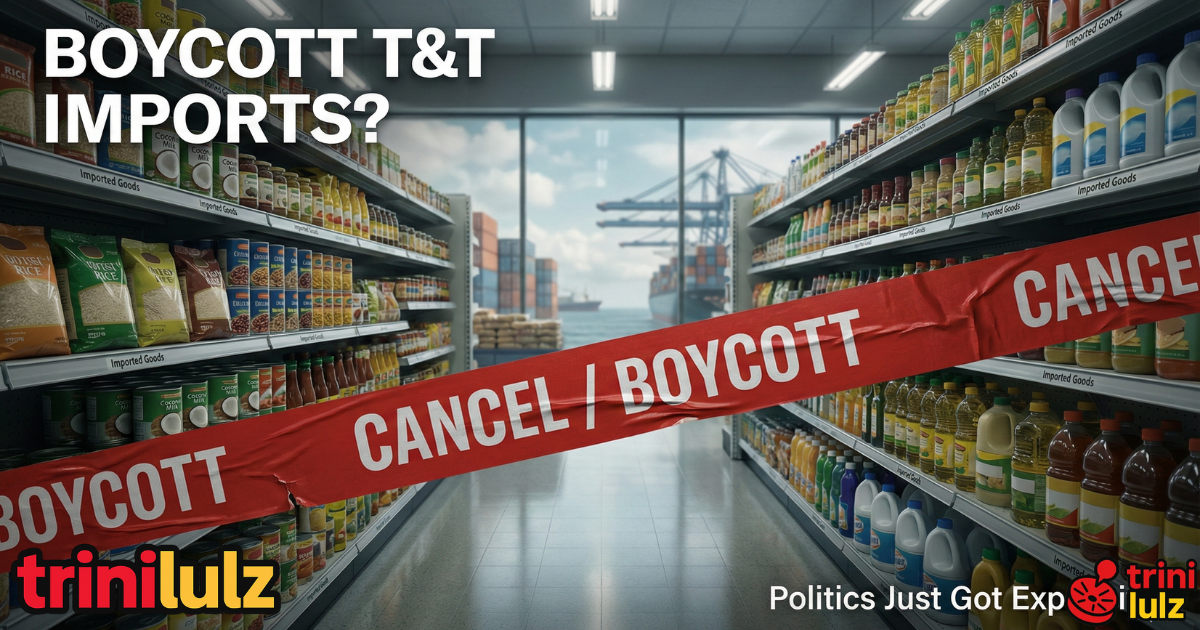
An Antiguan politician threatens to boycott Trinidad and Tobago imports and while this sounds dramatic enough, behind the bluster and bravado now spilling across the Caribbean political stage lies something far more serious. A rare moment when CARICOM unity cracks publicly, and trade threats replace diplomatic whispering.
What began as a war of words over Venezuela, visas, and regional loyalty has now drifted into dangerous territory — economic retaliation.
From Diplomacy to Disrespect in One News Cycle
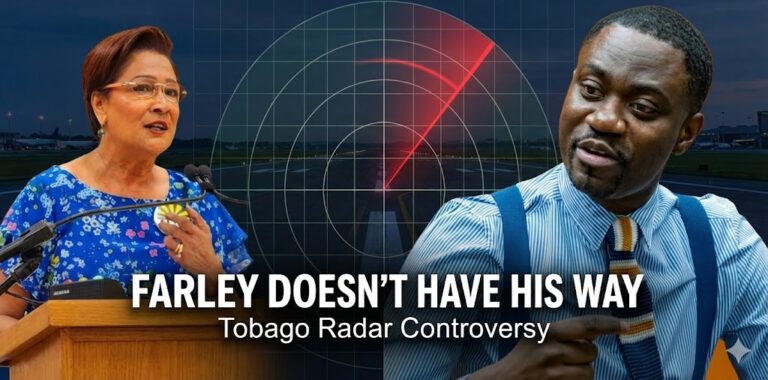
The immediate spark came after comments by Kamla Persad-Bissessar, who sharply distanced Trinidad and Tobago from a CARICOM statement responding to new U.S. visa restrictions affecting several Caribbean states, including Antigua and Barbuda.
Kamla didn’t just step aside politely. She went further — questioning CARICOM’s credibility as a “Zone of Peace” and drawing pointed attention to the region’s complicated relationship with Venezuelan president Nicolás Maduro.
That framing landed badly in St. John’s.
Within days, an Antigua-based report revealed that a government official — unnamed, but clearly plugged into the political bloodstream — was calling for citizens and businesses to boycott Trinidad and Tobago imports as a show of national backbone.
That’s when things escalated.
Boycott Trinidad and Tobago Imports: Symbolism or Self-Sabotage?
On paper, it sounds tough. In practice, it’s messy.
Antigua imports a wide range of goods from Trinidad and Tobago — food items, manufactured goods, pharmaceuticals, beverages, vehicle parts. In 2024 alone, that trade was valued at roughly US$28 million.
This is not abstract geopolitics. This is supermarket shelves, pharmacies, garages, and construction sites.
A boycott wouldn’t hit some faceless Port of Spain bureaucrat. It would ripple straight into Antiguan households, pushing prices upward or forcing substitution with more expensive imports from farther afield.
Economic nationalism makes for great speeches. It’s less charming at the checkout counter.
Gaston Enters the Ring, Receipts in Hand
Antigua’s Prime Minister Gaston Browne didn’t waste time playing diplomat.
He reminded the region — publicly — that Trinidad and Tobago has long enjoyed substantial trade surpluses within CARICOM, earning hundreds of millions in foreign exchange from regional exports. In plain language: you can’t trash the regional house while cashing rent from every room.
This wasn’t just political clapback. It was a calculated move to reframe the dispute from personality politics into economic reality.
CARICOM, Browne implied, isn’t charity. It’s a market.
The Real Story: CARICOM’s Group Chat Just Leaked
Zoom out and the bigger picture snaps into focus.
CARICOM is being squeezed from all sides:
- The United States tightening immigration and security rules.
- Venezuela remaining a geopolitical hot potato.
- Small states trying to balance sovereignty with survival.
Kamla’s comments didn’t create these pressures. They exposed them.
The boycott talk from Antigua is less about punishing Trinidad and more about signalling defiance in a region that often feels talked over by larger powers — including its own neighbours.
“When Caribbean leaders start threatening trade over talk, unity stops being a principle and starts being a negotiation.”
Who Really Loses If This Goes Further?
If calls to boycott Trinidad and Tobago imports spread beyond rhetoric, nobody walks away clean.
- Consumers face higher prices and fewer options.
- Small Caribbean businesses absorb supply shocks they can’t hedge.
- Regional manufacturers lose dependable markets.
- CARICOM’s credibility takes another public hit — just when global powers are watching closely.
CARICOM was designed to deepen economic integration, protect small states through collective trade, and reduce vulnerability to external shocks — a framework that becomes fragile when political disputes spill into threats of economic retaliation.
This isn’t how regional blocs behave when they’re confident. It’s how they behave when trust is fraying.
Words Are Cheap. Trade Wars Aren’t.
For now, the boycott remains a threat, not a policy. But the fact that it entered public discourse at all should worry anyone who still believes CARICOM is immune to fragmentation.
The Caribbean doesn’t need a trade war over tone, timing, or political one-upmanship. It needs cooler heads — and quieter microphones.
Because once economic retaliation becomes normalised, the next headline won’t be rhetorical.
It’ll be expensive.
This story is part of our wider Trinidad Politics Explained coverage. Explore the full hub for political analysis, key background, major controversies, and the latest updates.