Fifth U.S. Strike Hits Boat Off Venezuela — Caribbean Waters Getting Spicy 🌊💣
Same Sea, New Strike
Another month, another explosion.
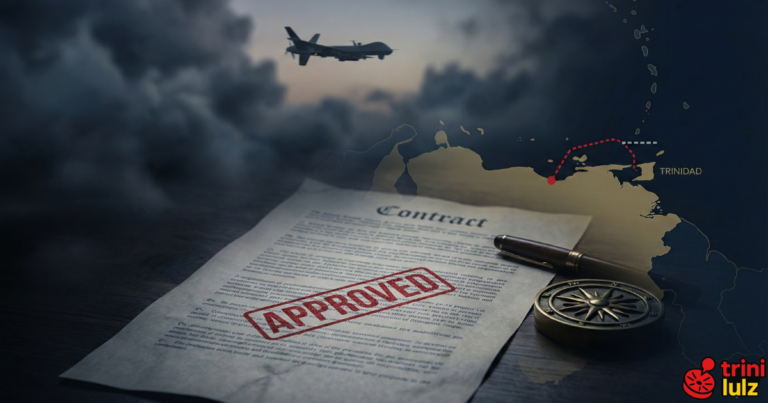
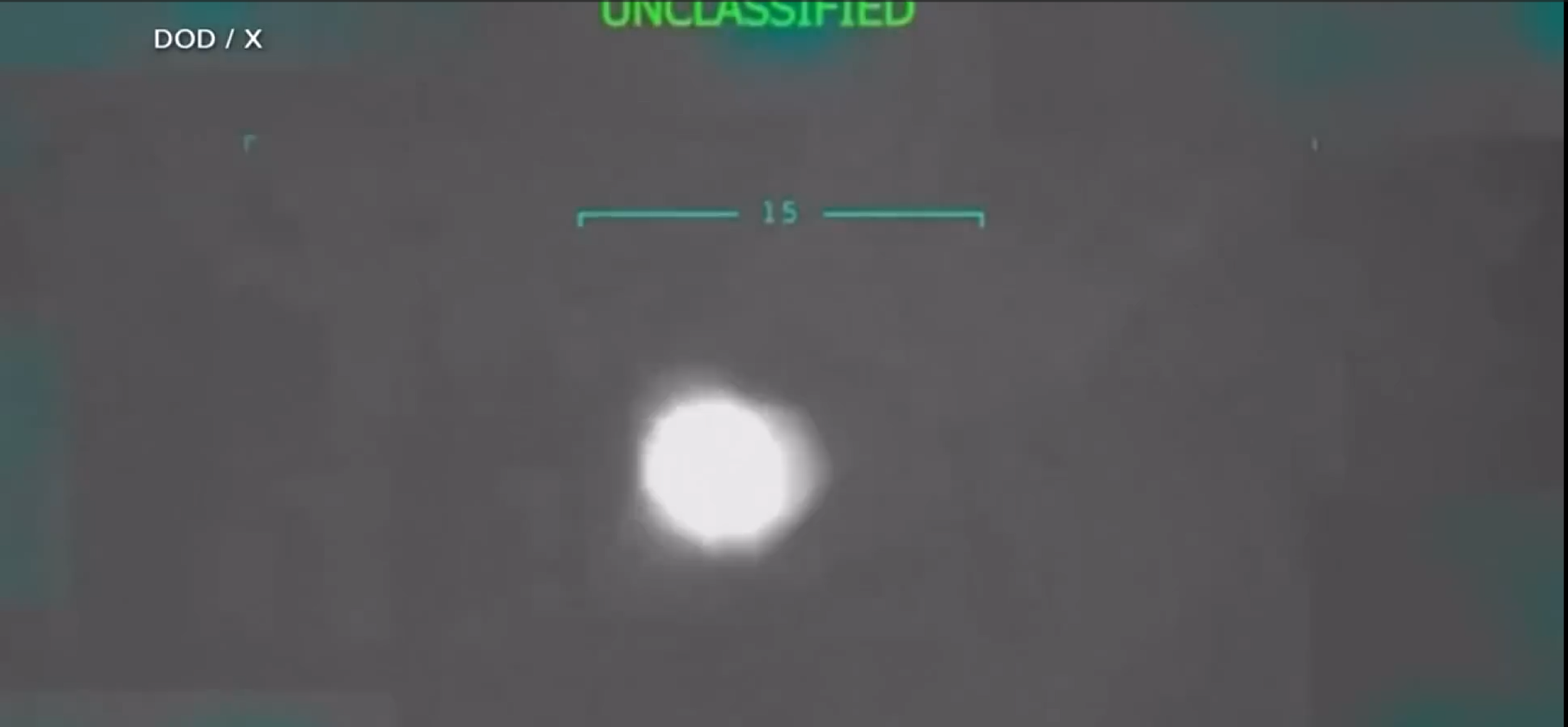
The U.S. military has confirmed a fifth U.S. strike hits boat off Venezuela, killing six people in what it claims was a “narcoterrorist operation.”
It’s the fifth time since May 2025 that a boat in Caribbean waters has been “neutralized.”
Washington insists it’s all part of a campaign against drug-running networks.
Everyone else calling it what it looks like — a live-fire reality show.
The latest strike was ordered by Defense Secretary Pete Hegseth, with President Donald Trump saying it targeted “armed criminals threatening regional stability.”
But with no drugs or weapons confirmed yet, plenty asking: who exactly was on that boat?
The Caribbean War on Boats: The Recap Nobody Asked For
Let’s break down the growing list of “maritime interventions” that got half the region watching their GPS nervously:
- May 2025 – Paraguaná Peninsula, Venezuela
U.S. drones destroyed a speedboat allegedly smuggling cocaine. Four killed. No proof released.
The U.S. called it a “precision strike.” Locals called it “a fishing trip gone wrong.” - June 2025 – Near Aruba
Another vessel “neutralized.” Fishermen reported floating debris; U.S. claimed narco-links, offered zero evidence. - August 2025 – Off Curaçao
A small trawler hit by drone fire. Outrage followed when witnesses said the crew were unarmed.
Curaçao’s prime minister called it “a dangerous escalation.” - October 3, 2025 – Gulf of Paria
A Trinidad-bound fishing boat reportedly “mistaken” for a drug vessel. No contraband found.
Regional diplomats went ballistic; U.S. said it was “an intelligence error.” - October 14, 2025 – Off Venezuela’s West Coast
Six dead after a strike at dawn. U.S. claims the boat “refused to comply.” Venezuela calls it murder.
That’s five attacks, six months, and not a single kilo confirmed.
At this point, the Caribbean Sea looking less like a trade route and more like a no-fly zone with nice beaches.
Washington’s Logic: “Self-Defense,” Caribbean’s Reaction: “Yuh Mad?”
The Trump administration says the strikes fall under “self-defense against transnational threats.”
U.S. senators from both parties not convinced — asking for legal justification, evidence, and maybe a map that shows where “self-defense” ends and Venezuela begins.
Meanwhile, Venezuelan Defense Minister Vladimir Padrino fired back:
“Warmongering, anti-human, and vulgar.”
He accused Washington of using drug enforcement as camouflage for “regime change by explosion.”
And honestly? The pattern starting to look more deliberate than random.
The Geopolitical Heat
Behind the smoke trails lies a much bigger energy game.
These maritime attacks coincide with the Dragon Gas Project, renewed oil diplomacy between Trinidad and Venezuela, and the U.S. trying to reassert control over the region’s energy lanes.
Caribbean leaders walking on eggshells — they want trade, not turbulence.
But the more U.S. drones fly, the more they risk pulling the region back into Cold War drama — with less James Bond and more paperwork.
Bottom Line
Five strikes. Six months. Dozens dead. Zero transparency.
The U.S. says it’s fighting cartels — but the Caribbean wondering if this is really about control, not cocaine.
When superpowers flex in small seas, the splash always hits the little islands first.
So for now, every fisherman, sailor, and coast guard crew watching the skies and praying the next drone don’t mistake a fishing net for a threat.
Because the Caribbean waves might look calm — but geopolitics out here hotter than a car trunk in San Fernando.