Trinidad Building a Grand Ram Mandir in Port of Spain

From Ayodhya to Ariapita — Lord Ram heading to Port of Spain
It’s official: Trinidad and Tobago is going full divine architecture mode. Plans are underway for a grand Ram Mandir in Port of Spain, a temple inspired by India’s iconic Ayodhya shrine and it’s already stirring up conversation from Chaguanas to Chacachacare.
The announcement came as part of a cultural initiative supported by the current Kamla Persad-Bissessar government, which, being largely Hindu-backed, is leaning into heritage revival in a big way.
Reports from NDTV and Moneycontrol confirm that Trinidad & Tobago aims to become a sort of “mini-Ayodhya” in the Caribbean, with a temple complex celebrating Lord Ram and the Ramayana tradition.
📢 “Trinidad going from Carnival to Kashi — a Ram Mandir rising in Port of Spain.”
A temple with timing: Politics, diaspora, and diplomacy
This isn’t just a religious move, it’s politics wrapped in devotion. The Persad-Bissessar administration, which took office in May 2025, has been emphasizing Hindu cultural identity and deepening ties with India.
Just months ago, Prime Minister Narendra Modi visited Trinidad, the first official trip by an Indian PM in decades. His government pledged new trade deals, diaspora engagement, and cultural cooperation. Among his most symbolic gestures? A replica of the Ram Lalla idol was presented to Trinidad marking what many see as the start of this temple project.
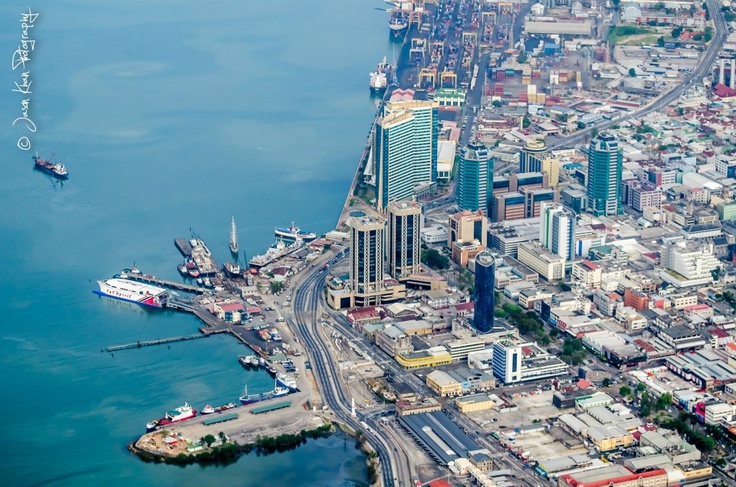
The Ram Mandir project is still in its early phase — location, budget, and timeline are being finalized — but officials have said it will form part of a wider cultural corridor in Port of Spain, linking spirituality, tourism, and education.
Faith meets festival: Why this matters in a multicultural nation
In Trinidad & Tobago, diversity is not theory, it’s daily life.
Roughly 35 % of citizens trace roots to India, 34 % to Africa, and the rest across Europe, China, Syria, and the Americas. Hinduism remains a key pillar of national identity: with Diwali, Phagwa, and Indian Arrival Day already national holidays.
So when a Ram Mandir rises in Port of Spain, it’s more than a temple, it’s a mirror of who we are.
💬 “For a country built on Carnival, Calypso, and coconut oil, adding a shrine to Lord Ram feels perfectly, confusingly, beautifully Trinidadian.”
The project also fits a wider conversation: can we celebrate heritage without dividing identity?
Done right, it could be a model for how multi-faith nations honour every part of their mosaic.

Tourism, trade, and Trini hustle
Besides religion, there’s an economic story here. A grand temple like this could pull in pilgrims, culture tourists, and diaspora visitors. Think spiritual tourism mixed with doubles and parang season.
According to The Times of India, the Ram Mandir could make Trinidad a Caribbean spiritual hub, attracting devotees from Suriname, Guyana, and even North America.
Local economists say the spin-offs could be huge: new jobs in construction, tourism, and events. And for the government, it’s a PR win, a headline that reads “Trinidad builds temple of peace” instead of “crime wave continues.”
The bigger question: What kind of nation do we want to build?
The temple is still a blueprint, but the symbolism is already powerful. In a country where mosques, churches, and temples share skylines, the Ram Mandir could be a unifying monument if handled with sensitivity.
Cynics will call it political theatre. Believers call it dharma. But both can be true: symbolism and sincerity often walk hand in hand in Trinidad.
Conclusion: A temple for all Trinis
If the project follows through, Trinidad & Tobago might soon boast one of the most iconic Hindu structures outside India, right in its capital. It’s a statement: faith, identity, and development aren’t mutually exclusive.
In the long run, the Ram Mandir in Port of Spain could stand as a reminder of what this country does best remixing the world’s traditions into something uniquely Trini.
As one commentator said, “If Ayodhya built Ram Mandir for history, maybe Trinidad building one for the future.”