Working in Guyana vs Trinidad — Salaries, Rent & Safety Without the PR Gloss
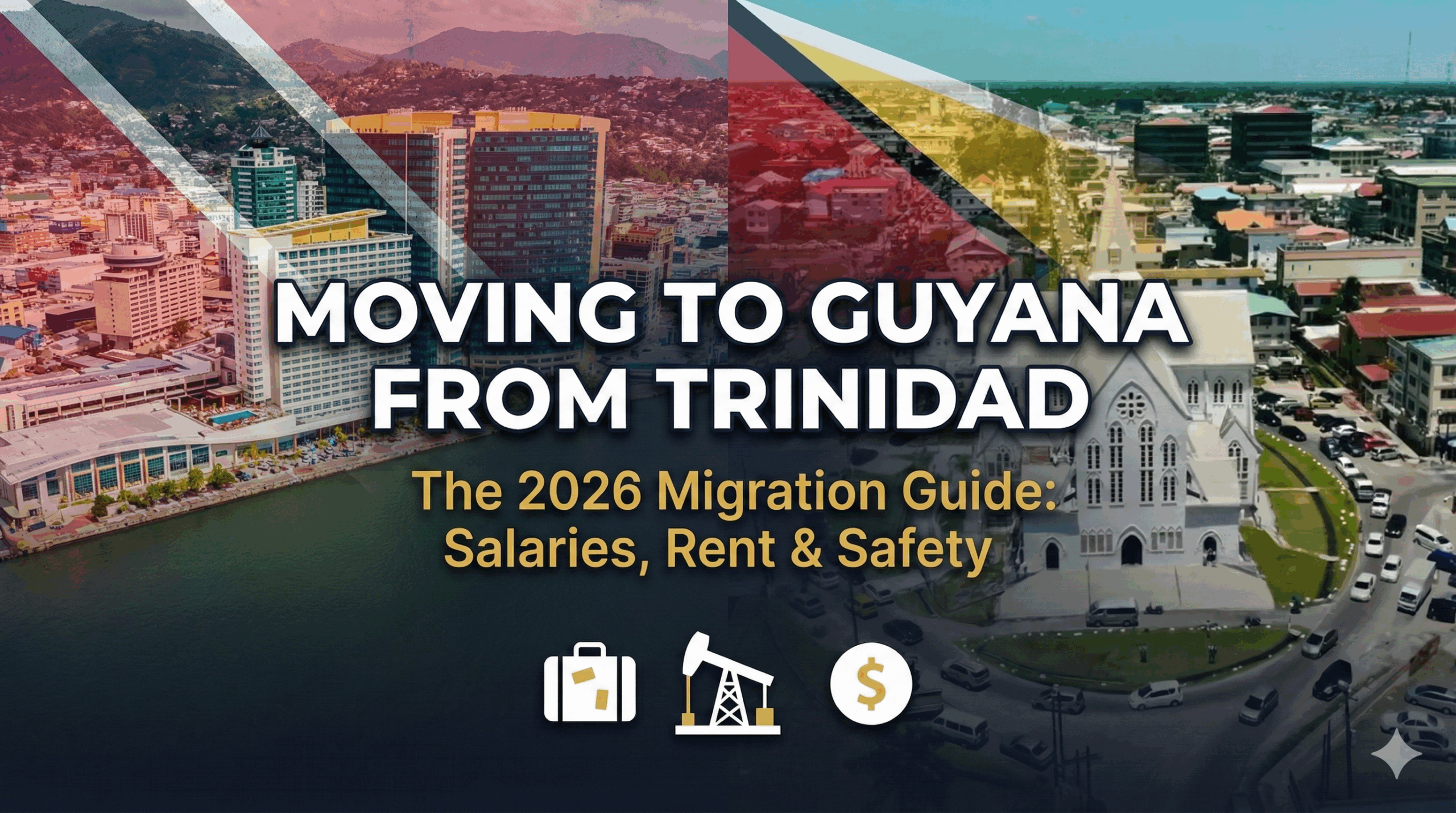
If you’ve noticed your WhatsApp suddenly full of “Guyana jobs hiring?” messages, don’t panic. It’s not a glitch. It’s the quiet migration wave nobody wants to admit they’re part of.
A growing number of Trinidadians are exploring opportunities in Georgetown, especially in the oil sector where starting salaries can make even a seasoned Port of Spain professional question every life choice they ever made.
But working in Guyana vs Trinidad isn’t a simple “pack yuh two jersey and go”. Cost of living, rent, safety, culture shock, and the infamous Georgetown mud can turn a dream job into a Carnival Monday storm-cloud.
This is the real guide, not a tourism board brochure, not a recruiter’s advertisement, not a “Guyana is the new Dubai!” TikTok fantasy.
Just the facts, the bacchanal, and the things you wish somebody told you before you land at Cheddi Jagan and wonder why the immigration officer looks like they know your business.
Cost of Living: Who More Expensive, POS or Georgetown?
Let’s clear something fast:
Georgetown is not cheap anymore. Oil money has inflated everything from rent to ramen noodles.
A basic comparison:
Rent (2026):
• Port of Spain: TT$5,000–$7,000 for a decent 1-bedroom
• Georgetown: TT$7,500–$12,000 equivalent for similar space
• High-demand oil worker areas: TT$15,000+ (yes, you read right)
Groceries are similar to Trinidad’s prices, but imported products, everything from cheese to cereal, can run higher.
Transportation:
Trinidad still wins here.
A taxi in Georgetown can feel like opening a mystery box: price varies, conditions vary, and sometimes the route is spiritually guided.
Utilities:
Pretty even, but air-conditioning in Guyana is a bigger cost because Georgetown humidity is not for the weak.
Winner: Trinidad on affordability.
Guyana on salary potential (we’ll get to that part soon).
Salaries: The Reason Half of Trini LinkedIn Quietly Change Their Location
This is the heart of the working in Guyana vs Trinidad conversation.
In oil & gas:
• Engineers in Guyana: TT$28,000–$55,000 monthly
• Trinidad equivalent: TT$15,000–$32,000
• Technicians in Guyana: TT$14,000–$25,000
• Trinidad: TT$8,000–$14,000
• HSSE roles in Guyana: TT$20,000–$35,000 depending on certification
Even non-oil jobs pay more, with customer service and admin roles sometimes TT$3,000–$5,000 higher per month than Trinidad.
Why?
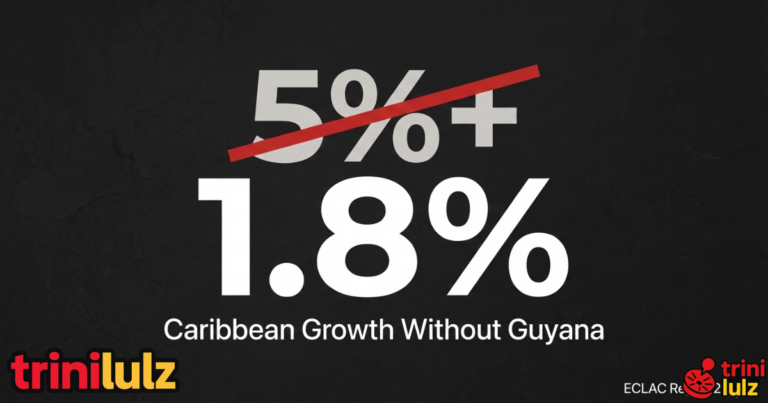
Guyana is still in hyper-growth mode.
Government and private companies are scrambling to match labour demand.
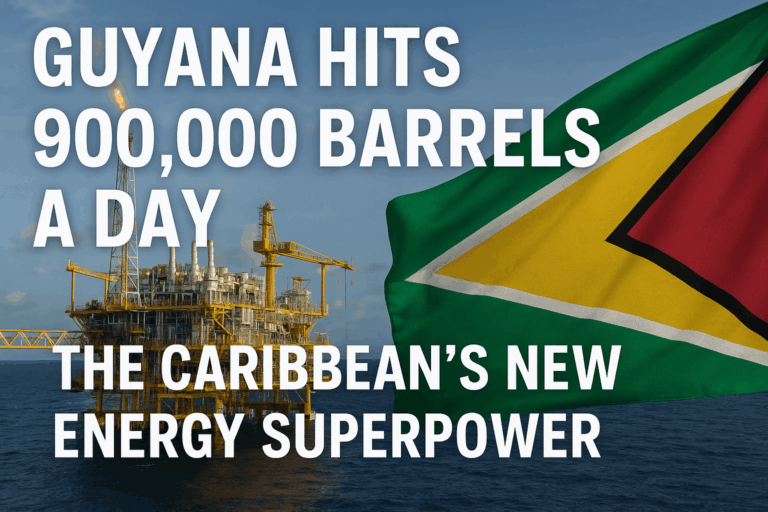
A recent Reuters report on Guyana’s accelerating 2025–2026 oil production highlights how the boom is reshaping everything from salaries to housing.
Foreign exchange availability also sweetens the deal — USD contracts are increasingly common.
A Trini earning TT$12,000 here can suddenly start earning TT$22,000+ in Guyana.
That difference is powerful enough for many to tolerate:
• Georgetown traffic that crawls like a liming turtle
• WiFi that behaves like 2012 Blink DSL
• Mosquitoes the size of small parrots
Safety & Crime: Everybody Have The Same Problems, Just Different Weather
Georgetown is not the Hunger Games.
But it isn’t Westmoorings either.
The honest breakdown:
• Petty theft is common especially in crowded areas, bus parks, or where foreigners congregate.
• Violent crime exists but is mostly concentrated in specific hotspots.
• Trinidad still has the higher homicide rate overall.
Trinis moving to Guyana often describe the vibe as:
“Safer, but stay alert.”
Walking around at night isn’t advisable.
Moving with valuables openly displayed is a rookie mistake.
Living near central Georgetown is convenient but noisier and less secure; suburban areas like Eccles, Providence, and parts of East Bank are more popular with expats.
Quality of Life: The Mud, The Mosquitoes & The Modernization
Let’s talk about the things no influencer says:
• Georgetown mud is legendary, not regular mud, but a thick, sticky substance designed by nature to test patience and footwear.
• Traffic during rush hour can turn a 20-minute drive into a Carenage-to-Town pilgrimage, but things are slowly improving as the city expands. The opening of the new US$260M Demerara River Bridge, which we covered in detail here has already started reshaping commutes, cutting travel time, and boosting development on both banks of the river.
• Sidewalks end suddenly, as if they, too, migrated.
• Flooding still happens during heavy rain.
• Medical system is improving but still not where Trinidad’s is. Many expats fly home for certain treatments.
• Nightlife is fun but limited, unless you love Brazilian bars or enjoy seeing the same people every Saturday.
But there’s a flip side:
• New malls, highways, and high-rise buildings appear every six months.
• Food options are expanding fast, from sushi to high-end steakhouses.
• Expat communities are growing.
• USD savings accumulate faster.
• Trinis adapt quickly and often find their “crew” within weeks.
Who Should Move, And Who Should Stay Home
The people who thrive in Guyana are:
• Young ambitious professionals
• Oil & gas specialists
• People seeking rapid career growth
• Anyone who wants USD exposure
• Persons comfortable with change
People who struggle:
• Those who can’t handle humidity, chaos, or mosquitoes
• Anyone expecting Trinidad-level convenience
• People who hate traffic and improvisation
• Homebodies with strong family attachments
“Working in Guyana vs Trinidad isn’t about who better — it’s about who growing faster.”
Final Verdict: Should You Go?
If you want higher income, faster advancement, and a front-row seat to the biggest economic boom in Caribbean history, Guyana is worth the adventure.
If you’re attached to Trinidad’s pace, food, and comfort, the move will challenge you.
But the truth remains:
In 2026, the biggest opportunities for Trini professionals may not be in Port of Spain, they may be across the water in Georgetown.