CHINA’S GIANT “RECHARGEABLE BATTERY” IN THE SKY: Hebei’s Fengning pumped storage power station hits full power
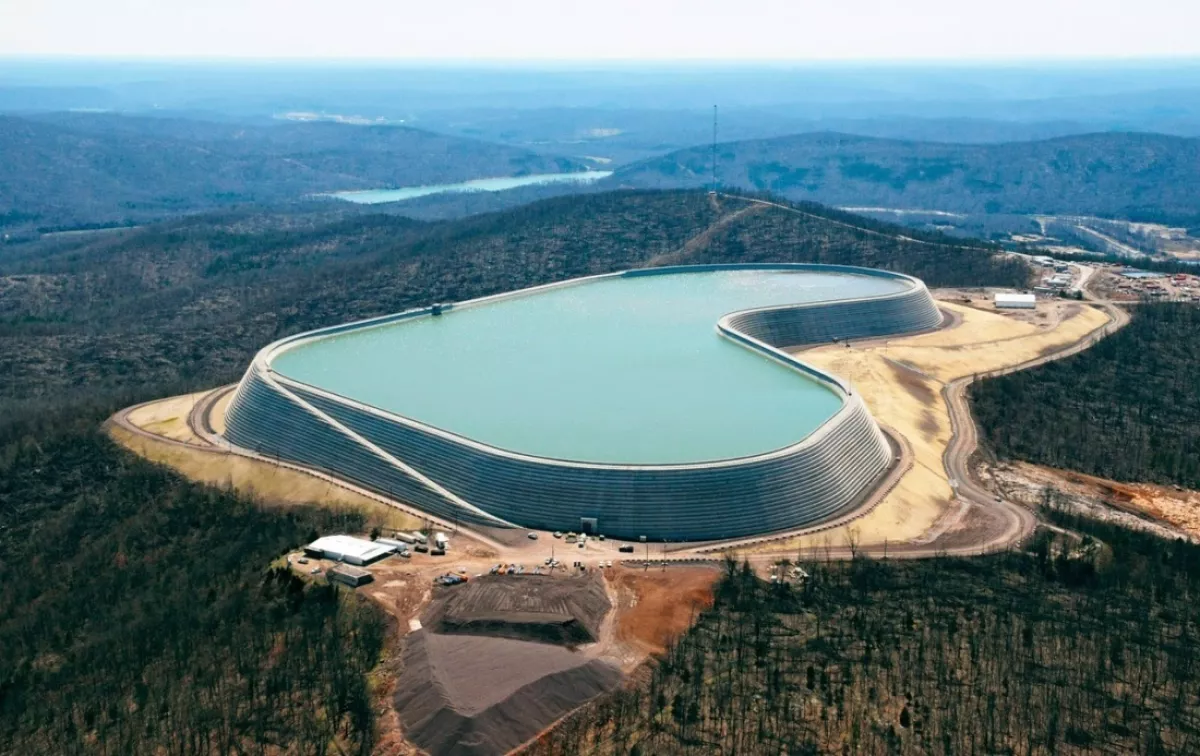
Hebei, China — The Fengning pumped storage power station is not a normal plant; it’s a colossal energy-storage machine built to behave like a grid-scale battery. It pumps water uphill when there’s extra electricity and sends it rushing back through turbines at peak demand. With 3.6 GW of capacity and a designed annual output of about 6.61 TWh, this mega-project helps China absorb more wind and solar, cutting roughly 1.2 million tons of CO₂ per year in the process.
How the “water battery” works
It’s elegant physics. When demand is low (or renewables are high), Fengning uses surplus electricity to pump water to an upper reservoir. When demand spikes, that water runs downhill through turbines to generate power. You lose a bit in the round trip (that’s normal), but you gain massive grid flexibility and the ability to integrate far more variable renewables without blackouts or costly fossil peakers.
- Installed capacity: ~3,600 MW across 12 reversible units (including variable-speed for finesse).
- Annual generation (design): ~6.61 TWh. Stored energy when pumping is higher, but that’s the cost of storage.
- CO₂ impact: ≈1.2 Mt/year avoided — think hundreds of thousands of cars’ worth of emissions.
Why Hebei, why now?
China’s north is stacking wind and solar at a ferocious pace. The Beijing–Tianjin–Hebei mega-region needs a shock-absorber to smooth that intermittency. Mountainous terrain gives Fengning the vertical “head” needed; policy pushes the rest. Result: fewer curtailments, steadier frequency, happier grid operators.
What this means for the clean-energy transition
Fengning pumped storage power station is the poster child for “build renewables and the storage to match.” It lets a modern grid do judo — using excess energy to get stronger later. That means less reliance on fossil peaker plants, more confidence to keep building solar and wind, and real, countable carbon reductions.
- Grid stability & black-out risk down
- Higher renewable utilisation
- Displaces fossil peakers
- Big, verifiable CO₂ cuts
- Round-trip losses are inherent
- Site-specific terrain & water needed
- Environmental & social impacts to manage
- Requires smart market rules/tariffs
Caribbean takeaway (yes, this matters to us)
We’re smaller islands, not super-grids — but the logic holds. A blend of renewables + storage is how you lower bills, lower emissions, and increase resilience. Whether pumped hydro (where terrain allows) or utility-scale batteries, the goal is the same: store the sunshine and the trade winds for the evening peak.
Further reading & sources
Internal: Can Sarghassum be a renewable energy source.
External: International Hydropower Association overview on pumped storage and grid flexibility.
TL;DR: The Fengning pumped storage power station in Hebei is a 3.6 GW water battery that makes renewables behave like 24/7 power — fewer peakers, fewer emissions, and a grid that can flex without breaking.