From Drug Boats to Dry Land: Is Venezuela Now the New Front Line in the Caribbean?
For years, the official story went something like this: the fight against Caribbean drug trafficking happens out at sea. Fast boats. Night interceptions. Coast guards playing maritime chess with smugglers who know every current and cove.
Then Donald Trump went on record and casually shifted the map.
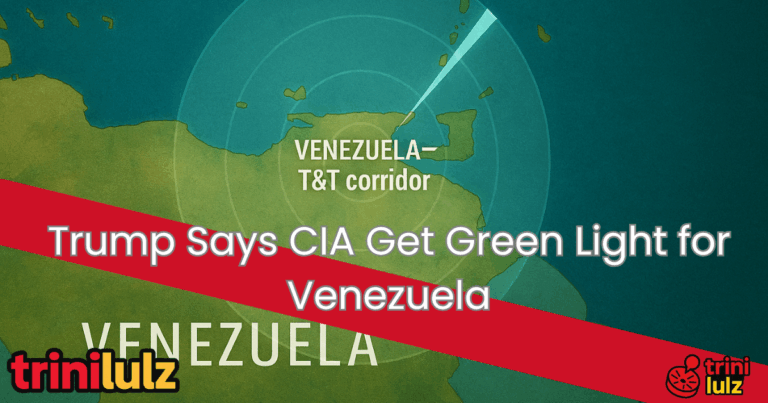
According to Trump, the United States didn’t just chase drug boats this time. It hit the place where they start. A dock. On Venezuelan soil. A loading point where drugs were allegedly put onto boats. Boom. Gone. No longer around.
If that’s accurate, the Caribbean just crossed a quiet but serious line.
Drug Boats Were One Thing. Dry Land Is Something Else Entirely.
A US strike on Venezuelan soil, even one framed as a counter-narcotics operation, is not business as usual. Interdicting traffickers at sea has long been treated as a kind of gray-zone policing. Once you start talking about hitting infrastructure on land, you enter a very different conversation. Sovereignty. Escalation. Retaliation. Plausible deniability packing its bags and leaving the chat.
Trump’s claim suggests a shift from chasing symptoms to attacking supply points. From boats to docks. From water to dirt. That alone makes the story bigger than the explosion itself.
And that’s before you factor in where this happened.
Venezuela, Sanctions, and a Region Already on Edge
Venezuela is not just another transit point. It is a sanctioned state, locked in a long-running standoff with Washington, and sitting uncomfortably close to small island states that do not want to be collateral damage in anyone else’s strategy session.
For months, reports have circulated about US-linked strikes on drug vessels in Caribbean waters near Venezuela. Those operations, while deadly, stayed offshore. What Trump described sounds different. A strike inland, however limited, reframes the entire theatre.
Suddenly the Caribbean looks less like a shipping route and more like a frontline.
Trinidad and Tobago’s Fastest Move: Step Back
Unsurprisingly, Kamla Persad-Bissessar wasted no time putting distance between Trinidad and Tobago and whatever just happened.
Her message was blunt: Trinidad and Tobago is not involved in any military operation on Venezuelan territory. Questions? Ask the US Embassy.
In diplomatic language, that is the equivalent of slowly sliding your chair away from a table where an argument just started. No commentary on the strike itself. No validation. No denial of Trump’s claim. Just a firm reminder that Port of Spain did not sign up for this episode.
For a small state, that instinct is survival, not cowardice.
Why This Makes Fishermen Nervous, Not Just Politicians
When operations escalate, the first people who feel it are rarely the ones giving speeches. Fishermen. Sailors. Coastal communities. People who work the same waters where “operations” suddenly start happening at night.
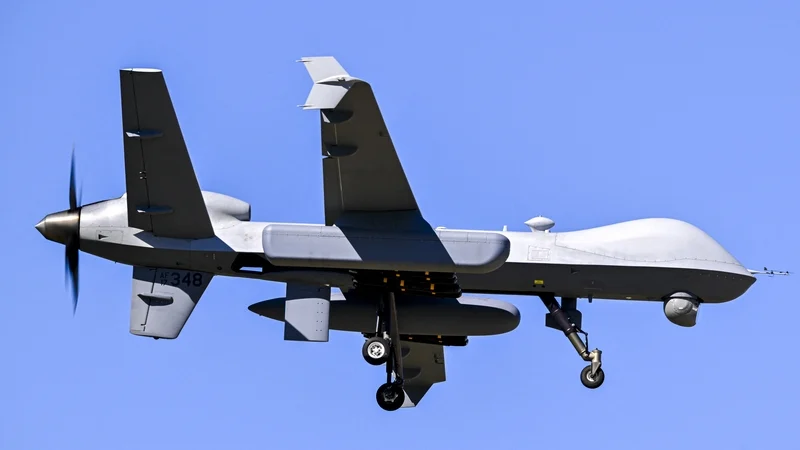
A dock being hit on land suggests intelligence pipelines, surveillance, and targeting that do not stop neatly at borders. It raises the risk of misidentification. Of something going wrong. Of a missile or drone wandering too close to the wrong boat, the wrong shore, the wrong day.
The Caribbean Sea has always been busy. Now it is busy and tense.
Claims, Counterclaims, and the Fog That Always Follows
It is important to say this clearly: Trump’s statement is a claim. There has been no detailed public confirmation, no imagery released, no independent verification explaining exactly what was hit, when, and under what authority.
There were also rumors linking a Christmas Eve explosion at a Venezuelan chemical plant to US action, rumors that the company involved denied, calling it a controlled incident with no injuries. In this region, facts often arrive late, after WhatsApp voice notes run wild.
But even unconfirmed claims can shape reality. Once a former US president says “we hit it,” the idea itself becomes part of the geopolitical weather.
The Bigger Question No One Wants to Ask Out Loud
If the fight against drugs now includes strikes on land inside Venezuela, where does it stop? Docks today. Warehouses tomorrow. Roads next? And how do small Caribbean states remain neutral when superpowers start redefining the battlefield in their backyard?
This is why Trinidad is careful. This is why silence sometimes speaks louder than statements.
The Caribbean has spent decades trying to avoid becoming a chessboard. But chessboards have a way of appearing wherever powerful players decide the game has moved.
For now, the boats are no longer the only story. The docks matter too. And once dry land enters the equation, the region may never look quite as calm as it does on the tourism brochures again.
This story is part of our wider Caribbean Geopolitics & Global Affairs coverage. Explore the full hub for regional security updates, diplomacy, migration, energy politics, and deeper analysis of how global power plays shape Caribbean realities.