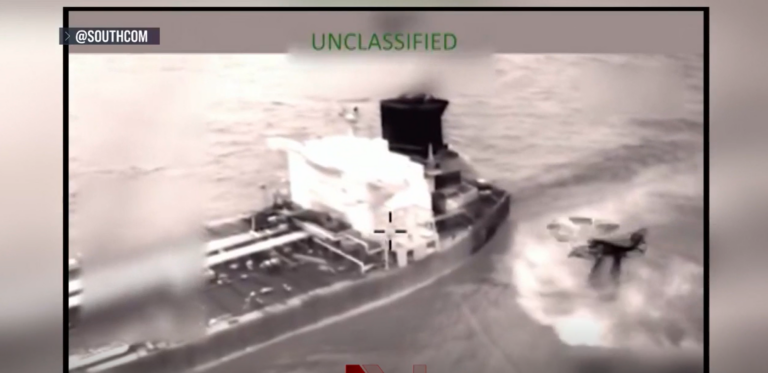
CARIBBEAN DRONE STRIKES CHAOS: When A “War on Drugs” Becomes A War on Logic
The Big Picture: Explosions, Economics, and Empty Victories
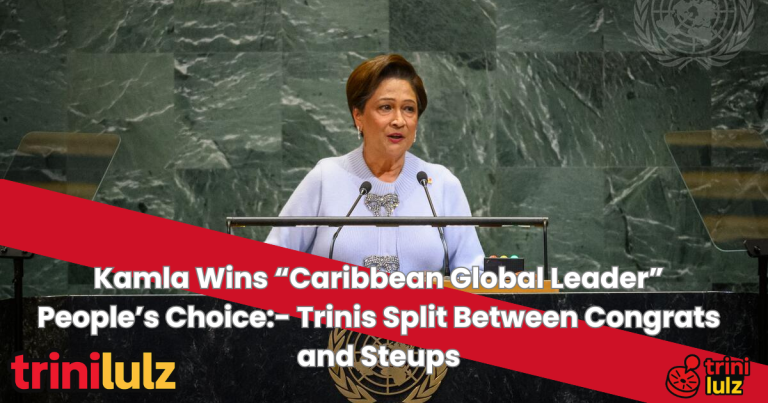
According to Prime Minister Kamla Persad-Bissessar, the recent Caribbean drone strikes are working.
How does she know? Because, she claims, national intelligence has confirmed that the price of cocaine has risen by 55%, and marijuana by 33% — proof, she says, that supply chains are finally cracking.
But if sixty-five people are dead, U.S. warships are anchored in our waters, and drones are blowing up boats, the “victory” seems oddly priced. Cocaine didn’t even double in cost — and weed barely beats inflation.
To put that in perspective, beer prices in Trinidad have gone up almost 100%. Meaning cocaine and ganja have actually inflated less than Carib and Stag.
“If these are the economic returns from blowing up drug boats, then it proves the cartels are hiring better economists than the Ministry of Finance.”
So yes, the Caribbean drone strikes are creating some kind of impact — just not the kind worth celebrating.
The Prime Minister’s Math
Persad-Bissessar’s argument rests on “market signals.” According to her, the Caribbean drone strikes have squeezed the flow of narcotics into Trinidad and Tobago, which is why cocaine and marijuana cost more.
She says agencies like the Strategic Services Agency and Special Branch have verified the trend, declaring it a sign of success.
But as every economics student knows: price shifts don’t always equal reduced supply. They could mean panic buying, hoarding, or dealers passing risk costs to users.
See our earlier story → TT Budget 2026: Plenty Promises, No Money for Drones
Meanwhile in Washington: Trump’s Fentanyl Fantasy
Over in the U.S., President Trump insists these Caribbean drone strikes are about fentanyl.
The only problem? Fentanyl isn’t produced in Venezuela or shipped across Caribbean waters. It’s made in Mexico and trafficked by land into the U.S.
Yet Trump proudly declared:
“Every boat we destroy saves 25,000 lives. You see fentanyl all over the ocean.”
As journalist Jacob Sullum pointed out in Reason Magazine, the numbers don’t add up. Even if every boat carried 50 grams, that’s barely two ounces — not enough to “cover the ocean.”
So Kamla is celebrating modest cocaine price hikes. Trump is celebrating imaginary fentanyl spills. And between them both, the Caribbean becomes a floating theatre for bad math.
Whose War Is It Anyway?
The truth is simple: Port of Spain and Washington are not fighting the same war.
For Kamla’s government, the goal is to show action against cocaine and weed, the drugs visible in local communities — the kind smoked behind rum shops and glamorized in Ajala videos.
For Trump’s White House, Caribbean drone strikes are a political show for American voters terrified by fentanyl overdoses.
💬 Kamla’s message plays to a local crowd that still thinks ‘drugs’ means ganja or white powder — while Trump’s plays to small-town voters haunted by synthetic opioids.
Each is fighting for optics, not outcomes.
The Economic Reality Check
Let’s break it down:
– Cocaine +55%, Weed +33%, Beer +100%.
– Traffickers may simply be rerouting, not retreating.
– Price increases don’t confirm fewer addicts or fewer crimes.
As The Economist notes, these strikes risk “pushing trade deeper underground, rather than eliminating it.”
(source)
So while Persad-Bissessar calls it progress, what we may be seeing is just a shift in routes.
Sovereignty and Collateral Damage
Beyond the price tags and press conferences, there’s a deeper concern:
– At least 60 people are dead, including possible Trinidadian nationals.
– CARICOM leaders are uneasy about the U.S. acting without regional consent.
– International lawyers describe the operations as “extrajudicial kinetic strikes.”
💬 When sovereignty becomes a coordinate on a U.S. map, Caribbean nations lose more than just fishing boats.
The optics of cooperation come at the cost of control.
So… What’s the Endgame?
If success means temporary price hikes, then sure — mission accomplished.
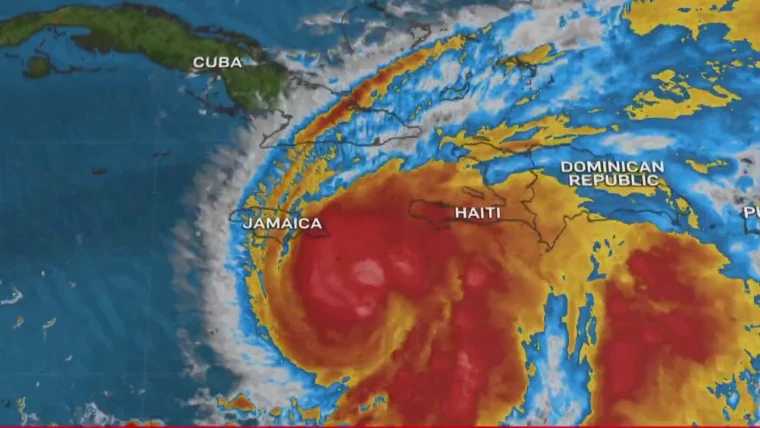
But if success means safer communities, less addiction, and genuine regional autonomy, then the Caribbean is still stuck in the same old storm — only now, with drones overhead.
Both Washington and Port of Spain are chasing headlines, not healing. And the Caribbean drone strikes, for all their drama, might be solving a problem that never truly existed in these waters.
What Happens Next
- Watch street prices in early 2026: do they stabilise or crash?
- Track whether drug shipments reroute via Guyana, Suriname, or West Africa.
- Demand transparency from the government on citizens killed.
- Insist on CARICOM oversight for all future strikes.
- And maybe, before declaring victory, figure out which drug war we’re actually fighting.
Because right now, the Caribbean drone strikes look less like a strategy — and more like a geopolitical talent show.
This story is part of our wider Caribbean Geopolitics & Global Affairs coverage. Explore the full hub for regional security updates, diplomacy, migration, energy politics, and deeper analysis of how global power plays shape Caribbean realities.